Key performance
Technical specifications
Engine
- Displacement
- 600 cc
- Power
- 78.0 ch @ 11500 tr/min (57.4 kW)
- Torque
- 51.7 Nm @ 10000 tr/min
- Engine type
- 4 cylindres en ligne, 4 temps
- Cooling
- liquide
- Compression ratio
- 12.2 : 1
- Bore × stroke
- 65.5 x 44.5 mm
- Valves/cylinder
- 4
- Camshafts
- 2 ACT
- Fuel system
- Injection
Chassis
- Frame
- en alu coulé sous pression
- Gearbox
- boîte à 6 rapports
- Final drive
- Chaîne
- Front suspension
- Fourche téléhydraulique Ø 43 mm, déb : 130 mm
- Rear suspension
- Mono-amortisseur, déb : 130 mm
Brakes
- Front brakes
- Freinage 2 disques Ø 298 mm, étrier 4 pistons
- Rear brakes
- Freinage 1 disque Ø 245 mm, étrier 2 pistons
- Front tyre
- 120/70-17
- Front tyre pressure
- 2.25 bar
- Rear tyre
- 180/55-17
- Rear tyre pressure
- 2.50 bar
Dimensions
- Seat height
- 795.00 mm
- Fuel capacity
- 19.40 L
- Weight
- 207.00 kg
- Dry weight
- 187.00 kg
- New price
- 6 390 €
Overview
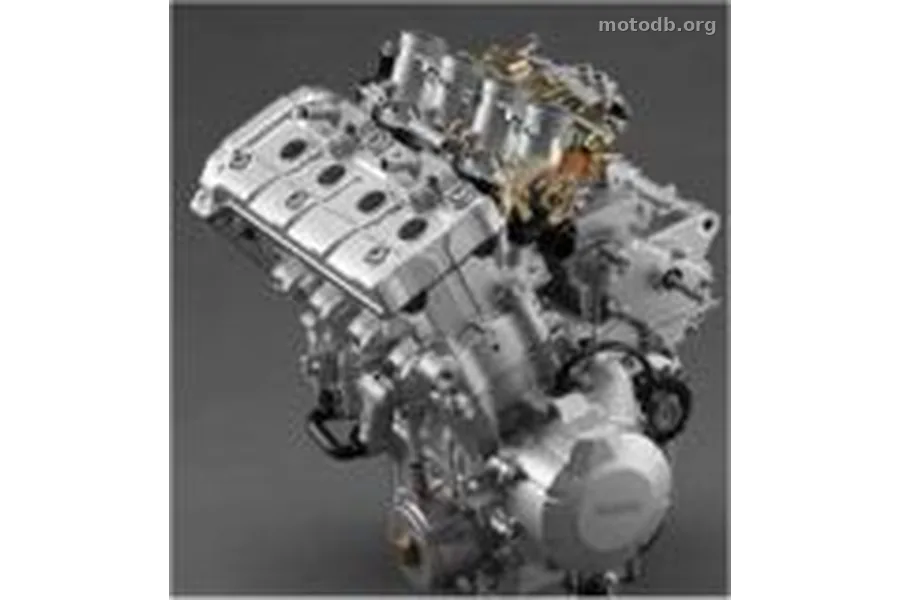
When Yamaha decides to go back to the drawing board, the engineers in Iwata don't do things by halves. The 2008 FZ6 600 Fazer arrives with a clear ambition: win over A2 license holders without sacrificing riding pleasure. The 599 cc inline four-cylinder is brought down to 78 hp at 11,500 rpm, compared to nearly 100 on the S2 version that remains in the lineup for experienced riders. Torque follows the same logic, with 51.7 Nm available at 10,000 rpm. On paper, the loss seems significant. On the road, it's a different story. Yamaha reworked the camshafts and intake ports to beef up response at low and mid-range rpm, where everyday riding really matters. The result is a bike that pulls with real conviction from 4,000 rpm without forcing you to constantly flirt with the redline. For those wondering about the price of a Yamaha FZ6 600 Fazer in France, this restricted version was listed at 6,390 euros — roughly a thousand euros less than its big sister. A compelling argument for a first "big" bike.
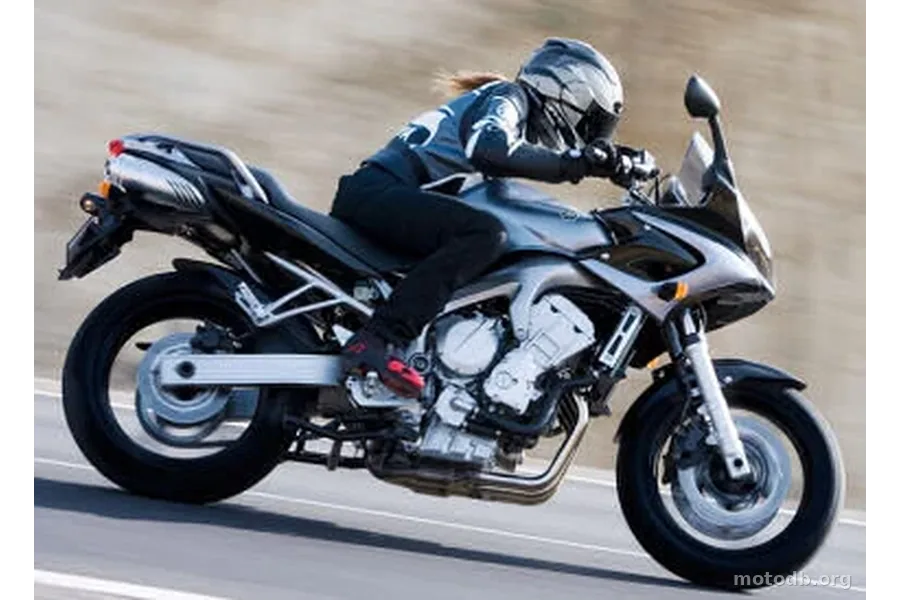
On the chassis side, the transformation is radical. The die-cast aluminum frame, with no welds, borrows manufacturing techniques from the brand's sportbikes. It delivers remarkable rigidity while allowing a sculptural design that gives the Fazer a presence well above its class. The swingarm gains 70 mm in length, the steering head angle drops to 25 degrees, and trail comes in at 97.5 mm. In practical terms: the bike tips into corners with disarming ease for its 207 kg wet weight. The 43 mm telescopic hydraulic fork, inherited from the 1000 Fazer, and the rear monoshock each offer 130 mm of travel. It's calibrated for mixed use, from city streets to back roads, without excessive sporting pretensions but with enough precision to tackle a mountain pass without second thoughts.
The 180/55-17 rear tire raises an eyebrow. On a 78 hp machine topping out at 200 km/h, this width hampers turn-in agility without delivering any real traction benefit. It's an aesthetic choice more than a technical one, and a 160 would have been preferable, making the Fazer even more playful through tight sequences of corners. The braking setup doesn't disappoint: two 298 mm front discs gripped by four-piston calipers, and a 245 mm rear disc. It's enough to scrub speed progressively, though the lack of ABS stings when you consider that a Suzuki GSF 650 Bandit or Honda CBF 600 already offered this safety feature as an option.
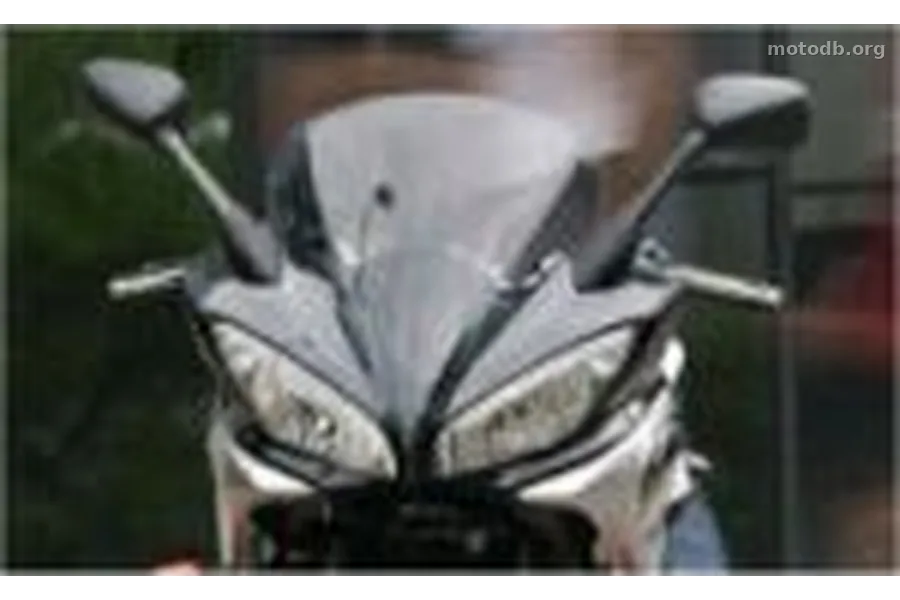
The styling deserves a closer look. The front fairing, inspired by the R1, provides decent wind protection and gives the machine a bold character. The catalytic exhaust tucked under the seat visually lightens the rear end and delivers a very clean profile. The downside: under-seat storage is reduced to the bare minimum. The fully digital dashboard replaces the old analog gauge and clearly displays all essential information. The 19.4-liter tank, smaller than the previous generation's, could limit range on long trips if fuel consumption doesn't fully benefit from the injection system. It's the only real drawback for those considering extended touring.
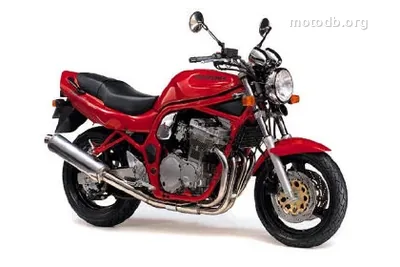
Against its direct competitors of the era, the FZ6 Fazer played its hand with one killer argument: versatility. Less roadster-oriented than the Bandit, less tame than the CBF, it occupied a perfect middle ground for the beginner rider who refuses to ride a boring motorcycle. With its 795 mm seat height, manageable weight, and civilized engine, it ticked every box for the ideal first inline four. A bike that knew how to make you forgive its rare shortcomings through an overall quality and riding enjoyment that many of its rivals could only envy.
Practical info
- Moto bridable à 34 ch pour l'ancien permis A MTT1 - pas garanti pour le permis A2
- La moto est accessible aux permis : A, A (MTT1)
Reviews & comments
No reviews yet. Be the first to share your opinion!