Key performance
Technical specifications
Engine
- Displacement
- 1164 cc
- Power
- 152.0 ch @ 9800 tr/min (111.8 kW)
- Torque
- 117.7 Nm @ 6000 tr/min
- Engine type
- 4 cylindres en ligne, 4 temps
- Cooling
- liquide
- Compression ratio
- 10.6 : 1
- Bore × stroke
- 79 x 59.4 mm
- Valves/cylinder
- 4
- Camshafts
- 2 ACT
Chassis
- Frame
- Double poutre périmétrique en aluminium
- Gearbox
- boîte à 6 rapports
- Final drive
- Chaîne
- Front suspension
- Fourche téléhydraulique Ø 43 mm, déb : 120 mm
- Rear suspension
- Mono-amortisseur, déb : 120 mm
Brakes
- Front brakes
- Freinage 2 disques Ø 320 mm, étrier 4 pistons
- Rear brakes
- Freinage 1 disque Ø 250 mm, étrier 2 pistons
- Front tyre
- 120/70-17
- Front tyre pressure
- 2.90 bar
- Rear tyre
- 180/55-17
- Rear tyre pressure
- 2.90 bar
Dimensions
- Seat height
- 800.00 mm
- Fuel capacity
- 23.00 L
- Weight
- 280.00 kg
- Dry weight
- 236.00 kg
- New price
- 12 999 €
Overview
Can a legend age gracefully without betraying its origins? In 2004, Kawasaki took a gamble with the ZZ-R 1200, a machine seeking to modernize the DNA of the celebrated ZZR 1100 while embracing a new vocation. It’s far removed from the hard-core sportbike that made headlines in the 90s. Here, the look is softened, the imposing silhouette and rounded lines evoke a cool GT more than a track killer. With its 280 kg when fully fueled, it announces the color from the outset: no compromises are made with the size.
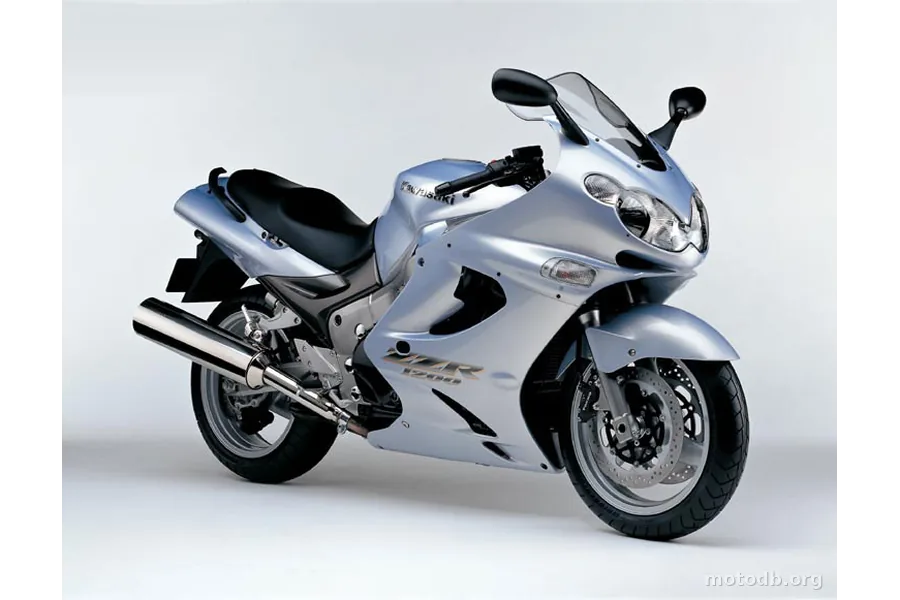
The heart of the beast remains a large carburetor-fed inline four-cylinder engine, boosted to 1164 cm3. It doesn't shine with technology, but with its authentic character and monstrous torque of nearly 12 mkg available from the mid-range. From 4500 to 8000 rpm, it pulls with disarming generosity, before unleashing its 152 horsepower in a raw and vibrant howl that grips you. This isn't the aseptic rumble of a modern sportbike; it's a choleric and carnal growl. The gearbox, a bit soft, doesn't rival the precision of more recent mechanics, but it gets the job done. This engine is clearly the strong point of the machine, a breath of retro air against the sometimes bland efficiency of current blocks.
Unfortunately, as soon as it comes to cornering, the charm erodes. The new frame and 43 mm fork allow for a smoother entry into curves than its predecessor, but the weight is cruelly felt. The suspensions lack stability as soon as the asphalt is not perfect, forcing the rider to a preventative and measured riding style. You have to bring it gently, let it take its bearings, and manage a somewhat imprecise throttle for those who want to play daredevils. It forgives few mistakes and demands a firm hand. Its element is the highway and large, stable curves, not nervous switchbacks. To its credit, the windscreen offers correct protection up to sustained speeds, making the ZZ-R a comfortable touring bike for long journeys.
But that’s perhaps where the problem lies. By wanting to position it as a sport-GT against competitors like the Honda CBR 1100 XX or the Suzuki GSX1300R Hayabusa, Kawasaki made compromises. The equipment is spartan: no dual partial on the dashboard, a manual reserve, and passenger accessories significantly reduced compared to the 1100. At nearly 13,000 euros at the time, it faced more accomplished and lighter machines.
So, who is this ZZ-R 1200 for? For the sentimental globetrotter, the one who seeks the raw sensations of a temperamental big engine and who accepts to deal with a heavy and demanding mechanics. It’s not a bike for beginners, nor for the track rider seeking precision. It's a charismatic oddity, a last gasp of an era gone by before the motorcycle world definitively tipped towards electronic fuel injection and weight reduction. It has something to offer, but you have to mill it the old-fashioned way.
Practical info
- La moto est accessible aux permis : A
Indicators & positioning
Similar bikes
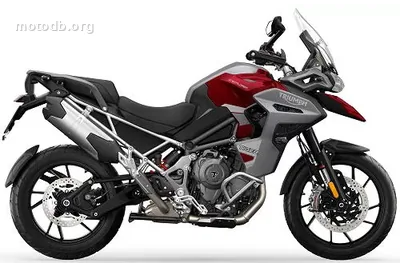
Tiger 1200 GT Explorer
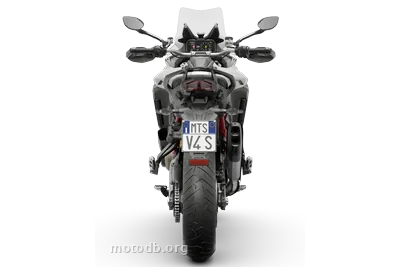
Multistrada V4 S
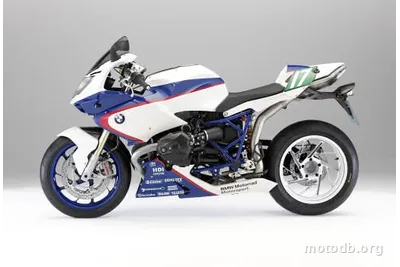
HP2 Sport 1200 Motorsport Replica
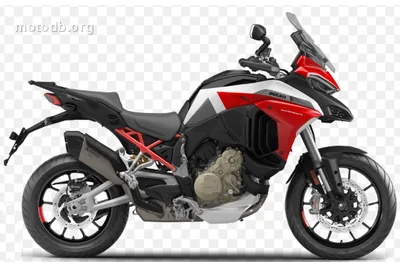
Multistrada V4 S Sport
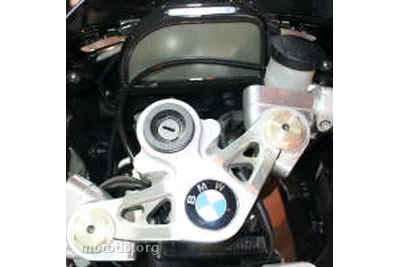
HP2 Sport 1200
Reviews & comments
No reviews yet. Be the first to share your opinion!