Key performance
Technical specifications
Engine
- Displacement
- 1170 cc
- Power
- 133.0 ch @ 8750 tr/min (97.8 kW)
- Torque
- 112.8 Nm @ 6000 tr/min
- Engine type
- Bicylindre à plat, 4 temps
- Cooling
- combiné air / huile
- Compression ratio
- 12.5:1
- Bore × stroke
- 101 x 73 mm
- Valves/cylinder
- 4
- Camshafts
- 2 ACT
- Fuel system
- Injection Ø 52 mm
Chassis
- Frame
- Treillis en acier, moteur porteur
- Gearbox
- boîte à 6 rapports
- Final drive
- Cardan
- Front suspension
- Fourche Telelever, déb : 105 mm
- Rear suspension
- Paralever monoamortisseur, déb : 120 mm
Brakes
- Front brakes
- Freinage 2 disques Ø 320 mm, fixation radiale, étrier 4 pistons
- Rear brakes
- Freinage 1 disque Ø 265 mm, étrier 2 pistons
- Front tyre
- 120/70-17
- Front tyre pressure
- 2.20 bar
- Rear tyre
- 190/55-17
- Rear tyre pressure
- 2.50 bar
Dimensions
- Seat height
- 830.00 mm
- Fuel capacity
- 16.00 L
- Weight
- 199.00 kg
- Dry weight
- 178.00 kg
- New price
- 21 520 €
Overview
When Munich decides to go all-in on the track, the result is a machine that has strictly nothing in common with the polished roadsters the brand lived off for so long. The BMW HP2 Sport 1200 was not born in an engineering department. It was born on the asphalt of Le Mans, Barcelona, Oschersleben, and the Bol d'Or, where the endurance prototype raced before dealers had even seen a price list. That detail says everything: for once, BMW reversed its usual logic. The production model followed the race, not the other way around.
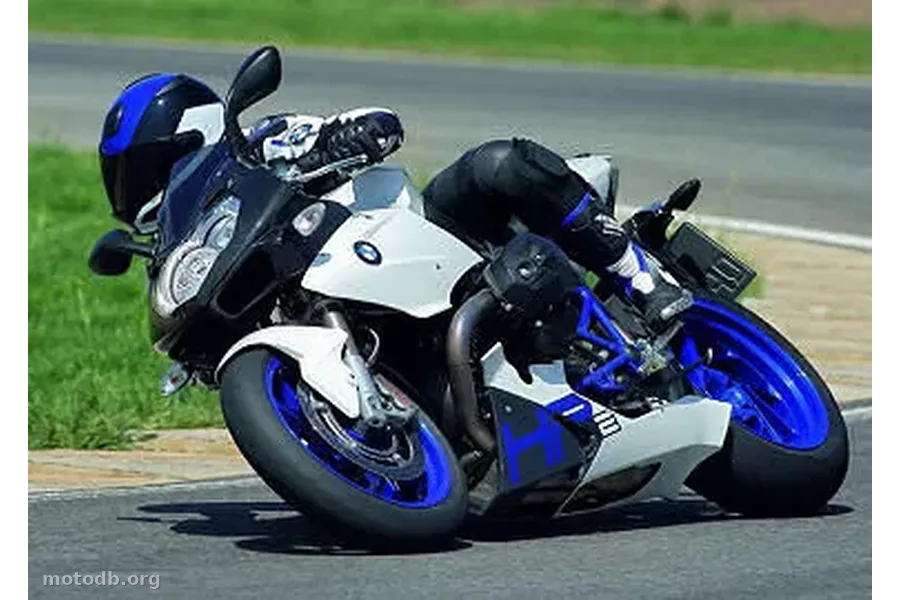
The 1170 cc boxer was reworked to the bone. The cylinder heads receive twin chain-driven overhead camshafts, lightened rocker arms, and four radially arranged valves per cylinder. The result: maximum revs climb by 700 rpm compared to the R 1200 S, compression ratio reaches 12.5:1, and power stands at 133 horsepower at 8,750 rpm with 112.8 Nm of torque at 6,000 rpm. The intake ports were machined, the valves enlarged, and the second spark plug found on R-series models was eliminated, rendered unnecessary by the compact combustion chambers. This engine revs high, very high for a flat-twin, and does so with a mechanical coherence that commands respect. Shaft drive and a six-speed gearbox with closely stacked ratios complete the package, with a quickshifter fitted as standard — a first at the time on a production motorcycle. Clutchless upshifts had until then been reserved for Grand Prix machinery. BMW put this device in the hands of any buyer with €21,520 to spend.
The frame retains the steel trellis with load-bearing engine, but revised for sporting purposes. The Telelever fork and Paralever swingarm are fitted with fully adjustable Öhlins units, front travel reaching 105 mm, rear 120 mm. A dry weight of 178 kg — 199 kg fully fuelled — places this German machine in the same bracket as its Japanese rivals, a feat achieved through a carbon fibre fairing, a one-piece self-supporting rear shell, and lightened forged wheels. The exhaust runs under the engine to aid cornering clearance, an exhaust valve bolsters the torque curve at mid-range, and the widened air intakes improve cooling for both oil radiators. Everything, absolutely everything, was weighed, considered, and justified.
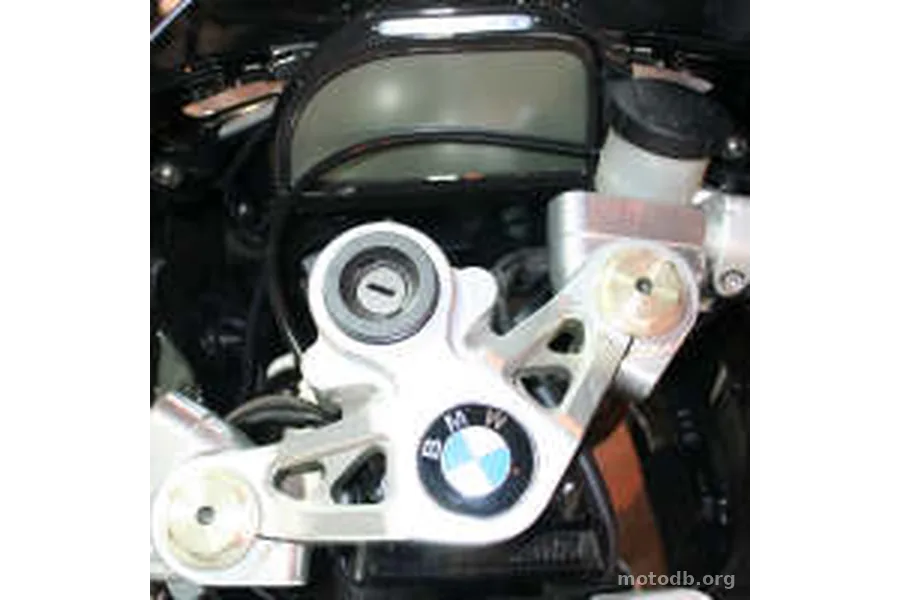
The riding position does not disappoint. The clip-on handlebars are machined from solid aluminium and adjustable on the vertical axis. The Magura radial master-cylinder levers adjust for reach. The footpegs are adjustable via eccentric mounts. The instrument cluster, developed with 2D Systems — a regular supplier to GP teams — switches between a standard road mode and a racing mode displaying lap times, top speed, and gear changes. Eight LEDs at the top of the screen serve as shift lights. A GPS lap timer and data logger can be connected. Seat height is 830 mm, suitable for a rider of average stature but likely to deter shorter builds.
Let us be clear about the positioning: the BMW HP2 Sport 1200 makes no claim to beating a GSX-R 1000 or an R1 on a flying lap. That is not its purpose. This boxer remains a boxer, with its distinctive character, its generous low-end torque, and a rev climb that asks to be worked at. What BMW succeeded in doing is offering the wealthy enthusiast a machine directly derived from endurance racing, usable on track without further preparation, and reliable by nature — since endurance racing demands precisely that quality. The target audience is clearly defined: the experienced rider, comfortable on circuit, who wants something unique and refuses to follow the well-worn path of Japanese or Italian sportsbikes. For that specific profile, it was hard to find anything better at the time. The steep price tag is explained, even if it requires no apology.
Standard equipment
- Assistance au freinage : ABS déconnectable sur demande
Practical info
- La moto est accessible aux permis : A
Indicators & positioning
Similar bikes
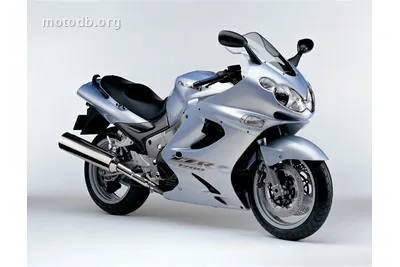
ZZ-R 1200
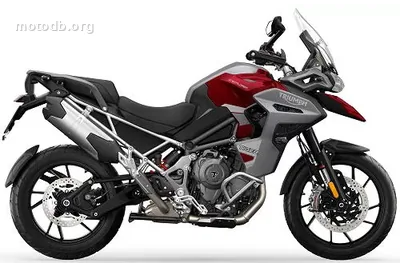
Tiger 1200 GT Explorer
Multistrada V4 1160
Multistrada V4 1160 Pikes Peak
Multistrada V4
Reviews & comments
No reviews yet. Be the first to share your opinion!