Key performance
Technical specifications
Engine
- Displacement
- 738 cc
- Power
- 76.0 ch @ 9500 tr/min (55.5 kW)
- Torque
- 63.0 Nm @ 7500 tr/min
- Engine type
- In-line four, four-stroke
- Cooling
- Air
- Compression ratio
- 9.5 : 1
- Bore × stroke
- 66 x 54 mm
- Valves/cylinder
- 2
- Camshafts
- 2 ACT
- Starter
- Electric
Chassis
- Frame
- Double berceau en tubes d’acier
- Gearbox
- 5-speed
- Final drive
- Chain (final drive)
- Front suspension
- Fourche téléhydraulique Ø 41 mm, déb : 130 mm
- Rear suspension
- Mono-amortisseur, déb : 130 mm
Brakes
- Front brakes
- Dual disc
- Rear brakes
- Single disc
- Front tyre
- 120/70-17
- Front tyre pressure
- 2.50 bar
- Rear tyre
- 160/60-17
- Rear tyre pressure
- 2.50 bar
Dimensions
- Seat height
- 815.00 mm
- Fuel capacity
- 22.00 L
- Weight
- 220.00 kg
- Dry weight
- 202.00 kg
- New price
- 6 097 €
Overview
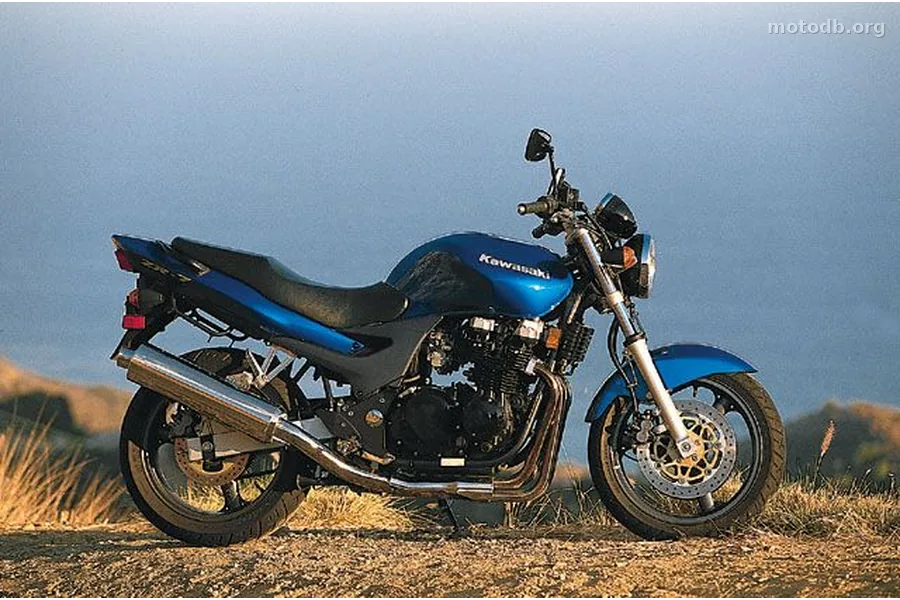
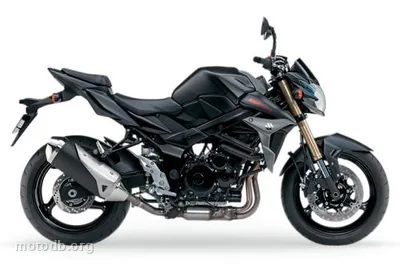
At the dawn of the 2000s, Kawasaki needed to replace its Zephyr without betraying the spirit of its affordable roadsters. The answer was this ZR-7, a model that marked its time and remains today a frequent subject of research for enthusiasts of used Kawasaki ZR-7. With its 738 cm3 inline four-cylinder engine, it positioned itself intelligently between the ER-5, which was too tame, and the ZRX, which was too thirsty, directly targeting the Suzuki Bandit or Yamaha Fazer. Its technical specifications reveal a pragmatic approach: 76 horsepower at 9500 rpm, a torque of 63 Nm, and a wet weight of 220 kg. These figures do not intimidate the competition, but they define a character.
The engine is the major asset of this Kawasaki ZR 7. With only two valves per cylinder and a generous bore, it draws its roots from older mechanics, which gives it a generation of torque immediately perceptible in the mid-range. Compared to the four-valve engines of the Hornet or Fazer, it is less lively at the top of the tachometer, but more meaty as soon as you twist the throttle. This suppleness makes the machine particularly well-suited to the city or winding roads, where you do not need to constantly juggle with the gear selector. The K-TRIC optimized ignition system contributes to this feeling of ease. For a rider looking for a simple and efficient motorcycle, without the complexity of a hyper-tuned engine, this block is a real success.
The chassis, with its steel double cradle and 41 mm fork, follows the same philosophy: robust and honest. The ZR-7 is agile, its front end precise, and it launches into turns with a frank willingness. However, with 220 kg fully fueled, it is not a featherweight, and its steering angle limited by the footrests quickly reminds you that you are not on a sportbike. On damaged roads, the rear may show some signs of nervousness, but the brakes, progressive and sufficiently powerful, allow you to maintain control without drama. It is a machine that encourages serenity rather than frontal attack.
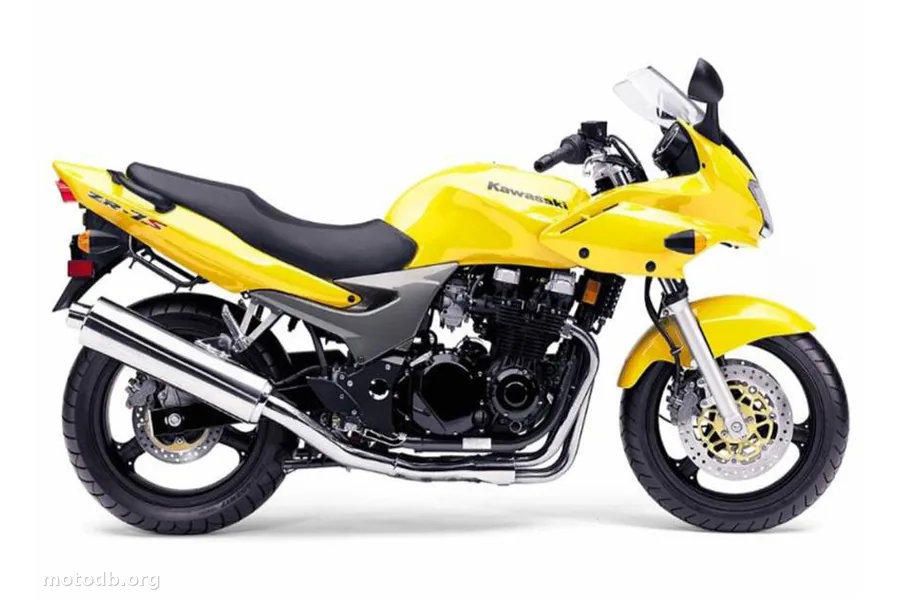
In everyday use, the Kawasaki ZR-7 2000 seduces with its ergonomics. The 815 mm seat is accessible, the slightly forward-leaning riding position is natural, and the 22-liter tank promises correct ranges. The standard version offers amenities such as under-seat storage and hooks, but some will regret the absence of chain adjustment by eccentric, a small technical detail that had its charm. For those considering longer trips, the S version with its full fairing was a relevant option. Today, finding a Kawasaki ZR-7 2003 or 2004 in good condition represents an opportunity for a novice wanting a first large displacement motorcycle, or for a traveler seeking a solid and modifiable base, especially for Kawasaki ZR-7 cafe racer projects.
Ultimately, the ZR-7 was not the most spectacular motorcycle of its generation, but it fulfilled its contract with remarkable integrity. It offered a credible alternative to the Bandit and Fazer, with a more characterful engine and engaging handling. Its original price, around 6000 euros, and its reliability ensured it a place in many garages. For a rider who prioritizes pure sensation, mechanical simplicity, and hassle-free use, this Kawasaki remains an excellent proposition, especially when you can now download the Kawasaki ZR-7 technical manual for free to understand all its secrets.
Practical info
- La moto est accessible aux permis : A
Reviews & comments
No reviews yet. Be the first to share your opinion!