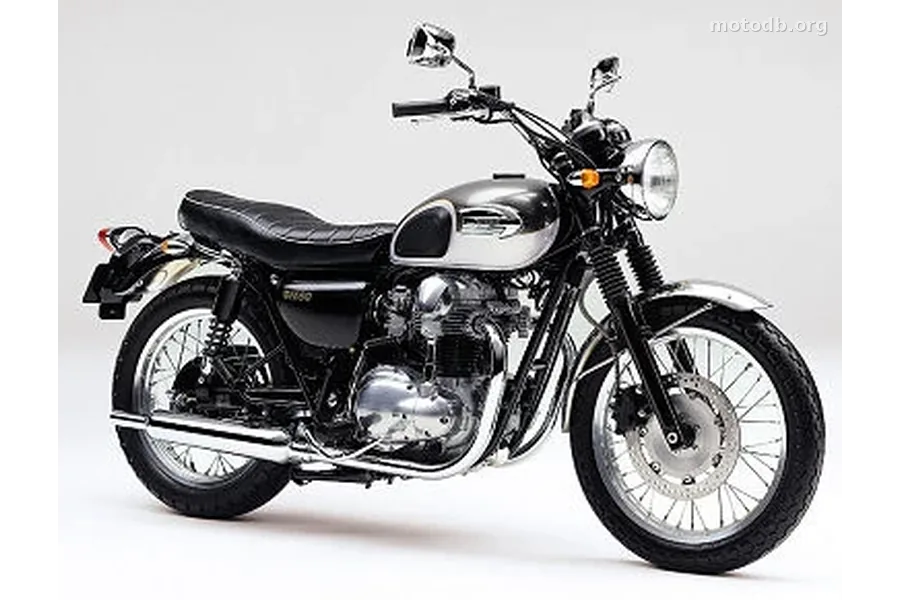
Key performance
Technical specifications
Engine
- Displacement
- 675 cc
- Power
- 50.0 ch @ 7000 tr/min (36.5 kW)
- Torque
- 56.0 Nm @ 5500 tr/min
- Engine type
- Twin, four-stroke
- Cooling
- Air
- Compression ratio
- 8.7:1
- Bore × stroke
- 72 x 83 mm
- Valves/cylinder
- 4
- Camshafts
- 1 ACT
- Valve timing
- Single Overhead Cams (SOHC)
Chassis
- Frame
- Double berceau acier
- Gearbox
- 5-speed
- Final drive
- Chaîne
- Front suspension
- Fourche téléhydraulique, déb : 130 mm
- Rear suspension
- 2 amortisseurs latéraux, déb : 105 mm
Brakes
- Front brakes
- Freinage 1 disque Ø 300 mm, étrier 2 pistons
- Rear brakes
- Freinage tambour Ø 160 mm
- Front tyre
- 100/90-19
- Front tyre pressure
- 2.00 bar
- Rear tyre
- 130/80-18
- Rear tyre pressure
- 2.25 bar
Dimensions
- Seat height
- 800.00 mm
- Fuel capacity
- 15.00 L
- Weight
- 215.00 kg
- Dry weight
- 195.00 kg
- New price
- 6 999 €
Overview
Who still remembers a time when riding a motorcycle meant authenticity, when the pleasure came as much from gazing at the machine standing still as from the miles devoured? The Kawasaki W 650 was born from that very nostalgia. The nostalgia of British twins from the sixties, of Triumph Bonnevilles and Norton Commandos that spat their character onto London tarmac. Except that Kawasaki, ever the meticulous Japanese engineer, wanted to deliver the charm without the hassle. And the bet paid off handsomely.
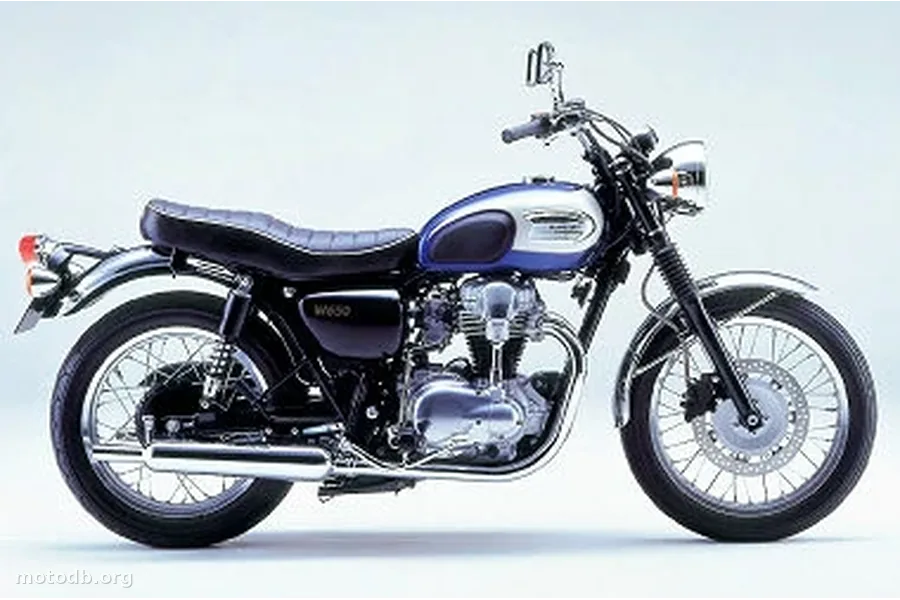
Beneath its gleaming chrome and generous curves, the Kawasaki W 650 hides a 675 cc parallel twin with a 360-degree firing order, featuring a 72 mm bore and an 83 mm stroke. A long-stroke engine, then, that favours low-end torque over outright power. The 50 horsepower delivered at 7,000 rpm won't make anyone tremble on paper, but the 56 Nm of torque available from just 5,500 rpm tells a different story. The story of a smooth, creamy twin that pulls from idle and couldn't care less about which gear you're in. The Kawasaki W 650 classic is not a sportbike and makes no claim to be one. Its top speed caps out at 170 km/h, more than enough for relaxed road riding.
The steel double-cradle frame is conventional in design, but it does the job with honesty. The telehydraulic fork offers 130 mm of travel up front, while the twin rear shocks make do with 105 mm at the back. Nothing sophisticated, but the package delivers a sound and predictable ride. The 215 kg wet weight is easily forgotten around town thanks to a low 800 mm seat height and a well-placed centre of gravity. Braking remains the weak point: a single 300 mm disc with a two-piston caliper up front and a 160 mm drum at the rear. For easy-going use, it gets the job done. For hard braking on a mountain descent, you'll want to plan ahead. The 100/90-19 and 130/80-18 tyres confirm the machine's touring and retro vocation.
Let's talk about what truly makes the difference. The Kawasaki W 650 is aimed first and foremost at lovers of beautiful machines who put passion before performance. At the nostalgic souls, at those seeking a reliable and easy-to-handle bike. With its 15-litre tank and reasonable fuel consumption, it devours Sunday back roads without batting an eye. New in 2004, it was priced at 6,999 euros. Today, a used Kawasaki W 650 trades for around 3,990 euros depending on condition and mileage, making it a very accessible entry point into the retro universe. The Kawasaki W 650's market value remains stable, proof that the model ages well and keeps its admirers. On the reliability front, reported issues are rare and mostly concern routine maintenance: battery, chain, and spare parts that are easy to source. The technical inspection holds no nasty surprises.
Up against the Triumph Bonneville T100 of the same era, more powerful but also more expensive, the W 650 plays the card of mechanical simplicity and an affordable price tag. It lends itself willingly to cafe racer or scrambler conversions, thanks to a straightforward architecture and a robust engine. If you're looking for a convincing test ride of the Kawasaki W 650, simply ask yourself this: do you want to ride fast, or ride with a smile? The answer will tell you whether this Japanese machine with a British soul is made for you.
Practical info
- La moto est accessible aux permis : A
Indicators & positioning
Similar bikes
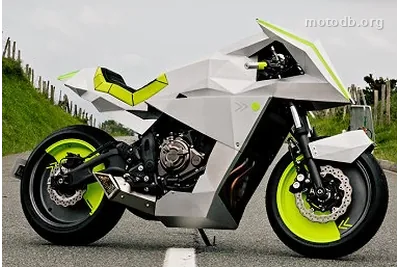
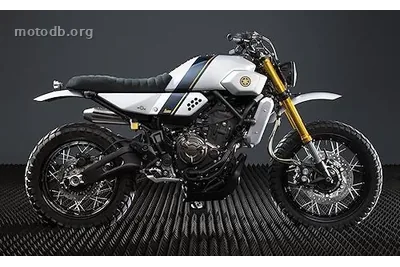
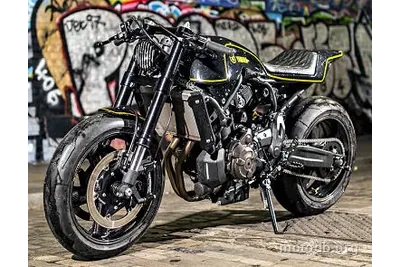
XSR 700 Yard Built - Bunker Custom Motorcycles -
Reviews & comments
No reviews yet. Be the first to share your opinion!