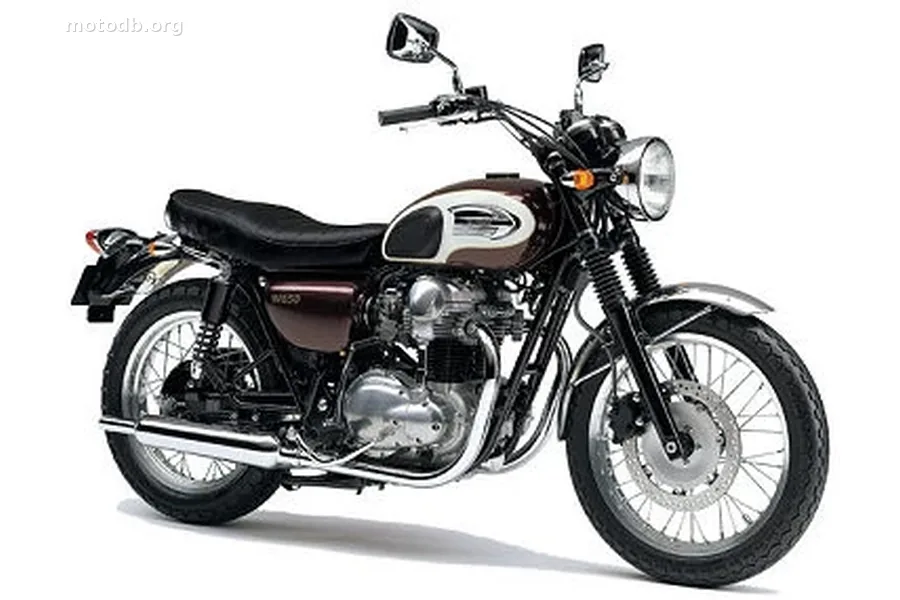
Key performance
Technical specifications
Engine
- Displacement
- 676 cc
- Power
- 50.0 ch @ 7000 tr/min (36.5 kW)
- Torque
- 56.0 Nm @ 5500 tr/min
- Engine type
- Twin, four-stroke
- Cooling
- Air
- Compression ratio
- 8.7:1
- Bore × stroke
- 72 x 83 mm
- Valves/cylinder
- 4
- Camshafts
- 1 ACT
Chassis
- Frame
- Double berceau acier
- Gearbox
- 5-speed
- Final drive
- Chaîne
- Front suspension
- Fourche téléhydraulique, déb : 130 mm
- Rear suspension
- 2 amortisseurs latéraux, déb : 105 mm
Brakes
- Front brakes
- Single disc
- Rear brakes
- Expanding brake
- Front tyre
- 100/90-19
- Front tyre pressure
- 2.00 bar
- Rear tyre
- 130/80-18
- Rear tyre pressure
- 2.25 bar
Dimensions
- Seat height
- 800.00 mm
- Fuel capacity
- 15.00 L
- Weight
- 215.00 kg
- Dry weight
- 195.00 kg
- New price
- 6 999 €
Overview
Who still remembers the days when British twins laid down the law on European tarmac? Norton, Triumph, BSA: these names echoed through the smoky pubs of Soho and across the car park of the Ace Café, where leather-clad rockers sized each other up before unleashing their machines onto the North Circular. The Kawasaki W 650 was born from that very nostalgia, from a deep desire to recapture the soul of the sixties without suffering its whims. And on that front, the Kawasaki W 650 plays a singular tune: that of a Japanese classic fully embracing its English heritage.
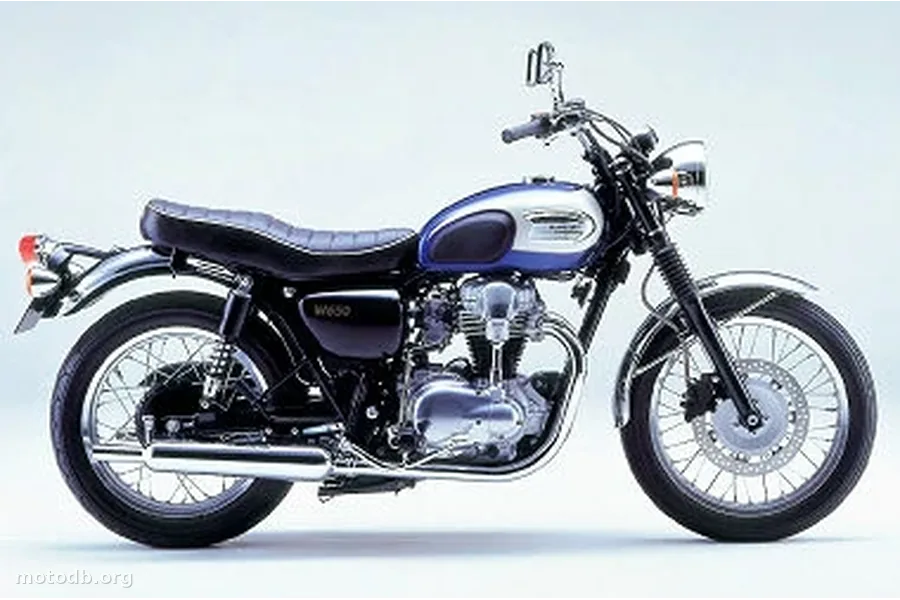
Beneath the generously shaped tank, the 676 cc vertical twin develops 50 horsepower at 7,000 rpm with 56 Nm of torque available from just 5,500 rpm. Modest figures on paper, almost laughable next to a Triumph Bonneville T100 or a Ducati GT 1000. But the Kawasaki W 650's spec sheet only tells part of the story. This four-valve-per-cylinder parallel twin, with its 72 mm bore and 83 mm stroke, favours flexibility over fury. The compression ratio held at 8.7:1 confirms the philosophy: this isn't about chasing raw performance, it's about cultivating the pleasure of riding. The five-speed gearbox is more than enough to carry the 215 kg wet weight to a top speed of 170 km/h — one you'll rarely reach, since the W 650 invites leisurely cruising rather than racing.
The steel double-cradle frame, telehydraulic fork offering 130 mm of travel, and twin rear shock absorbers with 105 mm of travel make up a classic package, pitch-perfect in its execution. The braking, however, deserves discussion: a single front disc and a rear drum were already marginal in 2000, and even more so today. On twisty roads, the lack of bite becomes apparent, especially when the weight comes into play. The 100/90-19 front and 130/80-18 rear tyres contribute to the retro look but limit options for sportier rubber. For anyone considering a Kawasaki W 650 cafe racer or scrambler conversion, a serious brake upgrade should be factored in.
Pleasant to look at and beautifully finished with its gleaming chrome, the W 650 is aimed above all at lovers of fine machinery who put passion before lap times. Offered new at 6,999 euros at launch, it now represents excellent value on the used market. A used Kawasaki W 650 can regularly be found between 3,000 and 5,000 euros depending on condition and model year. The reliability of the Kawasaki engine is reassuring: few major issues reported, straightforward maintenance, and spare parts still available. Reviews of the Kawasaki W 650 consistently agree on this point: it's an endearing machine, easy to get to grips with thanks to its low 800 mm seat height and docile character. The 15-litre tank provides decent range for stress-free Sunday rides.
The W 650 never claimed to rival sportbikes or even the muscular roadsters of its era. It occupies a niche all its own — that of the honest classic, free of electronic gimmickry or overblown pretension. Against the Bonneville, it counters with impeccable Japanese reliability. Against customs, it boasts a purity of line that many envy. For the urban rider who wants character without mechanical headaches, for the nostalgic devotee of vertical twins, or simply for anyone seeking a solid base for customisation, the Kawasaki W 650 remains a safe bet on the classic market. Twenty-five years after its release, it hasn't aged a day.
Practical info
- La moto est accessible aux permis : A
Indicators & positioning
Similar bikes
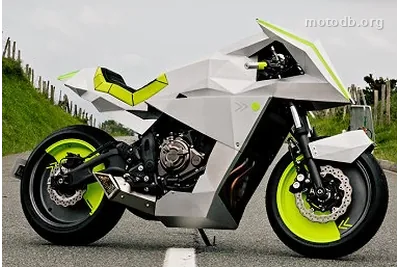
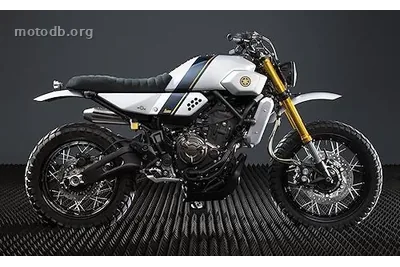
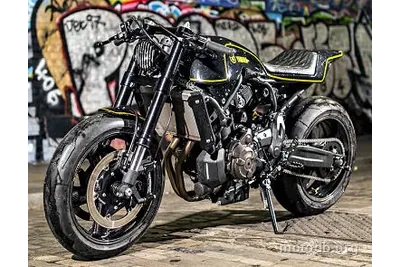
XSR 700 Yard Built - Bunker Custom Motorcycles -
Reviews & comments
No reviews yet. Be the first to share your opinion!