Key performance
Technical specifications
Engine
- Displacement
- 676 cc
- Power
- 50.0 ch @ 7000 tr/min (36.5 kW)
- Torque
- 56.0 Nm @ 5500 tr/min
- Engine type
- Twin, four-stroke
- Cooling
- Air
- Compression ratio
- 8.7:1
- Bore × stroke
- 72.0 x 83.0 mm (2.8 x 3.3 inches)
- Valves/cylinder
- 4
- Camshafts
- 1 ACT
- Fuel system
- Carburettor
Chassis
- Frame
- Double berceau acier
- Gearbox
- 5-speed
- Final drive
- Chain (final drive)
- Front suspension
- Fourche téléhydraulique, déb : 130 mm
- Rear suspension
- 2 amortisseurs latéraux, déb : 105 mm
- Front wheel travel
- 130 mm (5.1 inches)
- Rear wheel travel
- 85 mm (3.3 inches)
Brakes
- Front brakes
- Single disc
- Rear brakes
- Expanding brake
- Front tyre
- 100/90-H19
- Front tyre pressure
- 2.00 bar
- Rear tyre
- 130/80-H18
- Rear tyre pressure
- 2.25 bar
Dimensions
- Seat height
- 800.00 mm
- Wheelbase
- 1455.00 mm
- Fuel capacity
- 15.00 L
- Weight
- 215.00 kg
- Dry weight
- 196.00 kg
- New price
- 6 999 €
Overview
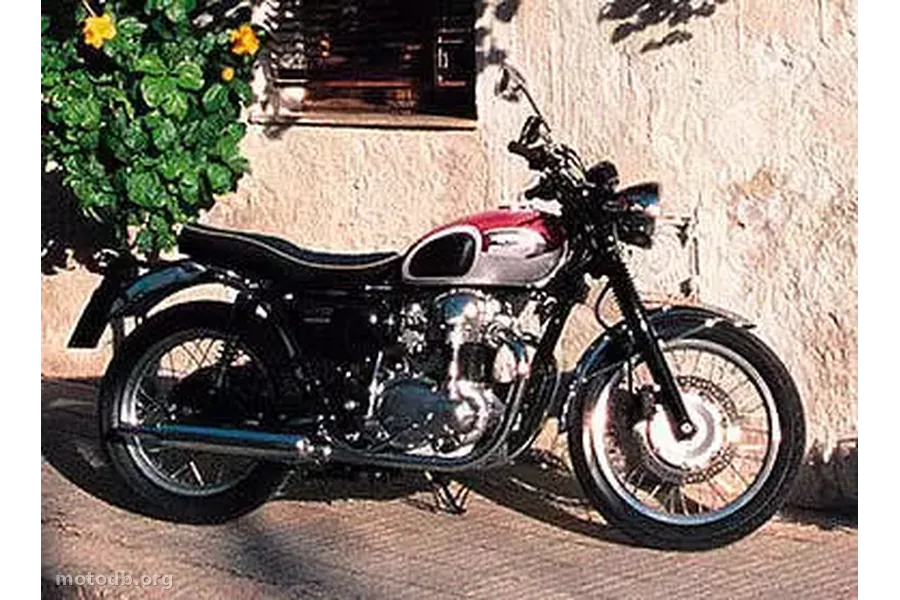
What drives a Japanese manufacturer, king of sportbikes and screaming four-cylinders, to design a motorcycle that smells of castor oil and 1960s London cafés? With the Kawasaki W 650, Akashi made a bold gamble: resurrect the spirit of British twins without inheriting their chronic breakdowns. And the result, marketed from 1999 and offered at 6,999 euros in 2001, is well worth a closer look.
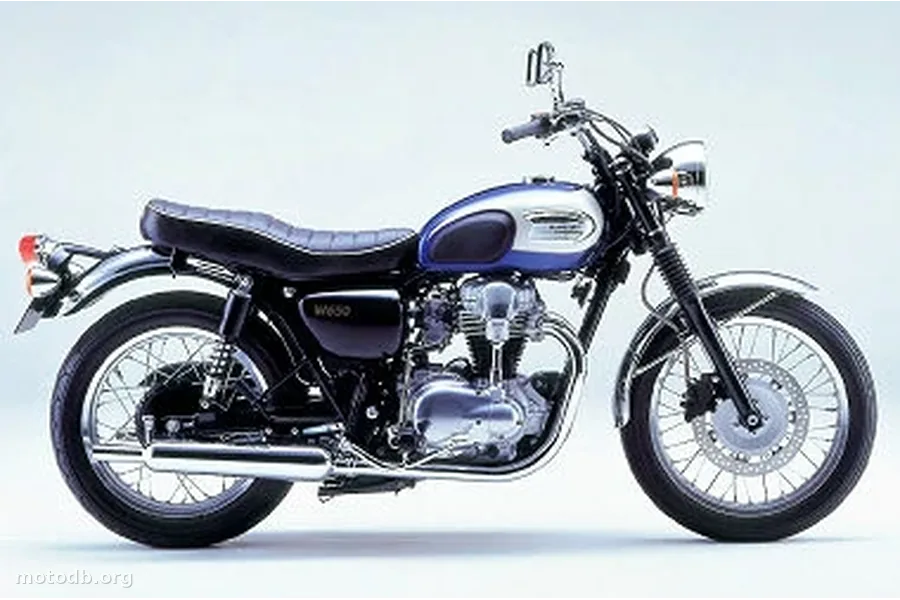
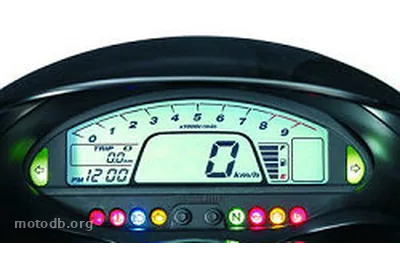
The 676 cc parallel twin, with a 360-degree firing order, produces 50 horsepower at 7,000 rpm and 56 Nm of torque available from 5,500 rpm. On paper, it's modest. On the road, it's a different story. This twin with four valves per cylinder, featuring a 72 mm bore and a long 83 mm stroke, favors character over outright power. It pulls low, smooth, with a deep exhaust note reminiscent of vintage Triumphs without ever vibrating like them. The five-speed gearbox gets the job done without any particular brilliance, but the chain drive remains smooth and predictable. You don't seek pure performance on this Kawasaki W 650 — you savor every kilometer at a human pace, even though the speedometer can climb to 178 km/h.
On the chassis side, the steel double-cradle frame wraps around the twin with understated classic simplicity. The telescopic hydraulic fork offers 130 mm of travel up front, while the twin rear shocks make do with 105 mm at the back. All told, the machine tips the scales at 215 kg wet with a 15-liter tank, which limits range on longer legs. The seat, set at 800 mm, remains accessible to most rider builds. Braking, however, is the most obvious weak point on the spec sheet: a single front disc and a rear drum brake. Compared to a Triumph Bonneville T100, which already offered dual discs, the Kawasaki W 650 classic shows its age in this department. The 19-inch front and 18-inch rear rims, fitted with 100/90 and 130/80 tires, contribute to the retro look but limit the choice of modern rubber.
What makes this machine truly special is its ability to seduce beyond the mere act of riding. Pleasant to look at, beautifully finished with gleaming chrome and generous curves, the Kawasaki W 650 is aimed first and foremost at lovers of fine machinery who put passion before performance. Nostalgia seekers find what they're looking for, as do those in search of a reliable and easy-to-handle machine. It appeals to beginners for its gentleness, to urban riders for its compact dimensions, and to inspired tinkerers who readily transform it into a café racer or scrambler with a few well-chosen modifications. Moreover, on the used market, the Kawasaki W 650 remains a safe bet: prices hover around 3,990 euros for a model in good condition, and values hold steady thanks to a mechanical reliability that commands respect. Spare parts can still be found without too much difficulty, and technical inspections generally reveal no major issues provided maintenance has been kept up.
The W 650 never claimed to rival the punchy roadsters or rugged adventure bikes of its era. It occupies a niche all its own — that of the pleasure motorcycle, the Sunday ride, the daily commute turned into a ritual. Kawasaki proved with this machine that you could build a sincere neo-retro without falling into caricature or sacrificing Japanese build quality. Twenty-five years on, opinions on the Kawasaki W 650 remain unanimous: it's a motorcycle that ages well, one that even improves with time. Not the fastest, not the best-braked, but one of those you keep in the garage for a long time. And that is priceless.
Practical info
- La moto est accessible aux permis : A
Indicators & positioning
Similar bikes
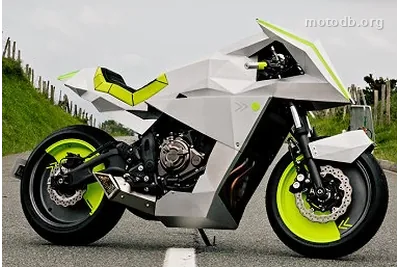
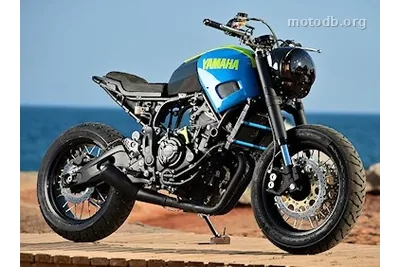
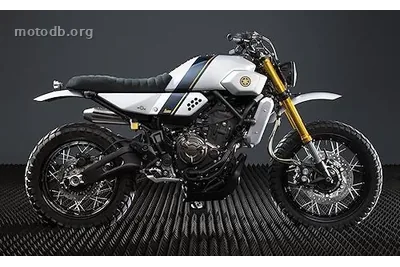
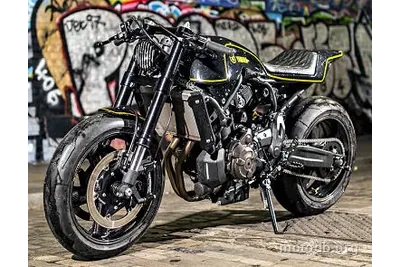
XSR 700 Yard Built - Bunker Custom Motorcycles -
Reviews & comments
No reviews yet. Be the first to share your opinion!