Key performance
Technical specifications
Engine
- Displacement
- 675 cc
- Power
- 50.0 ch @ 7000 tr/min (36.2 kW)
- Torque
- 56.0 Nm @ 5500 tr/min
- Engine type
- Twin, four-stroke
- Cooling
- par air
- Compression ratio
- 8.7:1
- Bore × stroke
- 72 x 83 mm
- Valves/cylinder
- 4
- Camshafts
- 1 ACT
- Valve timing
- Overhead Cams (OHC)
Chassis
- Frame
- Double berceau acier
- Gearbox
- boîte à 5 rapports
- Final drive
- Chaîne
- Front suspension
- Fourche téléhydraulique, déb : 130 mm
- Rear suspension
- 2 amortisseurs latéraux, déb : 105 mm
Brakes
- Front brakes
- Freinage 1 disque Ø 300 mm, étrier 2 pistons
- Rear brakes
- Freinage tambour Ø 160 mm
- Front tyre
- 100/90-19
- Front tyre pressure
- 2.00 bar
- Rear tyre
- 130/80-18
- Rear tyre pressure
- 2.25 bar
Dimensions
- Seat height
- 800.00 mm
- Wheelbase
- 1455.00 mm
- Fuel capacity
- 15.00 L
- Weight
- 215.00 kg
- Dry weight
- 195.00 kg
- New price
- 6 999 €
Overview
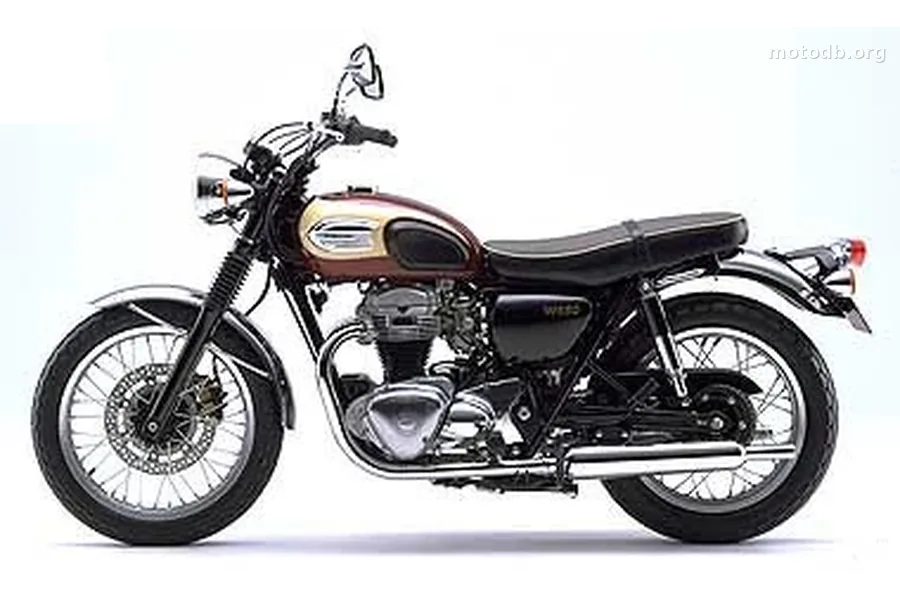
Who still remembers the days when riding a British twin meant as much joy on the road as misery at the back of the garage? The Nortons, the BSAs, the Triumphs of the sixties had that raw charm, that unshaven rock star swagger, but they'd leave you stranded by the roadside with disconcerting regularity. Kawasaki clearly learned the lesson well. With the W 650, the Akashi manufacturer set out to capture the essence of that golden era while injecting Japanese reliability into the mix. The gamble paid off, and the Kawasaki W 650 remains to this day an attractive proposition for anyone looking for something other than a horsepower race.
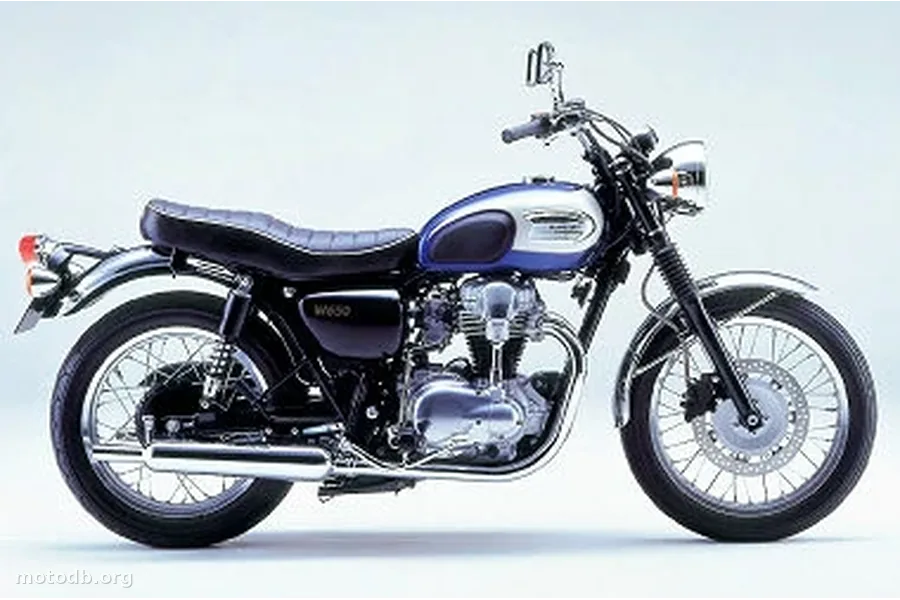
Beneath that refined retro bodywork lies a 675 cc parallel twin, with a 360-degree firing order, producing 50 horsepower at 7,000 rpm and 56 Nm of torque available from just 5,500 rpm. These figures are a far cry from a sportbike's, and that's precisely the point. This twin, with four valves per cylinder, a 72 mm bore and an 83 mm stroke, favors the low and mid range of the rev counter. It pulls long, it purrs, it accompanies the ride without ever being abrupt. The five-speed gearbox is more than enough to make the most of this placid temperament, and the claimed top speed of 170 km/h will never be the point anyway. You don't buy a Kawasaki W 650 classic to chase lap times.
On the chassis side, the steel double-cradle frame houses a telehydraulic fork offering 130 mm of travel up front and twin side-mounted shock absorbers with 105 mm at the rear. It's classic, consistent with the spirit of the machine. The braking, however, betrays its era of design: a single 300 mm disc up front with a two-piston caliper, and a 160 mm drum at the rear. Adequate for the bike's 215 kg wet weight, but you won't want to play hero on corner entry. The 100/90-19 front and 130/80-18 rear tires contribute to the decidedly old-school look. The seat, set at 800 mm, makes the machine accessible to most rider builds.
Compared to the Triumph Bonneville of the same era — its natural rival and acknowledged inspiration — the W 650 plays a different card. It's a few kilos lighter, a touch less powerful, but above all significantly cheaper. Priced new at 6,999 euros in 2003, it offered a formidable value-to-fun ratio. Today, a used Kawasaki W 650 can be found at very reasonable prices, often around 3,990 euros for a well-maintained example. It's on the second-hand market, in fact, that this bike truly comes into its own. Its simple and robust engine, with a modest 8.7:1 compression ratio, causes few day-to-day headaches. Kawasaki W 650 spare parts remain available without too much difficulty.
Pleasant to look at with its polished chrome and generous curves, the Kawasaki W 650 is aimed first and foremost at lovers of fine machinery who put the pleasure of riding ahead of outright performance. Nostalgia seekers will find what they're after, as will riders looking for a solid base for a café racer or scrambler project. The Kawasaki W 650 in café racer trim, as it happens, is one of the most successful conversions you'll come across at motorcycle gatherings. For a beginner with an A2 license after restriction, or a touring rider tired of clip-on handlebars, this machine offers a serene riding philosophy. It will never make the competition tremble on a dynamometer, but it knows how to remind you why you once wanted to swing a leg over a motorcycle in the first place: for the simple pleasure of riding, the wind in your face, and the sound of a well-tuned twin between your knees.
Practical info
- La moto est accessible aux permis : A
Indicators & positioning
Similar bikes
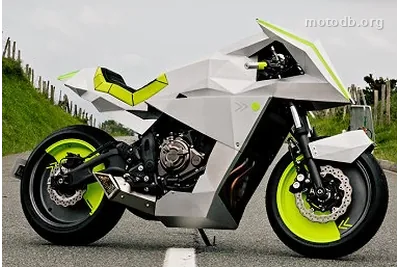
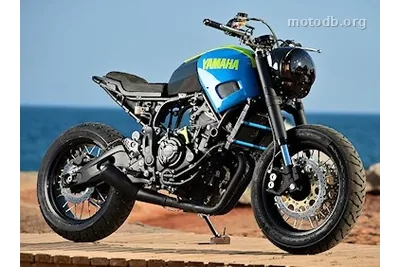
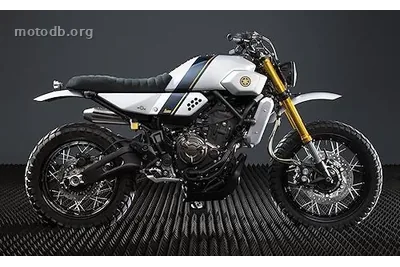
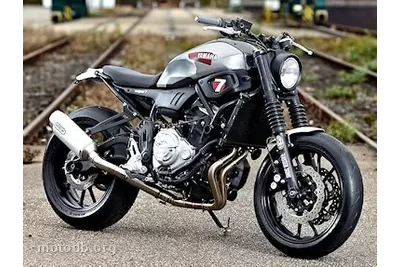
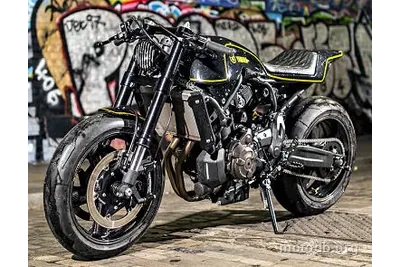
XSR 700 Yard Built - Bunker Custom Motorcycles -
Reviews & comments
No reviews yet. Be the first to share your opinion!