Key performance
Technical specifications
Engine
- Displacement
- 1203 cc
- Power
- 123.0 ch @ 7750 tr/min (90.5 kW)
- Torque
- 117.7 Nm @ 6000 tr/min
- Engine type
- Bicylindre en V à 60°, 4 temps
- Cooling
- liquide
- Compression ratio
- 12.5 : 1
- Bore × stroke
- 102 x 73.6 mm
- Valves/cylinder
- 4
- Camshafts
- 2 ACT
- Fuel system
- Injection Ø 60 mm
Chassis
- Frame
- cadre treillis tubulaire en acier
- Gearbox
- boîte à 6 rapports
- Final drive
- Chaîne
- Front suspension
- Fourche téléhydraulique inversée Öhlins Ø 43 mm, déb : 120 mm
- Rear suspension
- Mono-amortisseur Öhlins, déb : 120 mm
Brakes
- Front brakes
- Freinage 2 disques Brembo Ø 320 mm, fixation radiale, étrier 4 pistons
- Rear brakes
- Freinage 1 disque Ø 265 mm, étrier 2 pistons
- Front tyre
- 120/70-17
- Front tyre pressure
- 2.48 bar
- Rear tyre
- 180/55-17
- Rear tyre pressure
- 2.76 bar
Dimensions
- Seat height
- 780.00 mm
- Fuel capacity
- 13.00 L
- Weight
- 236.00 kg
- Dry weight
- 221.00 kg
- New price
- 18 990 €
Overview
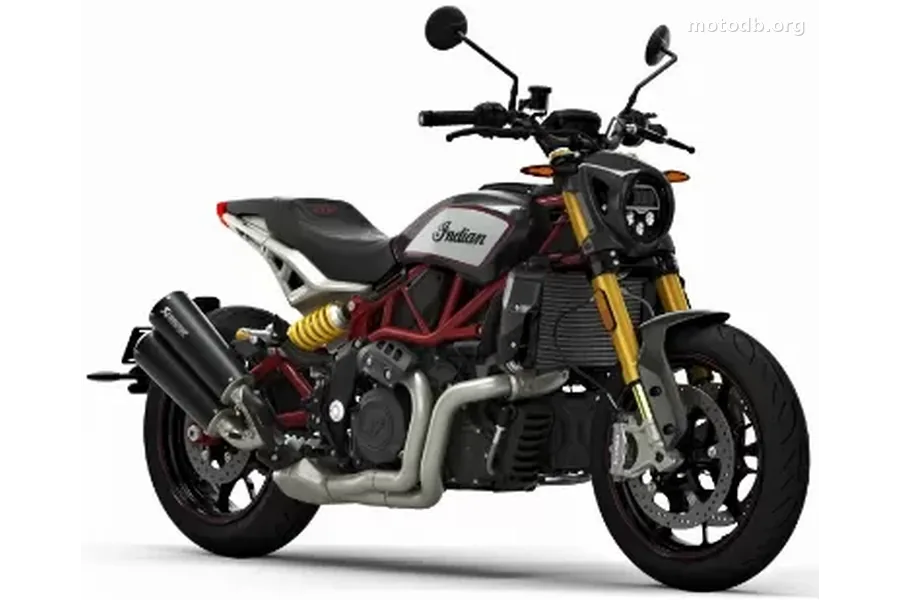
When Indian decides to play in the premium sportbike league, you get the FTR 1200 R Carbon 2024, a machine that borrows as much from flat track as it does from European streetfighters. You immediately think of what Ducati does with its Monster and Streetfighter lineups, and the comparison is far from trivial. Springfield clearly looked toward Bologna before designing this top-tier version of its FTR. The result is a motorcycle that flaunts its ambitions without hesitation, with a price tag of €18,990 that puts it up against formidable rivals.
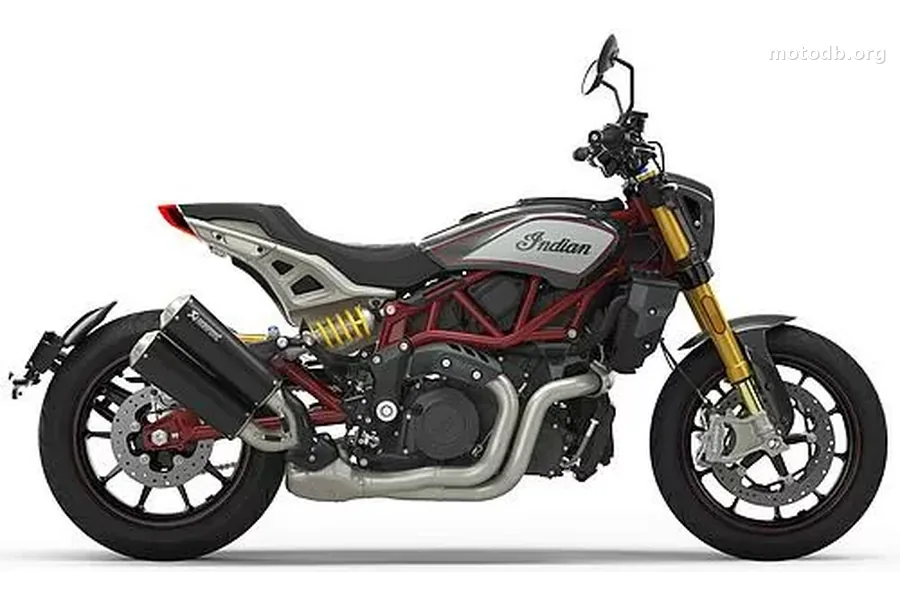
The main selling point of this R Carbon version is its chassis. The tubular steel trellis frame gets Öhlins suspension at both ends: a 43 mm inverted fork up front, a mono-shock at the rear, all with 120 mm of travel. That's 30 mm less than previous generations, a clear sign of a deliberate shift toward sharp road handling over comfort. All adjustments are accessible, making it a serious platform for anyone who wants to fine-tune their machine. Add a tighter rake angle, 17-inch wheels wrapped in Metzeler Sportec tires, and Brembo brakes with 320 mm radially-mounted discs, and you get a cohesive package. The 2023 model year also brought more bite to the braking and a revised clutch, two areas where earlier versions fell short.
Let's talk carbon, since the name demands it. The headlight nacelle, tank side scoops, and front fender are made from woven carbon fiber. It looks great, it adds perceived value, but the overall picture doesn't quite add up. The exhaust pipes, though redesigned, remain standard metal. The paradoxical result: the R Carbon tips the scales at 236 kg wet, two kilos more than the standard FTR. Two kilos less than the Sport, granted, but for a bike that carries "Carbon" in its name, you'd expect a more flattering number on the scales. The distinction also comes through white-stitched seat detailing and a sporty tank console. Enough to justify the €4,500 premium over the base model? That's the kind of question each buyer will have to settle based on their own sensitivity to prestige.
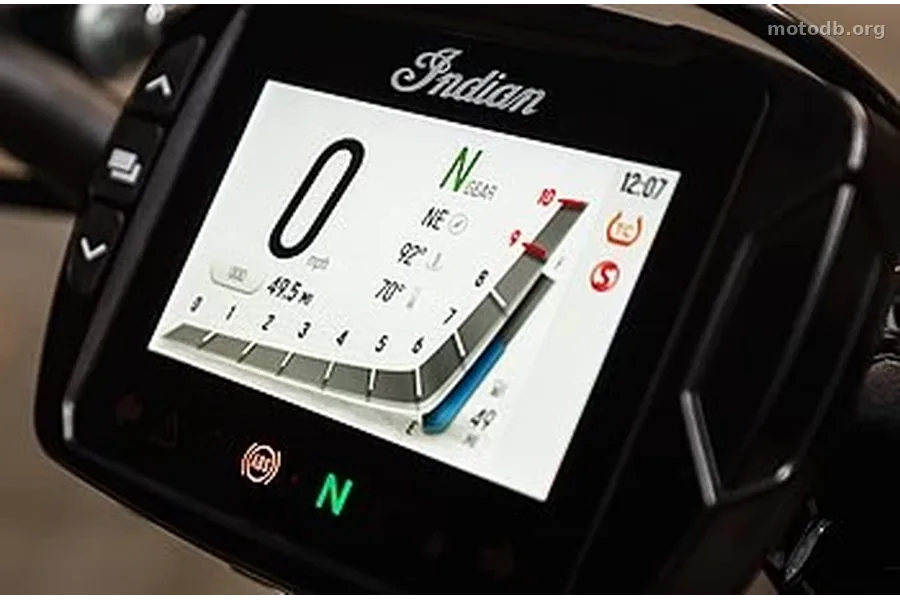
Beneath the 13-liter tank, the 60-degree V-twin displacing 1,203 cc produces 123 horsepower at 7,750 rpm and 117.7 Nm of torque at 6,000 rpm. A Euro5-compliant engine that has gained flexibility in the mid-range. A welcome detail: rear cylinder deactivation at idle keeps your thighs from roasting in traffic. The electronics keep pace with an IMU inertial measurement unit, three riding modes, traction control, cornering ABS, and anti-wheelie. The 4-inch touchscreen TFT display with Ride Command, Bluetooth, and cruise control round out a modern equipment list. A top speed of 230 km/h confirms this twin has punch, even if it can't match Japanese inline-fours at the top of the rev range.
The question of positioning remains. The Indian FTR 1200 R Carbon is neither a pure streetfighter, nor a flat tracker, nor really a classic roadster. It occupies a unique niche — that of a muscular American machine looking to win over riders who appreciate character without denying its heritage. Against a Ducati Monster SP or a Triumph Speed Triple, it offers a different temperament, smoother, more torque-oriented than revs. Its 780 mm seat height makes it accessible, and its overall footprint stays compact. For the rider seeking a distinctive machine with a genuine chassis who's willing to pay the badge premium, it's a credible proposition. As long as you don't look too closely at what the competition offers for the same money.
Standard equipment
- Assistance au freinage : ABS in curves
- Nombre de mode de conduite : 3
- Taille de l'écran TFT couleur : 10,16 cm / 4 pouces
- Régulateur de vitesse
- Bluetooth
- Prise USB
- Contrôle de traction
- Contrôle anti wheeling
Practical info
- La moto est accessible aux permis : A
Indicators & positioning
Similar bikes
XR 1200 Sportster
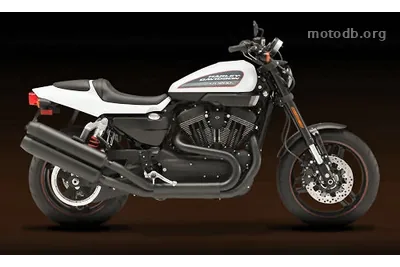
XR 1200 X Sportster
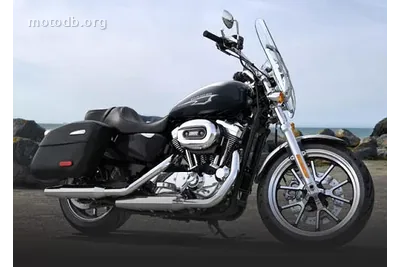
XL 1200 T Superlow
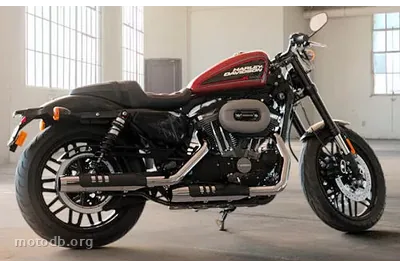
XL 1200 CX Sportster Roadster
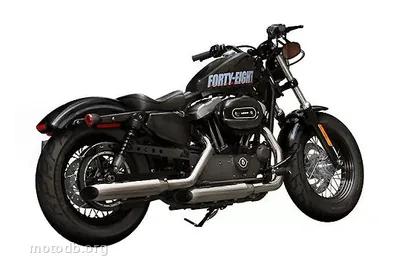
XL 1200 SPORTSTER Forty Eight
Reviews & comments
No reviews yet. Be the first to share your opinion!