Key performance
Technical specifications
Engine
- Displacement
- 999 cc
- Power
- 136.0 ch @ 9500 tr/min (100.0 kW)
- Torque
- 89.2 Nm @ 6000 tr/min
- Engine type
- Bicylindre en V, 4 temps
- Cooling
- liquide
- Compression ratio
- 10.8:1
- Bore × stroke
- 100 x 63.6 mm
- Valves/cylinder
- 4
- Camshafts
- 2 ACT
- Fuel system
- Injection
Chassis
- Frame
- Double poutre alu
- Gearbox
- boîte à 6 rapports
- Final drive
- Chaîne
- Front suspension
- Fourche téléhydraulique inversée , déb : 130 mm
- Rear suspension
- Mono-amortisseur, déb : 120 mm
Brakes
- Front brakes
- Freinage 2 disques Ø 320 mm, étrier 4 pistons
- Rear brakes
- Freinage 1 disque Ø 220 mm, étrier simple piston
- Front tyre
- 120/70-17
- Front tyre pressure
- 2.50 bar
- Rear tyre
- 190/50-17
- Rear tyre pressure
- 2.90 bar
Dimensions
- Seat height
- 813.00 mm
- Fuel capacity
- 18.00 L
- Dry weight
- 200.00 kg
- New price
- 15 245 €
Overview
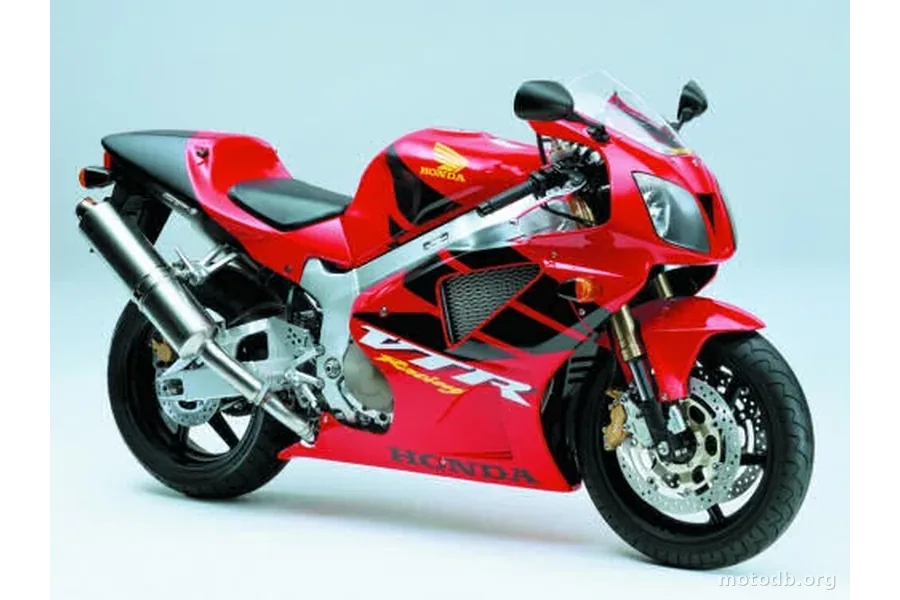
Motorcycle: Honda VTR SP-1 RC 51 (2000)
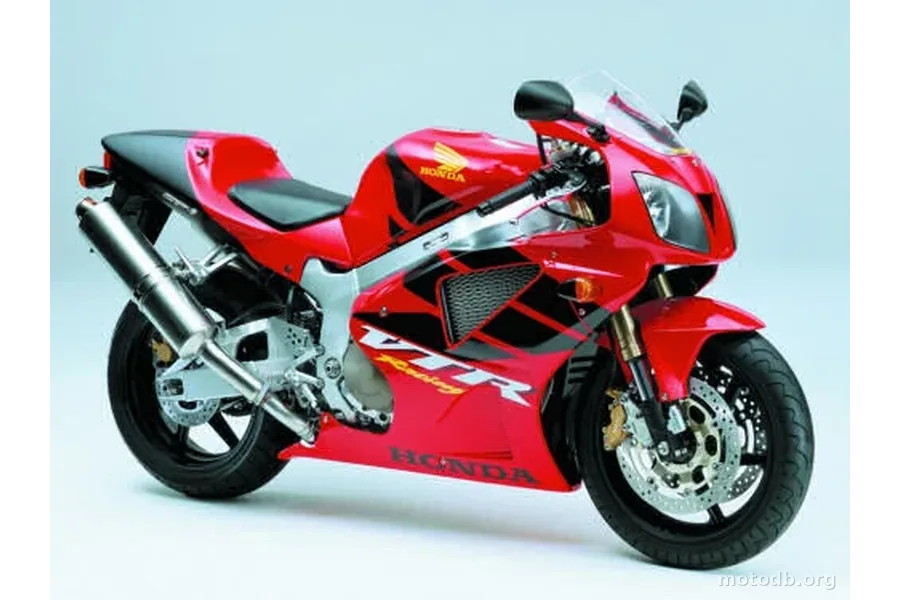
Can a motorcycle be born from rivalry? The VTR SP-1, or RC 51 for initiates, is living proof. At the turn of the 2000s, Honda, tired of seeing its inline-fours beaten by Ducati’s V-twins in Superbike racing, decided to play on equal terms. The result is this track beast with an aggressive silhouette, a 999 cm3 V2 forged in the spirit of HRC. At the time, releasing a twin-cylinder engine to beat the Italians on their own turf was almost a poker move. Yet, with its 136 horsepower at 9500 rpm and its generous torque of 89 Nm from 6000 rpm, the message was clear: war was declared.
But is a racing weapon a good road bike? That is the whole ambiguity of this SP-1. Its engine is a resounding success, a supple mechanical unit that awakens with real fury after 5500 rpm, far from the dry brutality of some competitors. On a winding circuit, when the tarmac is smooth, it throws itself into curves with scalpel-like precision, carried by a perimeter aluminum frame and a huge swingarm that inspires absolute confidence. The braking, with its two 320 mm front discs, is so effective that it will stick your face to the tank. However, it quickly shows its limits as soon as the track becomes technical. The suspension, an inverted fork and a monoshock, severely lack composure and progressiveness. Too soft, they start to float, unsettling the bike and depriving you of precious tenths of a second. This is the Achilles' heel of this contender for the title.
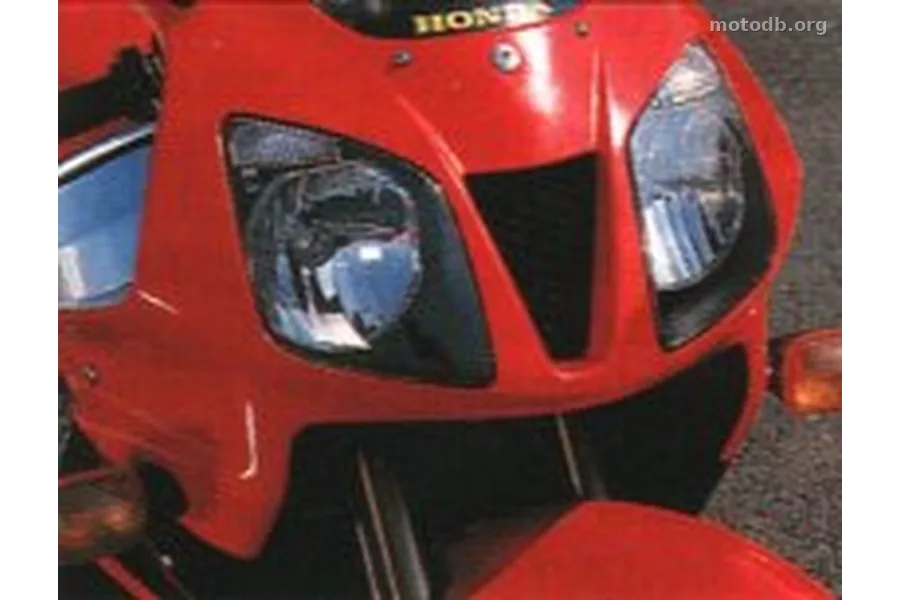
Where it ultimately surprises the most is on the open road. Far from lap times and vibration dampers, the SP-1 reveals an almost civilized character. Its V2 engine delivers its power with a charming progressiveness, the riding position, although committed with its 813 mm seat height, remains manageable, and the six-speed gearbox plays the score with precision. It devours departmental roads with a rare appetite for a machine so radical in its DNA. Its 18-liter tank even offers a certain range. At 200 kg dry, it is not a featherweight, but its agility makes it surprisingly maneuverable. It is a demanding sportbike, of course, but one that knows how to become a willing accomplice when you don’t push it to its limits.
So, who is it for? Certainly not for the beginner, frightened by its entry price of 15245 euros at the time and its competitive temperament. It is the bike for the purist, the collector who sees in it a piece of history, or the demanding sport touring rider who seeks a mechanical character that is authentic and raw. Faced with a Ducati 996, more theatrical and immediately charismatic, the Honda plays the card of efficiency and mechanical sophistication. It does not have the romantic aura of the Italian, but it has the mettle of a champion, as proven by its victory at the 24 Hours of Le Mans on its first outing. The VTR SP-1 is not a perfect motorcycle, but it is a motorcycle with a soul, born for a single purpose: to win. And on that point, history has proven it right.
Practical info
- La moto est accessible aux permis : A

Reviews & comments
No reviews yet. Be the first to share your opinion!