Key performance
Technical specifications
- Weight
- 256.00 kg → 251.00 kg
- Dry weight
- 218.00 kg → 213.00 kg
- New price
- 12 490 € → 11 800 €
Engine
- Displacement
- 781 cc
- Power
- 106.0 ch @ 10500 tr/min (78.0 kW)
- Torque
- 78.5 Nm @ 8500 tr/min
- Engine type
- 4 cylindres en L à 90°, 4 temps
- Cooling
- liquide
- Compression ratio
- 11.6:1
- Bore × stroke
- 72 x 48 mm
- Valves/cylinder
- 4
- Camshafts
- 2 ACT
- Fuel system
- Injection PGM-FI
Chassis
- Frame
- double poutre en aluminium
- Gearbox
- boîte à 6 rapports
- Final drive
- Chaîne
- Front suspension
- Fourche téléhydraulique Ø 43 mm, déb : 109 mm
- Rear suspension
- Monobras oscillant Pro-Arm monoamortisseur, déb : 120 mm
Brakes
- Front brakes
- Freinage 2 disques Ø 296 mm, étrier 3 pistons
- Rear brakes
- Freinage 1 disque Ø 256 mm, étrier 3 pistons
- Front tyre
- 120/70-17
- Front tyre pressure
- 2.50 bar
- Rear tyre
- 180/55-17
- Rear tyre pressure
- 2.90 bar
Dimensions
- Seat height
- 805.00 mm
- Fuel capacity
- 22.00 L
- Weight
- 251.00 kg
- Dry weight
- 213.00 kg
- New price
- 11 800 €
Overview
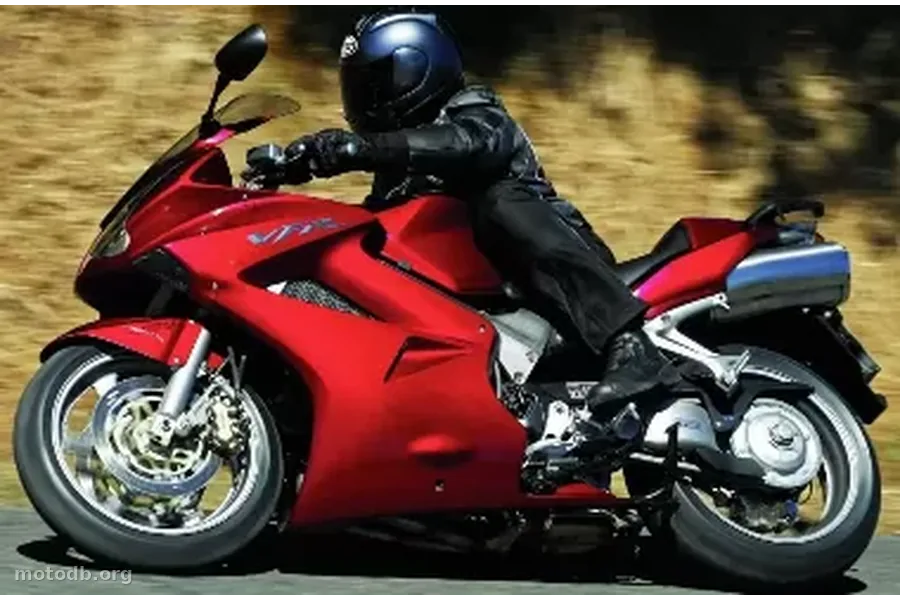
Do you remember your first encounter with a VFR? That V4 with its very particular hum, that silhouette always hesitating between sporty and touring, that impression of robustness that seemed unbreakable. In 2006, when Honda presented this new version, we expected a revolution. After all, the previous generation, launched in 2002, had already shaken things up with its angular look and the introduction of V-TEC. Four years later, the change is... almost invisible. Apart from a few cosmetic details – clearer turn signals, a slightly tinted screen – the machine is rigorously identical. You’d think the stylists had spent a long time on the beach. The design department had clearly been put on sabbatical.
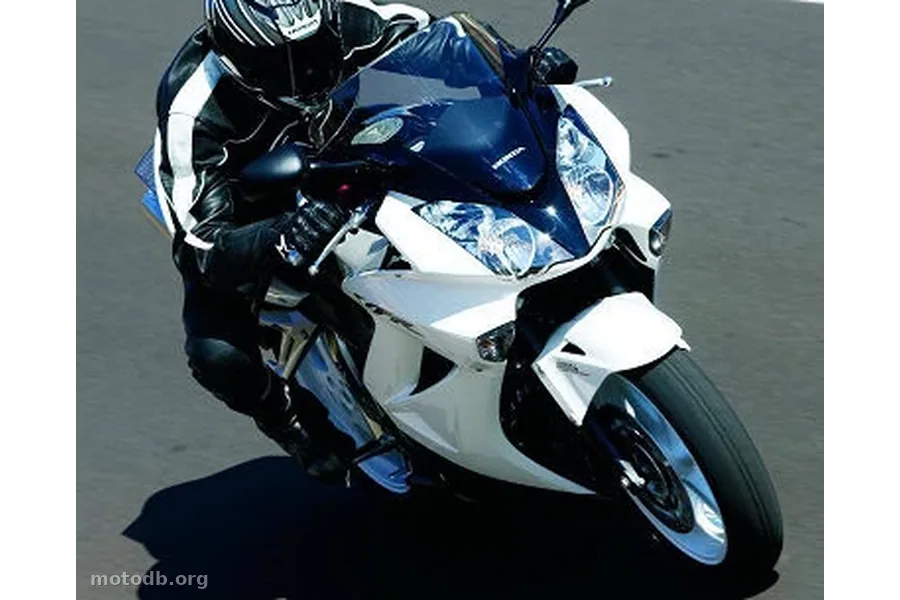
But let’s not be fooled. Where it counts, under the 22-liter fuel tank, the heart has evolved. Honda has reworked the V-TEC system, this mechanical genius that switches from 2 to 4 valves per cylinder. The activation threshold is now lowered to 6600 rpm, 200 revolutions earlier. The goal? To soften this transition, sometimes a little brutal on the first models, without sacrificing that characteristic little "clack" that brings a smile to your face. On deceleration, the return to 2-valve mode now occurs at 6100 rpm. It’s more progressive, more refined. The engine also borrows its injectors from the CBR 1000 RR Fireblade and is dressed to face Euro 3 standards. The engine remains a 90° L-shaped V4 of 781 cc, delivering 106 horsepower at 10500 rpm and a torque of 78.5 Nm at 8500 rpm. Respectable figures, but they no longer intimidate the competition as they did back then.
The chassis, however, hasn't moved a millimeter. And that's a good thing. The aluminum twin-spar frame, the 43 mm fork, the Pro-Arm monoshock, and the Dual CBS braking system with its two 296 mm front discs form a set of absolute cohesion. With 251 kg fully fueled and a seat height of 805 mm, it presents itself as a queen of the sport-GT. It devours highways with the comfort of a touring bike and leans into mountain curves with the precision of a sportbike. It’s neither the most radical nor the most powerful, but it has a disarming versatility and reliability. It’s a motorcycle that reassures, that will never betray you, even when clouds gather over the pass.
And perhaps that’s its tragedy. In 2006, the market changed. Trails began their ascent, pure sportbikes became increasingly extreme, and customers were looking for thrills. The VFR 800, at nearly €12,000, seems frozen in a role that it masters perfectly, but that no longer excites the crowds. It is the perfect motorcycle for the demanding globetrotter who travels thousands of kilometers, for those who want a unique machine capable of doing everything without ever complaining. But it no longer makes you dream like before. Honda played the card of gentle evolution, of incremental perfection. In a world that demands revolutions, it's a bold bet—perhaps too much. This VFR remains a magnificent machine, a masterpiece of engineering. But it’s like a classic grand cru in a cocktail bar: some will understand all its finesse, while others will pass by, attracted by flashier and more immediate beverages.
Standard equipment
- Assistance au freinage : CBS de série - ABS en option
Practical info
- La moto est accessible aux permis : A
Indicators & positioning
Similar bikes
800 FAZER 8 Race Blu
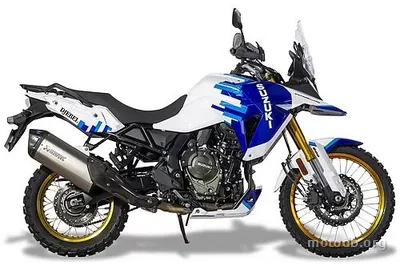
V-Strom 800DE Rally Edition
Reviews & comments
No reviews yet. Be the first to share your opinion!