Key performance
Technical specifications
- Weight
- 256.00 kg → 251.00 kg
- Dry weight
- 218.00 kg → 213.00 kg
- New price
- 12 490 € → 11 800 €
Engine
- Displacement
- 781 cc
- Power
- 106.0 ch @ 10500 tr/min (78.0 kW)
- Torque
- 78.5 Nm @ 8500 tr/min
- Engine type
- 4 cylindres en L à 90°, 4 temps
- Cooling
- liquide
- Compression ratio
- 11.6:1
- Bore × stroke
- 72 x 48 mm
- Valves/cylinder
- 4
- Camshafts
- 2 ACT
- Fuel system
- Injection PGM-FI
Chassis
- Frame
- double poutre en aluminium
- Gearbox
- boîte à 6 rapports
- Final drive
- Chaîne
- Front suspension
- Fourche téléhydraulique Ø 43 mm, déb : 109 mm
- Rear suspension
- Monobras oscillant Pro-Arm monoamortisseur, déb : 120 mm
Brakes
- Front brakes
- Freinage 2 disques Ø 296 mm, étrier 3 pistons
- Rear brakes
- Freinage 1 disque Ø 256 mm, étrier 3 pistons
- Front tyre
- 120/70-17
- Front tyre pressure
- 2.50 bar
- Rear tyre
- 180/55-17
- Rear tyre pressure
- 2.90 bar
Dimensions
- Seat height
- 805.00 mm
- Fuel capacity
- 22.00 L
- Weight
- 251.00 kg
- Dry weight
- 213.00 kg
- New price
- 11 800 €
Overview
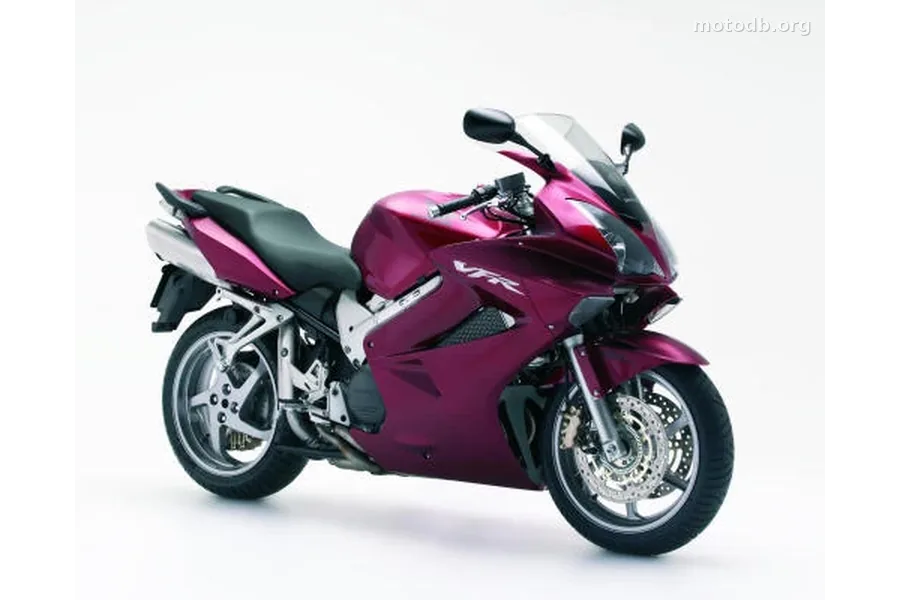
Motorcycle: Honda VFR 800 V-TEC RC 46 II (2005)
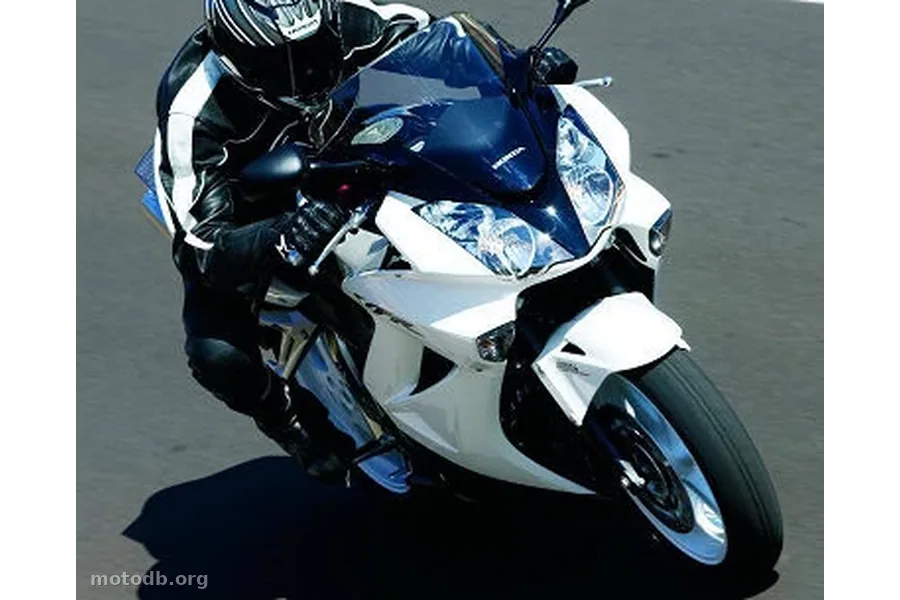
Who said a versatile machine had to be sensible and characterless? In 2005, Honda gave its legendary VFR 800 a jolt, a model that, since 1986, has often been considered a benchmark in the world of GT sportbikes. However, facing competitors like the Triumph Sprint ST, which was more spirited and modern, the Japanese bike could no longer rely solely on its reputation for robustness. It was time to innovate, or at least, to ride the wave of technology.
The first shock is visual. The gentle curves are gone, replaced by an angular and aggressive fairing reminiscent of certain Italian creations of the time, such as the Aprilia Futura. The style gains bite, and the mechanics are more exposed, with these pronounced Vs that follow the architecture of the famous V4. But the real feat is hidden under the 22-liter fuel tank. Honda grafts its V-TEC system, borrowed from the automotive world. The principle? Below 6800 rpm, only two valves per cylinder are activated, for more generous torque at low speeds and controlled consumption. Exceed this threshold, and the 16 valves deploy to release 106 horsepower at 10500 rpm. On paper, it’s appealing. To the ear, it’s even quite successful: the engine murmurs up to 7000 rpm before giving way to a sharper, sportier howl, once the V-TEC is engaged. The transition is remarkably smooth, without jerks or dips in the curve. However, this sophistication comes at a price: the characteristic whistle of the old gear cascade distribution is lost, replaced by a simple chain. A betrayal for purists.
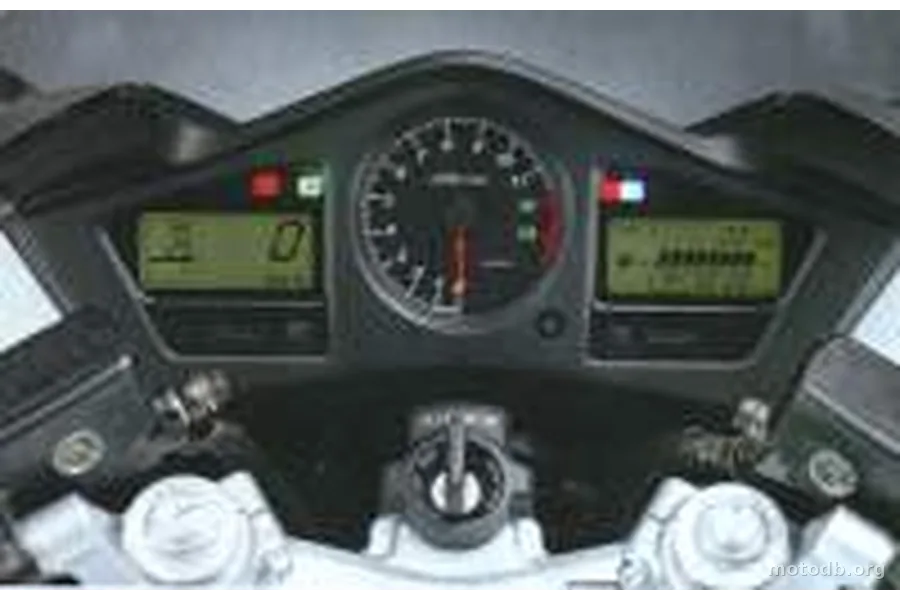
On the saddle, the magic still works. With a weight of 251 kg fully fueled and a seat height of 805 mm, the VFR 800 remains remarkably accessible. The aluminum frame and 43 mm fork offer precise rigidity, while the Pro-Arm monoshock manages comfort with precision. It is a machine that inspires immediate confidence, whether riding in touring mode or pushing it a little in the curves. The brakes, with their double 296 mm front discs, are sharp and powerful. The transmission has been reworked, with longer top gears, which also contributes to the more lively acceleration compared to the previous generation. But ultimately, the spirit is preserved: a disconcerting ease of riding, a versatility that excels everywhere without ever brutalizing its rider.
So, is this VFR 800 V-TEC the ultimate GT sportbike? It has the pedigree and versatility. It will appeal to the demanding globetrotter looking for a machine capable of devouring the highway at 240 km/h, playing in the mountains thanks to its torque of 78.5 Nm, and covering 100,000 kilometers without a hitch. But it may lack that spark, that madness that characterizes its European rivals. It is reasonable excellence, a somewhat cold perfection. At 11,800 euros at the time, it was worth its price for those seeking an infallible and refined road companion. For others, those who want their motorcycle to speak to them with their guts, you might need to look elsewhere. Honda made a very good motorcycle, but not necessarily a motorcycle that makes you dream.
Standard equipment
- Assistance au freinage : CBS de série - ABS en option
Practical info
- La moto est accessible aux permis : A
Indicators & positioning
Similar bikes
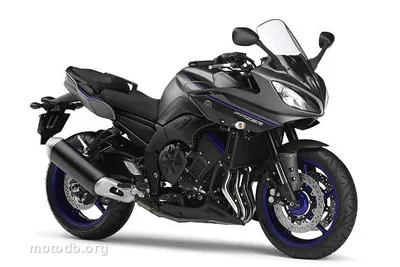
800 FAZER 8 Race Blu
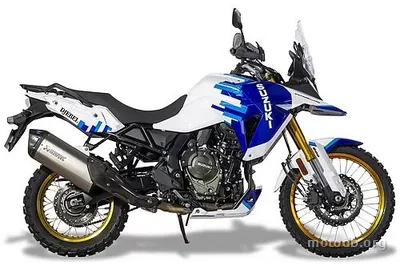
V-Strom 800DE Rally Edition
Reviews & comments
No reviews yet. Be the first to share your opinion!