Key performance
Technical specifications
Engine
- Displacement
- 781 cc
- Power
- 106.0 ch @ 10500 tr/min (78.0 kW)
- Torque
- 78.5 Nm @ 8500 tr/min
- Engine type
- 4 cylindres en L à 90°, 4 temps
- Cooling
- liquide
- Compression ratio
- 11.6:1
- Bore × stroke
- 72 x 48 mm
- Valves/cylinder
- 4
- Camshafts
- 2 ACT
- Fuel system
- Injection PGM-FI
Chassis
- Frame
- double poutre en aluminium
- Gearbox
- boîte à 6 rapports
- Final drive
- Chaîne
- Front suspension
- Fourche téléhydraulique Ø 43 mm, déb : 109 mm
- Rear suspension
- Monobras oscillant Pro-Arm monoamortisseur, déb : 120 mm
Brakes
- Front brakes
- Freinage 2 disques Ø 296 mm, étrier 3 pistons
- Rear brakes
- Freinage 1 disque Ø 256 mm, étrier 3 pistons
- Front tyre
- 120/70-17
- Front tyre pressure
- 2.50 bar
- Rear tyre
- 180/55-17
- Rear tyre pressure
- 2.90 bar
Dimensions
- Seat height
- 805.00 mm
- Fuel capacity
- 22.00 L
- Weight
- 249.00 kg
- Dry weight
- 218.00 kg
- New price
- 12 490 €
Overview
The 2013 Honda VFR 800 V-TEC, often called RC 46 II, is a motorcycle that poses a simple but fundamental question: can one be too faithful to their own past? This 781 cc V4, with its 106 horsepower at 10,500 rpm and 78.5 Nm of torque, is a monument in motorcycle history, a sport GT that defined a category. But in 2013, facing competition that has radically evolved, this faithfulness becomes a point of discussion. Its price of 12,490 euros places the machine in a segment where buyers often demand novelty, or at least a clear evolution.
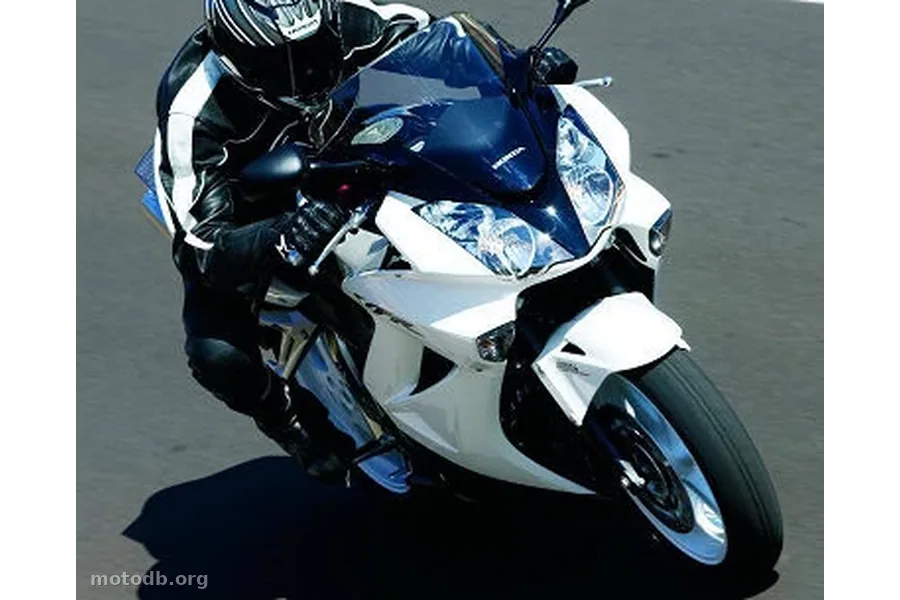
Physically, the VFR 800 of this generation is almost a replica of its 2006 predecessor. The design, with its tinted bubble and white turn signals, is a conservatory of the angular lines introduced in 2002. Honda has not mobilized its styling department for an aesthetic revolution. The chassis, however, does not need a revolution. The aluminum twin-beam frame, the 43 mm fork, and the Pro-Arm monobrach with monoshock constitute a mechanically coherent base. The dual-disc braking system and three-piston calipers offer power worthy of a 249 kg machine fully fueled. On the road, this ensemble offers remarkable versatility: the motorcycle is stable, precise, and capable of transforming a multi-hour journey into continuous pleasure. Its 22-liter tank and 805 mm seat height reinforce this vocation as a sport touring motorcycle.
The heart of the evolution lies in the V4 engine and its V-TEC system. The principle is known: two valves per cylinder at low speed, four at high speed for an explosion of power. For this version, Honda has worked on the transition. The switching point is lowered to 6600 rpm, and the return to two-valve mode occurs at 6100 rpm. The objective is a smoother, less brutal transition, to make the use of V-TEC more intuitive and less intrusive. The engine, with its 72 mm bore and a compression ratio of 11.6:1, retains its unique character: a deep sound and power that unfolds with the typical elasticity of V4s. The chain transmission and six-speed gearbox are reliable and well-known elements for enthusiasts of the brand.
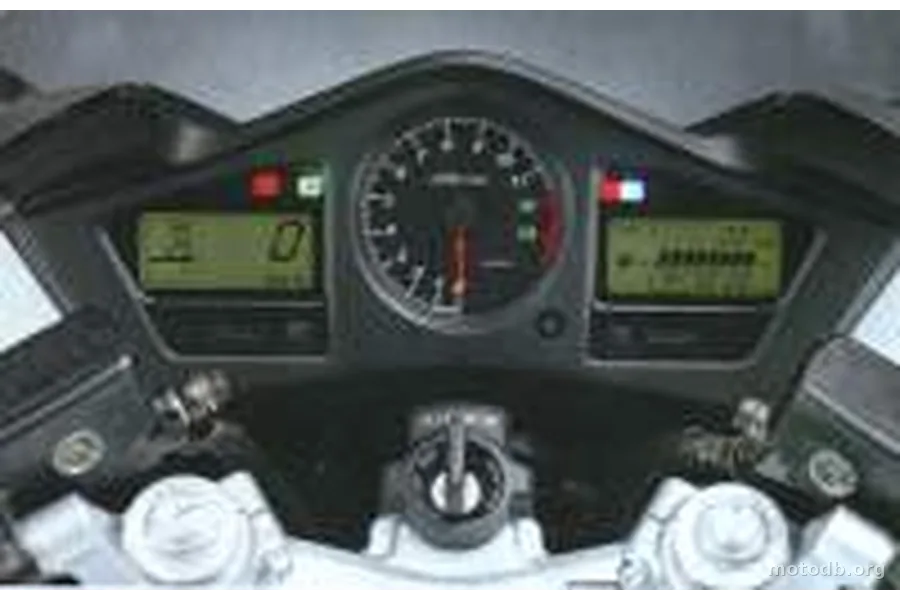
The 2013 VFR 800 V-TEC is a motorcycle for a specific audience: the sport touring rider who values history, reliability, and a certain mechanical subtlety. It is not the machine for someone seeking absolute brute performance or the most aggressive design. Its direct competitors, such as some European machines, may offer more power or more ostentatious technology. The VFR positions itself as a smart option, a GT that has solved the equation of comfort and sporting aggressiveness for years. Its weight, suspensions, and braking are assets for long journeys. However, its little-renewed design and its V-TEC system, even improved, may seem dated compared to market innovations. Honda maintains the VFR in its catalog, almost as a tribute to a formula that has worked. It is a motorcycle that may not excite the crowds seeking novelty, but that will irrevocably seduce those who understand and appreciate the essence of a Japanese sport touring, precise, reliable, and endowed with an unforgettable mechanical character.
Standard equipment
- Assistance au freinage : CBS y ABS de serie
Practical info
- La moto est accessible aux permis : A
Indicators & positioning
Similar bikes
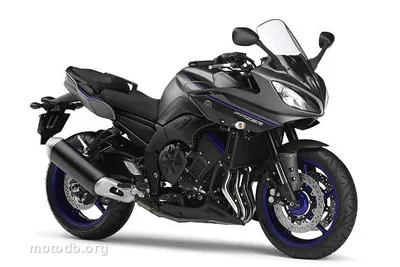
800 FAZER 8 Race Blu
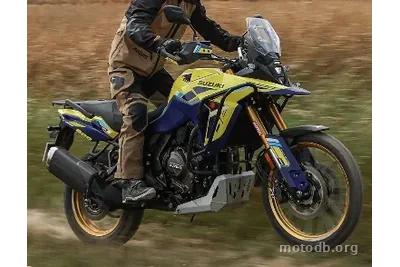
V-Strom 800DE Rally Edition
Reviews & comments
No reviews yet. Be the first to share your opinion!