Key performance
Technical specifications
Engine
- Displacement
- 1868 cc
- Power
- 93.0 ch @ 5020 tr/min (68.4 kW)
- Torque
- 154.9 Nm @ 3000 tr/min
- Engine type
- Bicylindre en V à 45°, 4 temps
- Cooling
- par air
- Compression ratio
- 10.5 : 1
- Bore × stroke
- 102 x 114 mm
- Valves/cylinder
- 4
- Fuel system
- Injection
Chassis
- Frame
- Double berceau tubulaire en acier
- Gearbox
- boîte à 6 rapports
- Final drive
- Courroie
- Front suspension
- Fourche téléhydraulique inversée Ø 43 mm, déb : 130 mm
- Rear suspension
- Mono-amortisseur sous la selle, déb : 86 mm
Brakes
- Front brakes
- Freinage 2 disques Ø 300 mm, étrier 4 pistons
- Rear brakes
- Freinage 1 disque Ø 292 mm, étrier 2 pistons
- Front tyre
- 110/90-19
- Rear tyre
- 180/70-16
Dimensions
- Seat height
- 690.00 mm
- Fuel capacity
- 18.90 L
- Weight
- 308.00 kg
- Dry weight
- 295.00 kg
- New price
- 19 990 €
Overview
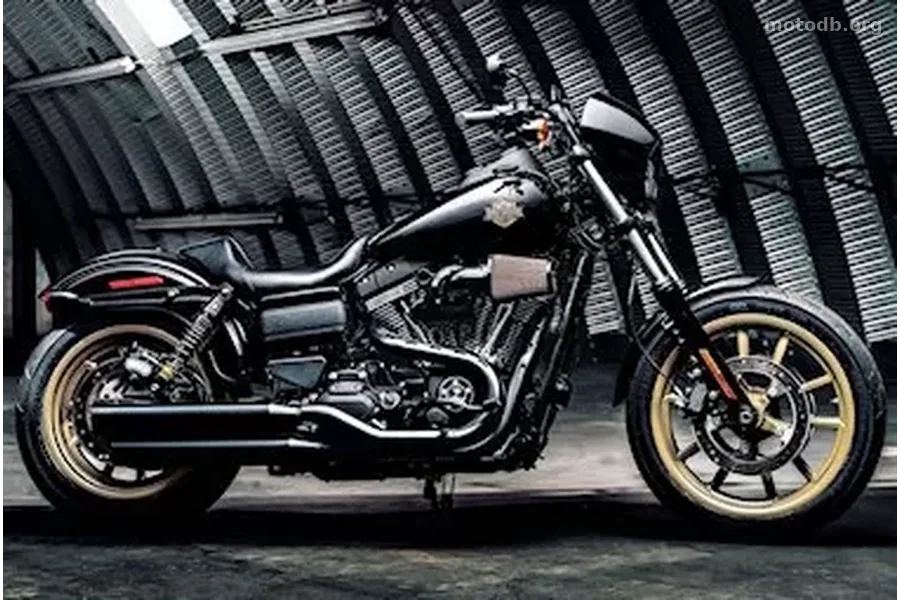
Who remembers the first Low Rider S, the 2016 model, built on a Dyna chassis with the big 110 ci twin reserved for CVO machines? That version had left a lasting impression with its raw character, almost indecent in a lineup where most models were content to purr along. Three years later, Milwaukee is back at it. The 2020 FXLRS now sits on the Softail platform and packs a 45° V-twin bored out to 1868 cc. The Milwaukee Eight 114 puts out 93 horsepower at 5020 rpm and, more importantly, 155 Nm of torque from just 3000 rpm. Numbers close to the old S, admittedly, but the steel double-cradle frame and rolling chassis are a completely different story.
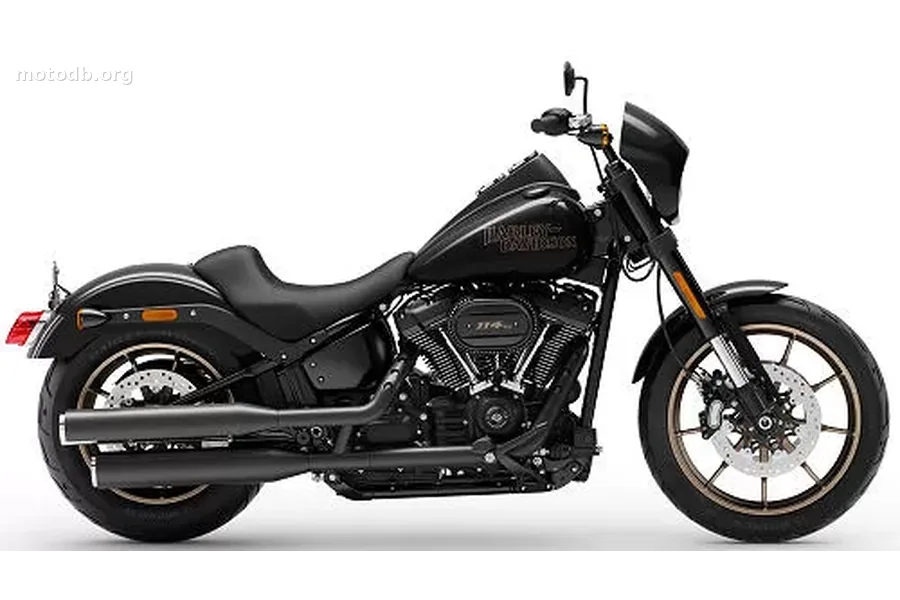
Because that's exactly where this Low Rider S pulls away from its predecessor. The 43 mm inverted fork replaces the conventional unit from the standard Low Rider, the rake angle is tightened by two degrees to 28°, and the front braking upgrades to twin 300 mm discs clamped by four-piston calipers. A far cry from the spongy front end that some Softails were criticized for. The hidden mono-shock under the seat offers only 86 mm of travel, which betrays a clearly urban and suburban vocation rather than a touring one. On rough pavement, your back will remember it. But on a clean stretch of road, the machine turns with a precision that's surprising for its 308 kg wet weight.
The aesthetic positioning leaves no room for doubt. Everything is black, from the engine to the exhaust to the rolling chassis, with the sole exception of the bronze wheels that provide the only touch of contrast. The compact flyscreen, the single seat that locks the hips in place, the slightly raised handlebar — every detail shapes the silhouette of an unapologetic tough guy. The low seat height of 690 mm lets almost anyone plant both feet flat, which is reassuring despite the imposing size. The 18.9-liter tank remains modest for a machine of this weight, and the top speed capped at 160 km/h is a reminder that the V-twin favors punchy pulls in the city over highway blasts.
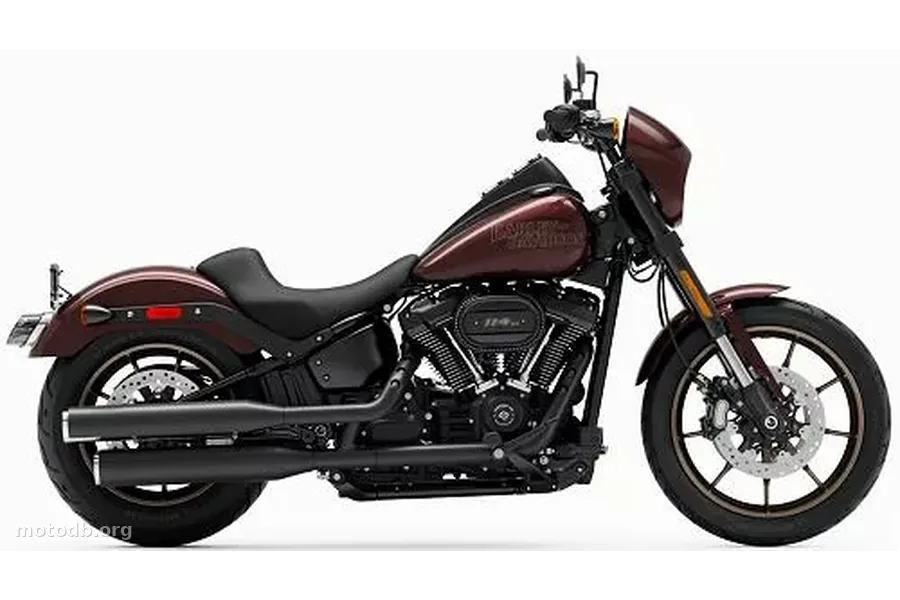
Against the competition, the Low Rider S plays a singular tune. An Indian Chief Dark Horse offers a comparable temperament with an 1890 cc twin and a similar price, but in a more classic register. Within Harley's own ranks, the 2020 catalog includes a dozen models equipped with the 114 ci, which dilutes the once-exclusive character of the big mill. The Fat Bob offers more aggressive geometry, the Breakout banks on the showmanship of its massive rear tire. The Low Rider S occupies a middle ground: radical enough to attract the rider who wants character without falling into show-floor custom territory, but not versatile enough to swallow long loaded stages. Its belt drive and six-speed gearbox deliver hassle-free reliability.
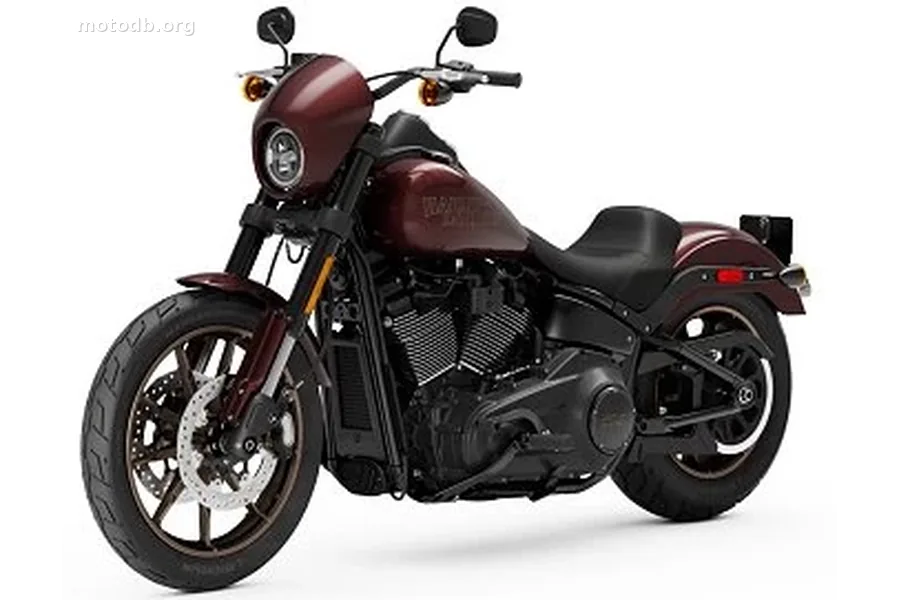
At 19,990 euros, this FXLRS targets a clientele already familiar with the Harley universe, looking for a step above the Low Rider 107 without tipping into CVO pricing. The typical profile: an urban rider who enjoys weekend runs on winding back roads, who wants torque on tap and unmistakable visual presence. Beginners need not apply — the weight and power demand a minimum of experience. For everyone else, it's a muscular custom that doesn't claim to reinvent the formula but executes it with conviction. No revolution, just an effective update of a recipe that works.
Standard equipment
- Assistance au freinage : ABS de série
Practical info
- La moto est accessible aux permis : A
Indicators & positioning
Similar bikes
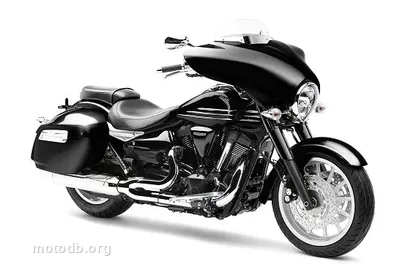
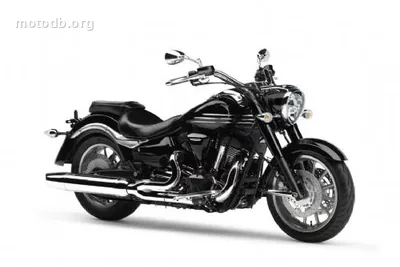
XV1900A Midnight Star
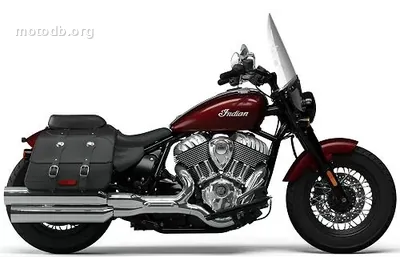
1890 Super Chief Limited / Dark Horse
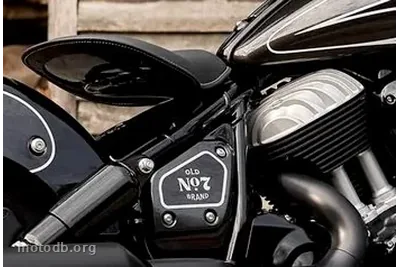
1890 Chief Bobber Dark Horse Jack Daniel's
Reviews & comments
No reviews yet. Be the first to share your opinion!