Key performance
Technical specifications
- Power
- 83.0 ch @ 4750 tr/min (61.0 kW) → 88.0 ch @ 5020 tr/min (64.7 kW)
- Torque
- 156.9 Nm @ 3000 tr/min → 161.8 Nm @ 3250 tr/min
- Rear tyre
- 215/45-18 → 205/65-15
- Weight
- 513.00 kg → 507.00 kg
- Dry weight
- 496.00 kg → 492.00 kg
- New price
- 36 295 € → 30 850 €
Engine
- Displacement
- 1868 cc
- Power
- 88.0 ch @ 5020 tr/min (64.7 kW)
- Torque
- 161.8 Nm @ 3250 tr/min
- Engine type
- Bicylindre en V à 45°, 4 temps
- Cooling
- par air
- Compression ratio
- 10.5 : 1
- Bore × stroke
- 102 x 114 mm
- Valves/cylinder
- 4
- Fuel system
- Injection
Chassis
- Frame
- Double berceau tubulaire en acier
- Gearbox
- boîte à 6 rapports
- Final drive
- Courroie
- Front suspension
- Fourche téléscopique Ø 49 mm, déb : 117 mm
Brakes
- Front brakes
- Freinage 2 disques Ø 300 mm, étrier 4 pistons
- Rear brakes
- Freinage 1 disque Ø 270 mm
- Front tyre
- 130/60-19
- Rear tyre
- 205/65-15
Dimensions
- Seat height
- 700.00 mm
- Fuel capacity
- 22.70 L
- Weight
- 507.00 kg
- Dry weight
- 492.00 kg
- New price
- 30 850 €
Overview
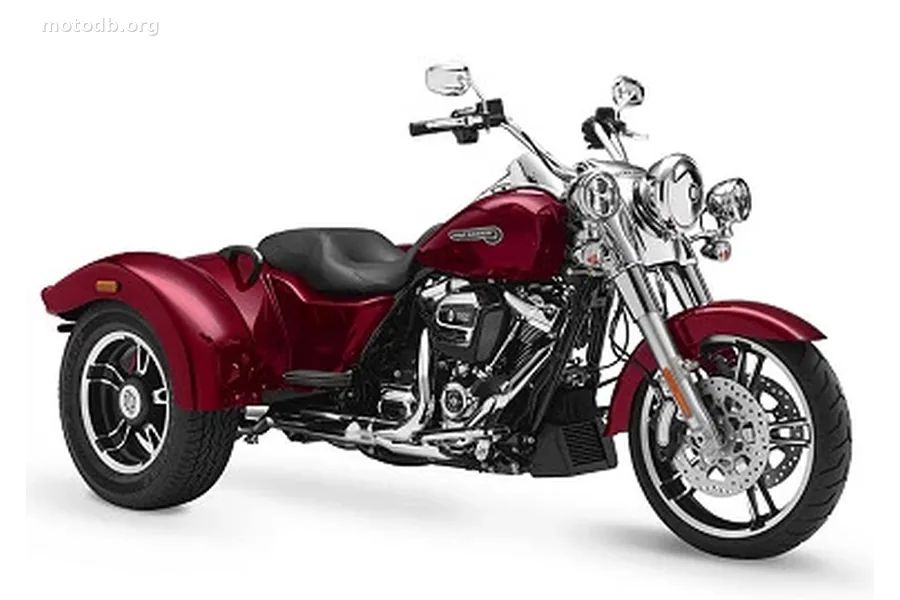
Who would have thought that one day Harley-Davidson would extend its trike universe into a muscle car version? Yet that's exactly the gamble behind the Freewheeler FLRT, which landed in the 2019 catalog as the rebellious little brother of the Tri Glide Ultra. Where the latter plays the luxury liner card, loaded with touring equipment, the Freewheeler takes the stripped-down route. Clean lines, a Mini-Apehangar handlebar that gives you a hot rod pilot stance, and above all 57 kg less on the scales. At 507 kg wet, we're not talking about a featherweight, admittedly. But in the world of motorized three-wheelers, this weight loss radically changes the machine's temperament. And your wallet breathes easier too: expect to pay 30,850 euros, nearly 7,000 euros less than the Tri Glide.
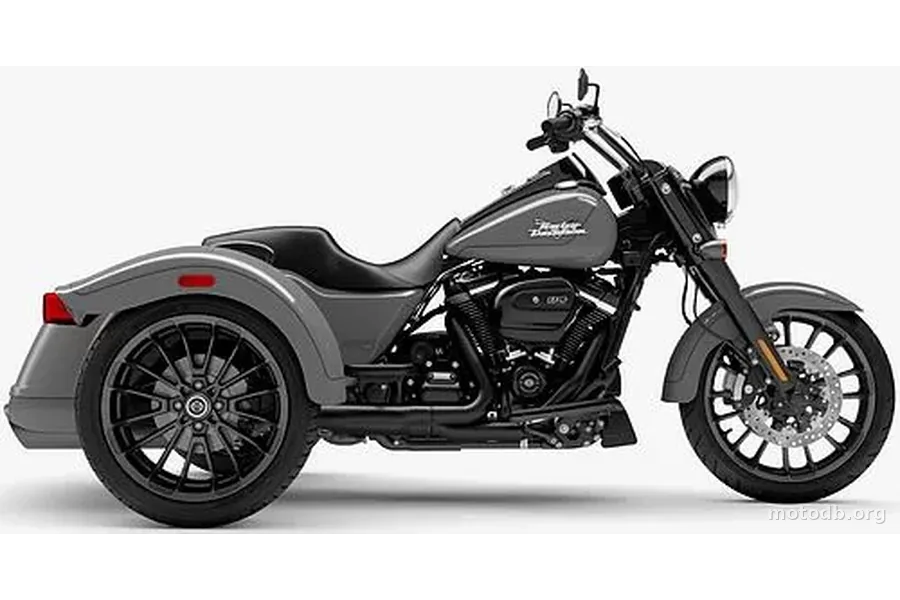
Beneath this streamlined silhouette beats the Milwaukee Eight V-twin in its 114 cubic inch version, meaning 1,868 cc of displacement. This air-cooled 45° twin develops 88 hp at 5,020 rpm, a modest figure on paper but one that only tells part of the story. The real signature of this engine is its torque: 161.8 Nm available from just 3,250 rpm. Four valves and two spark plugs per cylinder, a compression ratio of 10.5:1, and this long-stroke engine (102 x 114 mm) delivers its thrust with a typically American smoothness. The six-speed gearbox and belt drive do the rest. You won't exceed 170 km/h at top speed, but the Freewheeler isn't meant to be judged by sportbike standards. Its calling is low-end torque and strong acceleration on a whisper of throttle.
To keep all that power in check across three contact points, Harley equipped the 2019 model year with the Reflex linked braking system. Two 300 mm discs squeezed by four-piston calipers up front, a 270 mm disc at the rear, all managed by ABS coupled with traction control and drag-torque slip control. On a machine weighing half a ton, these electronic aids are far from a luxury. The 49 mm telescopic fork offers 117 mm of travel, and the rear suspension uses Premium elements from the Touring range with adjustable preload. The steel double-cradle frame handles the specific stresses of the dual-wheel rear axle, fitted with 205/65-15 tires that provide a wide, stable footprint. Up front, a 130/60-19 handles the steering.
The Freewheeler targets a very specific audience. First, car license holders who dream of motorcycle thrills without taking the full bike test. Then, experienced riders whose age or physical condition keeps them off two wheels but who refuse to hang up their leathers. The low seat, perched at just 700 mm, makes it easy to get acquainted. The 22.7-liter tank allows for reasonable legs between fuel stops. And the rear trunk, spacious enough to fit two helmets, makes two-up touring a realistic prospect. The lack of a windshield and weather protection is regrettable, however, confining the Freewheeler to fair-weather use or short trips.
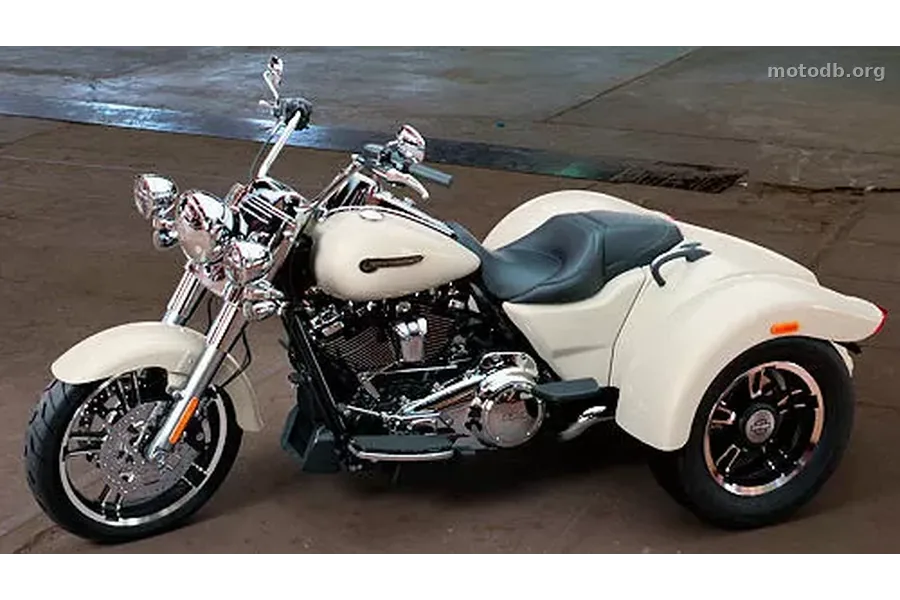
Against the competition, the Freewheeler occupies an almost deserted niche. Can-Am offers its Spyder and Ryker with two wheels up front, a radically different philosophy and more accessible pricing on the Ryker. But neither can rival the prestige of the Bar & Shield badge nor the vibrations of a big American twin. The Freewheeler isn't chasing performance or mileage. It sells an image, an attitude, a sound. And on that front, it remains hard to beat.
Standard equipment
- Assistance au freinage : coupled braking + ABS
Practical info
- La moto est accessible aux permis : A
Indicators & positioning
Similar bikes
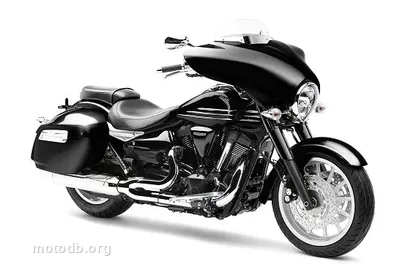
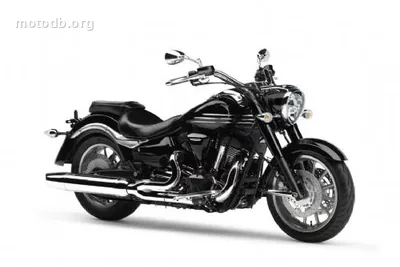
XV1900A Midnight Star
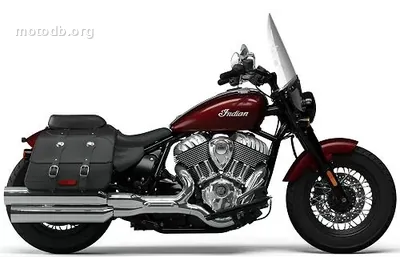
1890 Super Chief Limited / Dark Horse
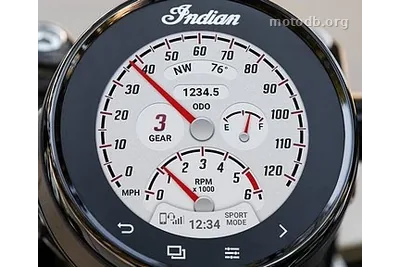
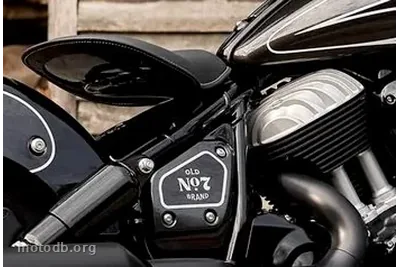
1890 Chief Bobber Dark Horse Jack Daniel's
Reviews & comments
No reviews yet. Be the first to share your opinion!