Key performance
Technical specifications
- Torque
- 158.9 Nm @ 3000 tr/min → 161.8 Nm @ 3250 tr/min
- New price
- 31 390 € → 31 190 €
Engine
- Displacement
- 1868 cc
- Power
- 87.0 ch @ 5020 tr/min (64.0 kW)
- Torque
- 161.8 Nm @ 3250 tr/min
- Engine type
- Bicylindre en V à 45°, 4 temps
- Cooling
- par air
- Compression ratio
- 10.5 : 1
- Bore × stroke
- 102 x 114 mm
- Valves/cylinder
- 4
- Fuel system
- Injection
Chassis
- Frame
- Double berceau tubulaire en acier
- Gearbox
- boîte à 6 rapports
- Final drive
- Courroie
- Front suspension
- Fourche téléscopique Ø 49 mm, déb : 117 mm
Brakes
- Front brakes
- Freinage 2 disques Ø 300 mm, étrier 4 pistons
- Rear brakes
- Freinage 1 disque Ø 270 mm
- Front tyre
- 130/60-19
- Rear tyre
- 205/65-15
Dimensions
- Seat height
- 700.00 mm
- Fuel capacity
- 22.70 L
- Weight
- 507.00 kg
- Dry weight
- 492.00 kg
- New price
- 31 190 €
Overview
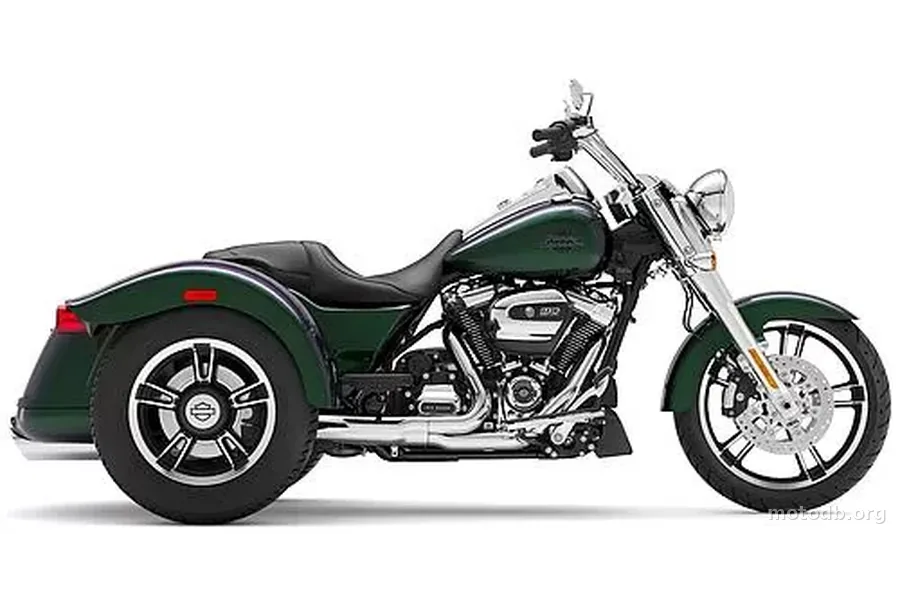
Who said a trike had to look like a big cruising sedan on three wheels? At Harley-Davidson, the Tri Glide Ultra held that niche alone for years, the plush, status-laden version of American-style touring. Then the Freewheeler FLRT came along with an entirely different philosophy. Where the Tri Glide cultivates bourgeois comfort, the Freewheeler plays the unapologetic hot rod card. Clean lines, muscular silhouette, Mini-Apehangers that force your elbows up — this is closer to a custom dragster than a highway cruise ship. And the scales confirm it. At 1,118 lbs wet, it comes in 126 lbs lighter than its big brother. On a trike, that's a difference you feel with every maneuver.
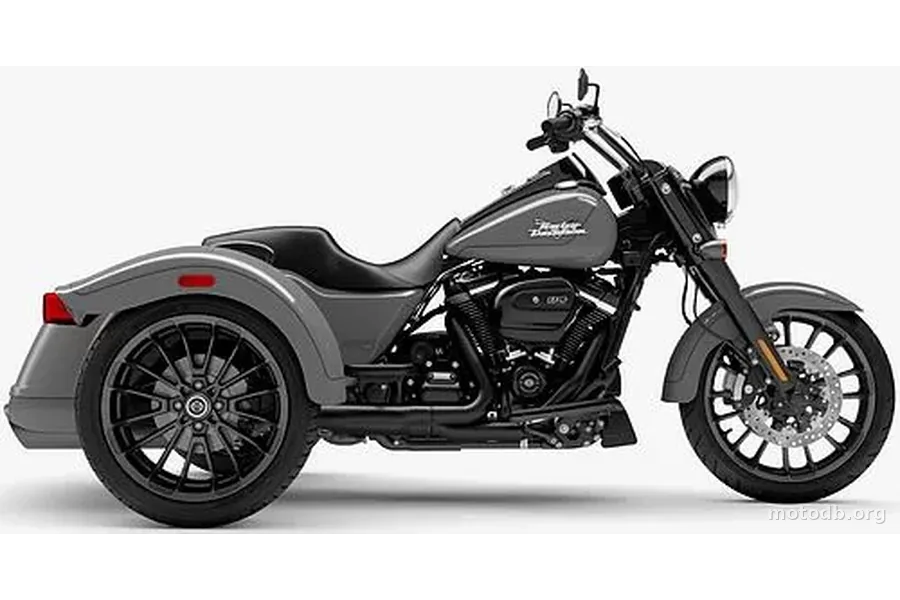
Beneath that stripped-down bodywork beats the Milwaukee Eight 114 V-twin — 114 cubic inches of American iron. The numbers speak for themselves: 87 horsepower at 5,020 rpm and, more importantly, 119.2 lb-ft of torque available from just 3,250 rpm. This isn't an engine that asks to be thrashed. It pulls hard, down low, with that deep exhaust note and those tuned vibrations that are the very essence of a Harley twin. Four valves per cylinder, dual spark plugs per head, a 10.5:1 compression ratio, and a 4.016-inch bore with a 4.488-inch stroke. The horsepower figure remains modest relative to the displacement, but on a machine of this size, torque calls the shots. The six-speed gearbox and belt final drive do the job without fuss. Top speed sits around 106 mph, which is more than enough given the nature of the beast.
The 2020 model year marks a step up in onboard electronics. The trike-specific RDRS package integrates linked braking with cornering assist, cornering-sensitive ABS, traction control, and drag-torque slip control. On a three-wheeler that doesn't lean, these aids make perfect sense: cornering behavior has nothing in common with a conventional motorcycle, and having an electronic safety net will reassure riders coming from the automotive world. Braking relies on two 300 mm front discs clamped by four-piston calipers, and a single 270 mm rear disc. The steel double-cradle frame gets a 49 mm telescopic fork with 4.6 inches of travel, while the rear suspension borrows from the Touring lineup with adjustable preload. The tires — a 130/60-19 up front and two 205/65-15 at the rear — plant the machine firmly on the ground.
The Freewheeler targets a very specific audience. First, car-license holders who dream of motorcycle thrills without going through a full motorcycle license. Then, experienced riders who, for physical reasons or personal preference, want to ride on three contact patches without sacrificing style. The low 27.6-inch seat height puts everyone at ease, the 6-gallon tank allows for decent range between stops, and the rear trunk swallows two full-face helmets. Two-up riding is feasible, even if the primary calling remains personal enjoyment.
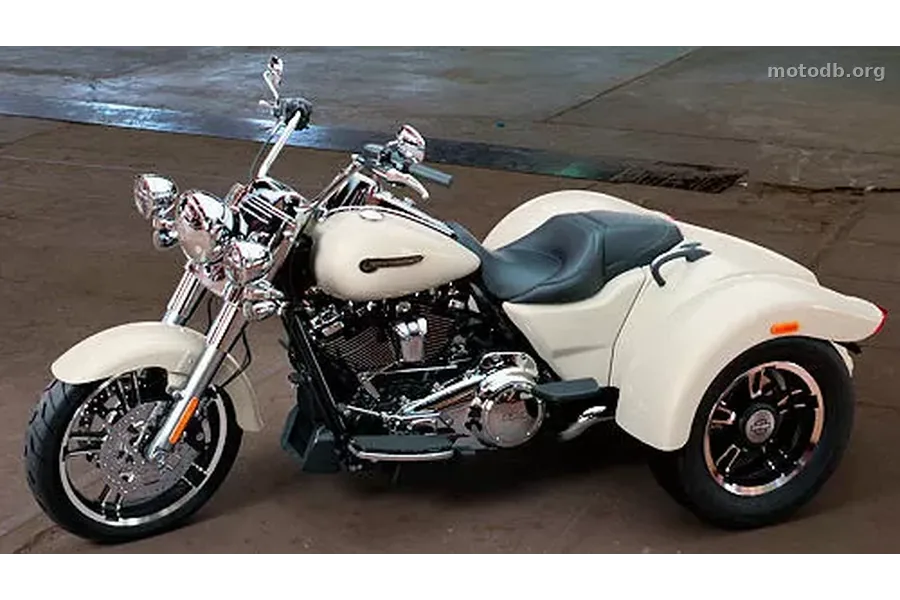
At €31,190, the Freewheeler sits well below the Tri Glide Ultra, with a gap of nearly €7,000. That's the price of a trike that owns the fact it doesn't offer everything: no windshield, no sound system, no massive tour-pak. Just a big twin, three wheels, and a look that leaves no one indifferent. In the very narrow segment of factory trikes, it has no real direct competitor outside the Harley catalog. Can-Am plays a different game, more sporty and tech-forward with its Spyder and Ryker. The Freewheeler sells raw character and an image. It's an object of passion more than a rational vehicle, and that's precisely what makes it so appealing.
Standard equipment
- Assistance au freinage : coupled braking + ABS
Practical info
- La moto est accessible aux permis : A
Indicators & positioning
Similar bikes
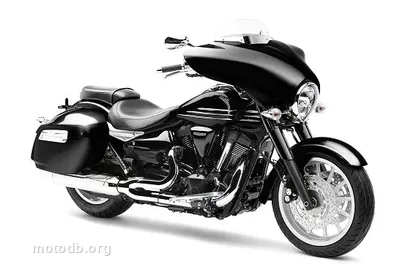
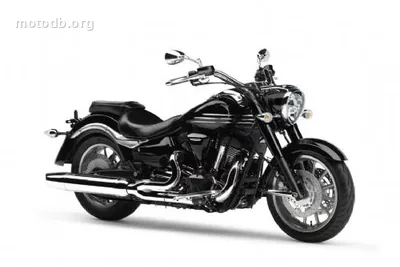
XV1900A Midnight Star
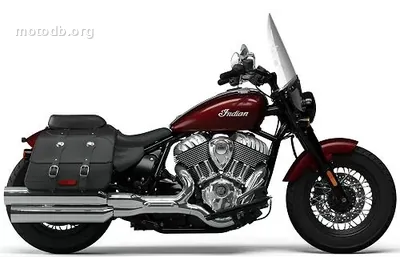
1890 Super Chief Limited / Dark Horse
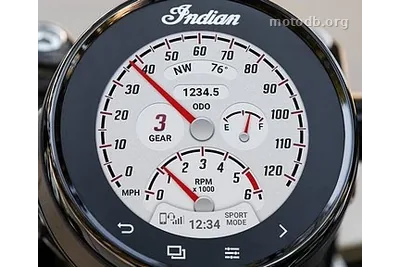
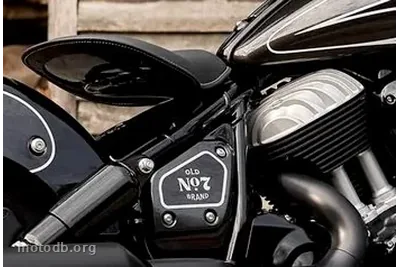
1890 Chief Bobber Dark Horse Jack Daniel's
Reviews & comments
No reviews yet. Be the first to share your opinion!