Key performance
Technical specifications
Engine
- Displacement
- 1262 cc
- Power
- 162.0 ch @ 9500 tr/min (118.2 kW)
- Torque
- 129.5 Nm @ 7500 tr/min
- Engine type
- V2, four-stroke
- Cooling
- Liquid
- Compression ratio
- 13.0:1
- Bore × stroke
- 106.0 x 71.5 mm (4.2 x 2.8 inches)
- Valves/cylinder
- 4
- Camshafts
- 2 ACT
- Fuel system
- Injection. Bosch electronic fuel injection system, elliptical throttle bodies with Ride-by-Wire, equivalent diameter 56 mm
- Valve timing
- Desmodromic valve control
- Ignition
- Dual Spark
- Starter
- Electric
Chassis
- Frame
- Tubular steel trellis
- Gearbox
- 6-speed
- Final drive
- Chain (final drive)
- Clutch
- Wet, multiplate, slipper
- Front suspension
- 50mm adjustable USD forks.
- Rear suspension
- Monoshock, preload and rebound adjustable
- Front wheel travel
- 120 mm (4.7 inches)
- Rear wheel travel
- 130 mm (5.1 inches)
Brakes
- Front brakes
- Double disc. ABS. Floating discs. Four-piston calipers. Radially mounted.
- Rear brakes
- Single disc. ABS. Two-piston calipers.
- Front tyre
- 130/70-ZR17
- Front tyre pressure
- 2.50 bar
- Rear tyre
- 240/45-ZR17
- Rear tyre pressure
- 2.50 bar
Dimensions
- Seat height
- 780.00 mm
- Wheelbase
- 1600.00 mm
- Length
- 2200.00 mm
- Fuel capacity
- 17.00 L
- Weight
- 249.00 kg
- Dry weight
- 223.00 kg
- New price
- 21 590 €
Overview
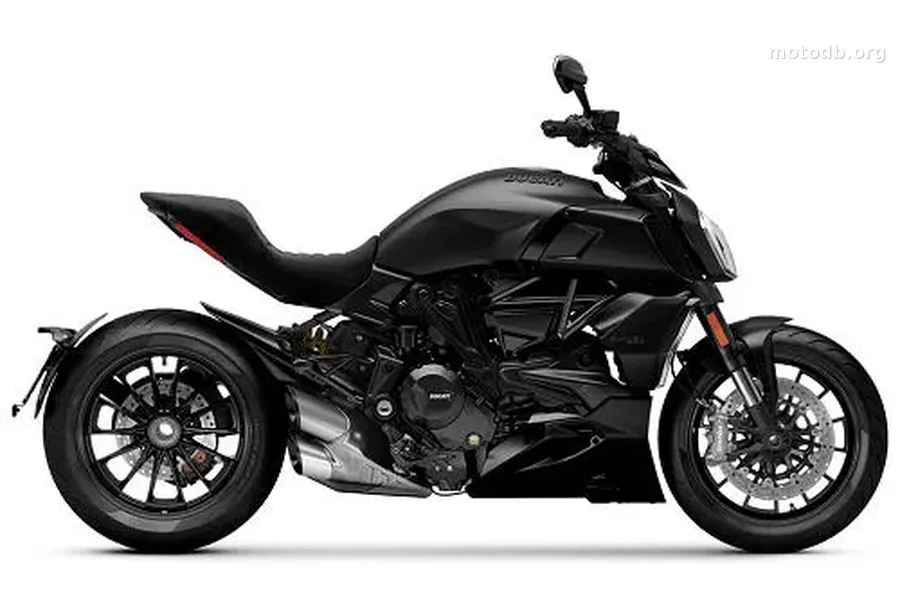
After the Monster and the Streetfighter, the Diavel propelled Ducati into another category of high-spirited roadster. Or rather, a power-cruiser. A machine far more agile than its size and bulk suggest, brimming with vigor, and a menacing face that offered it both critical and commercial success. To remain current, a reassessment was necessary. Fortunately, there was an engine ready for upgrade and technology on the shelves. This was an opportunity to refresh its appearance. Enter the 1260 Diavel.
This time, Ducati didn’t opt for a makeover like the one in 2015. A deeper restyling took place, retaining brutality while expressing a more elegant posture. Lines where rusticity fades to reveal an almost athletic finesse. The profile has been refined by observing the XDiavel, eliminating the exhaust pipes on the right side. Exhaust gases will be evacuated through a reduced double outlet to perfectly clear the rear wheel. With a new headlight, completely redesigned side fairings, flashing LED indicators, an even more minimalist rear section, and a semi-hidden frame, the second-generation Diavel knows how to renew itself with conviction. Once again, the Italian school is remarkable for design.
When you fall for a Ducati like this, you hope it delivers a punch. Last time, the twin had a displacement of 1198 cm3 and produced a lot of horsepower. Since then, the XDiavel increased the volume to 1262, and the Multistrada recovered the engine, adding a DVT variable distribution sauce. Now that it’s out of the oven, the Diavel bites into it to give itself even more vigor than before. After multiple power evolutions, it now delivers 162 horsepower, or 3 more. Torque also announces a gain, minimal with 0.1 mkg more. Even though Euro5 is restrictive, this engine still has a lot left in the tank. The Testastretta DVT 1262 still has two cylinders at 90°, but differs from the previous 1198 engine with an increased volumetric ratio, a lengthened piston stroke from 67.9 to 71.5 mm, elliptical 56 mm injection bodies, as well as variable ACT intake and exhaust valve timing. The torque of 13.2 mkg at 7500 rpm benefits from the abundance of technology to be more present and more linear in the mid-range while allowing the power to express itself at high rpm. For this engine, the maintenance interval increases to 15,000 miles; 30,000 for valve clearance adjustment.
Like so many models from the manufacturer, the Diavel has reduced the size of its frame. Similar to the XDiavel, only half of the tubular trellis remains to hold the steering column. A good portion of the rigidity is obtained by supporting the structure on the cylinders. A new, large-capacity aluminum swingarm is also anchored to the engine, surrounded at its anchor point by two forged aluminum plates. The wheelbase has been increased by 10 mm - which could somewhat affect agility? Especially since there is still a large 240 mm rear tire. Nonsense! This wide tire has rarely been a problem for the Diavel (except at low speeds). Then, the rake is reduced to 120 mm and the steering head angle is narrowed by one degree (28 to 27) to give the bike liveliness in turn-in. Regarding the steering head angle, Ducati announces that the bike can take up to 41°. A good performance, isn’t it? Mmmhhh, to illustrate, a 1200 Monster can go down to 50°; while a Harley FXDR 1870, more or less in the same segment as the Diavel, stops at 32. The fork remains massive, with 50 mm of diameter. Fully adjustable, it is now held by tapered supports. At one end are radial Brembo M4.32 calipers around 320 mm discs. At the other, a variable-section handlebar where a rider will sit in the same position as before. The passenger will always appreciate the retractable handle hidden in the tail. Below, the technology relies on an adjustable preload/rebound shock absorber, a 265 mm brake disc, and a 2-piston caliper.
Interestingly, the Diavel has gained weight. It has gained 5 kg fully fueled; and another 5 in 2021 due to adaptation to standards. It now weighs almost 250 kg. Are pieces of metal or sensors to blame? Let’s see, a 6-axis IMU isn’t that heavy. Above all, it allows the installation of cornering ABS and better informs traction control as well as anti-wheeling. The electronic equipment also includes the low-speed assist, cruise control, 3 riding modes (Sport – Touring – Urban), keyless start, all LED lighting, automatic turn signal cancellation, backlit commodos, a minimalist handlebar instrument panel supplemented by a 3.5-inch TFT screen in front of the tank. As a bonus, four types of display are now available. The Default mode displays the minimum, the essentials. Track, Full, and City are in line with the riding modes.
The Diavel was just waiting for the right moment to invigorate itself. It wanted an engine and a face for that, to tell a little more about the growl of the exhaust. Previously, the level of finish was presented with a Diavel standard and a Carbon version. This denomination gives way to an S, better equipped with Öhlins suspensions, Brembo M50 calipers, a quickshifter, a DRL light signature, a multimedia system, and machined wheels.
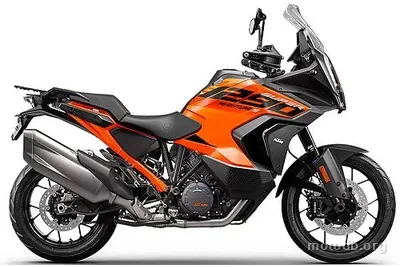
M.B - Photo constructeur
Standard equipment
- Assistance au freinage : ABS in curves
Practical info
- La moto est accessible aux permis : A
Indicators & positioning
Similar bikes
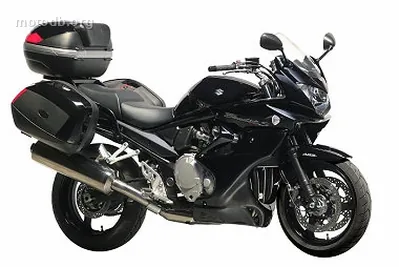
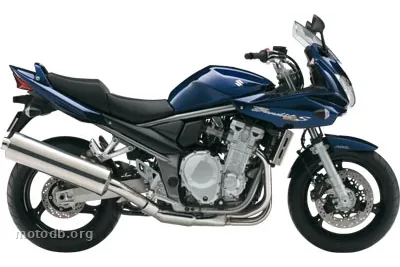
GSF 1250 bandit S Edition Limitee
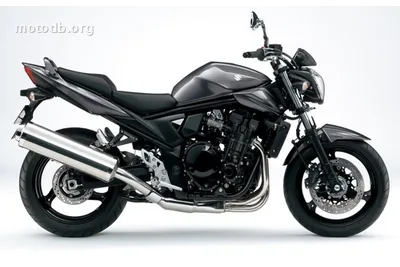
GSF 1250 bandit N
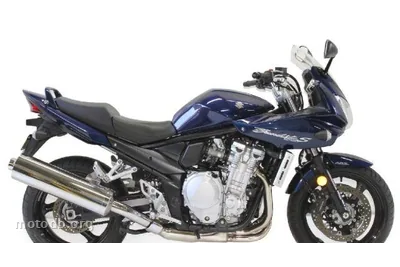
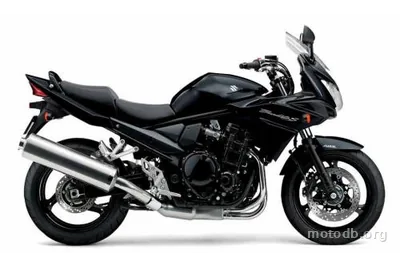
GSF 1250 Bandit S
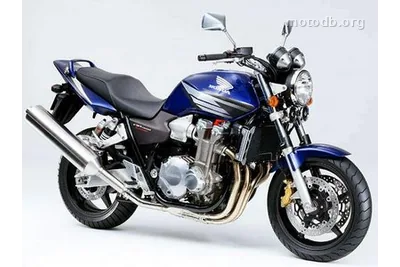
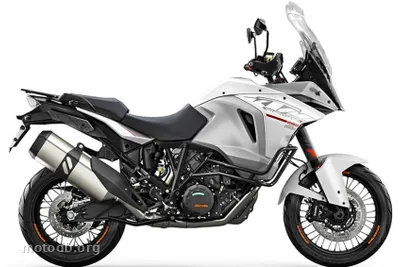
Reviews & comments
No reviews yet. Be the first to share your opinion!