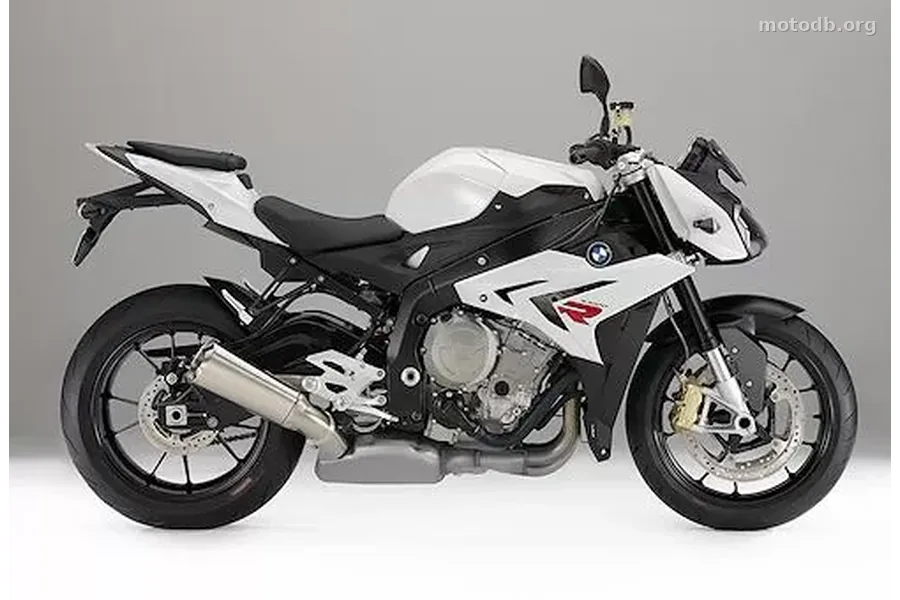
Key performance
Technical specifications
Engine
- Displacement
- 999 cc
- Power
- 160.0 ch @ 11000 tr/min (116.8 kW)
- Torque
- 112.0 Nm @ 9250 tr/min
- Engine type
- In-line four, four-stroke
- Cooling
- Liquid
- Compression ratio
- 12.0:1
- Bore × stroke
- 80.0 x 49.7 mm (3.1 x 2.0 inches)
- Valves/cylinder
- 4
- Camshafts
- 2 ACT
- Fuel system
- Injection. Electronic intake pipe injection/digital engine management including knock sensor (BMS-K-P)
- Valve timing
- Double Overhead Cams/Twin Cam (DOHC)
- Starter
- Electric
Chassis
- Frame
- Aluminium composite frame, partially self supporting engine
- Gearbox
- 6-speed
- Final drive
- Chain (final drive)
- Clutch
- Wet Clutch
- Front suspension
- Upside down telescopic fork and empty
- Rear suspension
- Aluminium dual swing arm, adjustable rear suspension
- Front wheel travel
- 120 mm (4.7 inches)
- Rear wheel travel
- 120 mm (4.7 inches)
Brakes
- Front brakes
- Double disc. ABS. Floating discs. Four-piston calipers.
- Rear brakes
- Single disc. ABS. Floating disc. Single-piston caliper.
- Front tyre
- 120/70-ZR17
- Front tyre pressure
- 2.50 bar
- Rear tyre
- 190/55-ZR17
- Rear tyre pressure
- 2.90 bar
Dimensions
- Seat height
- 814.00 mm
- Wheelbase
- 1439.00 mm
- Length
- 2057.00 mm
- Width
- 845.00 mm
- Height
- 1138.00 mm
- Fuel capacity
- 17.50 L
- Weight
- 207.00 kg
- Dry weight
- 178.00 kg
- New price
- 13 250 €
Overview
When Munich decides to play the brute, the result isn't a roadster, it's the BMW S 1000 R. This 2015 machine was born from a simple observation: the S 1000 RR had swept the circuits, and the street remained to be conquered. However, there was no question of seriously restricting the engine or cladding the beast in a reassuring fairing. The Bavarian method is the hammer, not the scalpel.
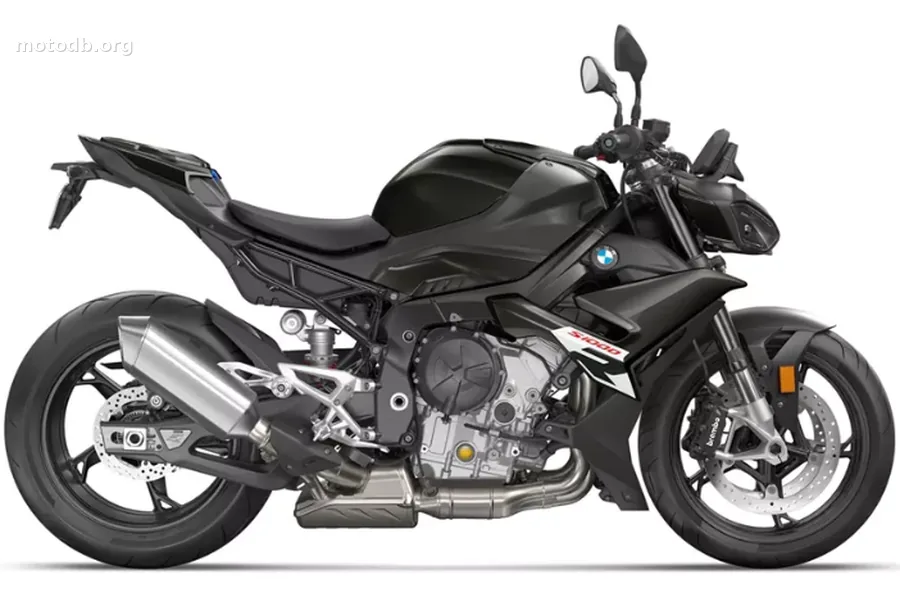
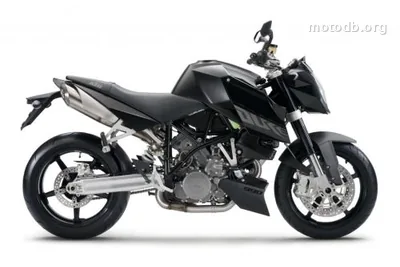
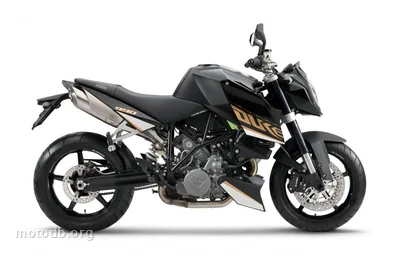
The inline four-cylinder engine with a displacement of 999 cm3 has undergone some revisions, with reprofiled camshafts and a redesigned cylinder head, but 160 horsepower at 11,000 rpm remains a declaration of war in the truest sense. The torque of 112 Nm peaks at 9,250 rpm, and the curve gains density where it really counts, between 3,000 and 7,500 rpm. As a result, the BMW S 1000 R bites from low revs before propelling you towards the horizon with a brutality that gives you pause. The Aprilia Tuono V4R and the KTM 1190 Super Duke R play in the same league, but neither can claim this direct lineage with a competition superbike. This is precisely where the BMW’s sledgehammer argument lies.
The chassis doesn't lie about its origins. The semi-perimeter aluminum frame, the 46 mm inverted fork, the competition swingarm, the double 320 mm discs with Brembo four-piston calipers, and the Race-ABS, all come from the racetrack with a slightly softened geometry for road use. The wheelbase of 1,439 mm gained a few millimeters compared to the RR, the steering angle has been revised, and the 207 kg when fully fueled remains a performance figure for such a muscular machine. Two riding modes are standard: Road and Rain, and an ASC traction control system. The DTC dynamic traction control and wheelie control modes are available as an option. The DDC damping, inherited from the HP4, is also available and automatically adjusts the settings according to the road profile. For a complete BMW S 1000 R test, this electronics package is frankly impressive for 2015.
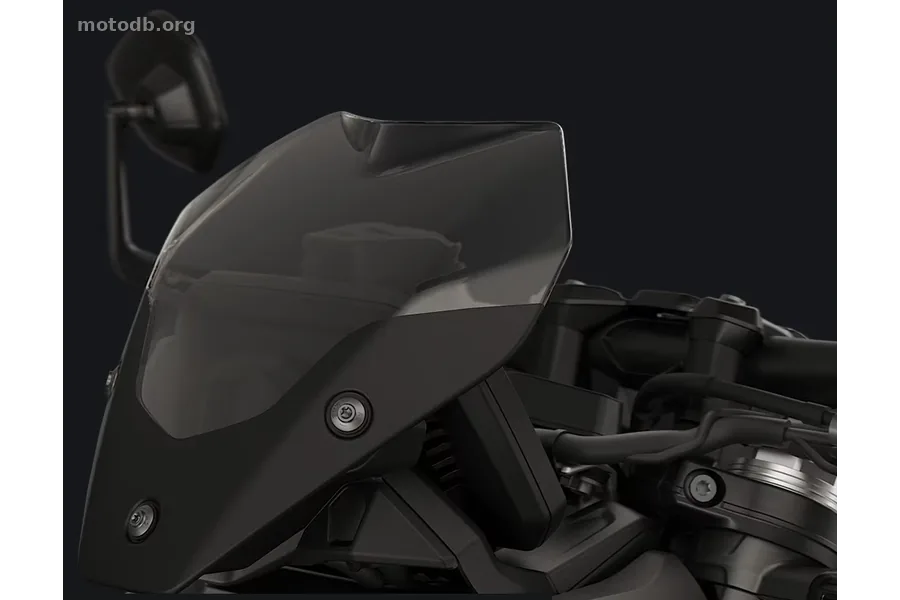
The ergonomics have changed planets compared to the RR. The 814 mm seat height, the lowered and slightly advanced footpegs, and the handlebar replacing the half-fairings offer an aggressive riding position without punishing your back. You can spend a day on it without ending up on your knees, which is the minimum expected of a streetfighter. The 17.5-liter tank provides adequate range, and the announced fuel consumption of around 5.4 liters per 100 kilometers is verified if you keep a light foot, which on this machine requires iron discipline. At 13,250 euros in the catalog, the BMW S 1000 R price remains justified against the Italian and Austrian competition, especially with this level of standard electronic equipment.
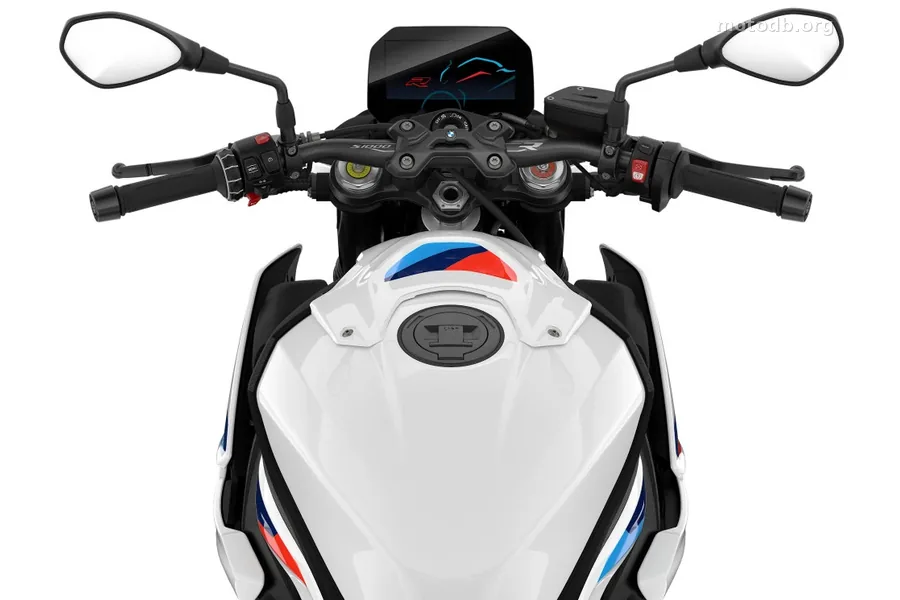
What this motorcycle isn’t, is a machine for everyone. A rider returning from a 650 cm3 machine and thinking of taming the BMW S1000R in two weekends is mistaken about the machine. The power is real, the reactions are direct, and the margin between a thrilling acceleration and a slide-out quickly diminishes if the fundamentals are lacking. More recent versions, which can be found as used BMW S 1000 R models or in the BMW S 1000 R 2017 and beyond, have refined the recipe without changing the DNA. This 2015 generation remains the most direct formulation of the initial idea: a superbike dressed for the street, without structural compromise, with just enough electronics to avoid the worst when talent is not enough.
Standard equipment
- Assistance au freinage : RACE-ABS as standard
Practical info
- La moto est accessible aux permis : A
Reviews & comments
No reviews yet. Be the first to share your opinion!