Key performance
Technical specifications
Engine
- Displacement
- 1649 cc
- Power
- 160.5 ch @ 6750 tr/min (116.8 kW)
- Torque
- 179.9 Nm @ 5250 tr/min
- Engine type
- In-line six, four-stroke
- Cooling
- Liquid
- Compression ratio
- 12.2:1
- Bore × stroke
- 72.0 x 67.5 mm (2.8 x 2.7 inches)
- Valves/cylinder
- 4
- Camshafts
- 2 ACT
- Fuel system
- Injection. Electronic fuel injection with ride-by-wire throttle system
- Valve timing
- Double Overhead Cams/Twin Cam (DOHC)
- Lubrication
- Dry sump
- Starter
- Electric
Chassis
- Frame
- Bridge-type, cast aluminum, load-bearing engine
- Gearbox
- 6-speed
- Final drive
- Shaft drive (cardan) (final drive)
- Clutch
- Multiple-disc clutch in oil bath
- Front suspension
- BMW Motorrad Duolever; central spring strut
- Rear suspension
- Cast aluminum single-sided swing arm with BMW Motorrad Paralever; central spring strut
- Front wheel travel
- 115 mm (4.5 inches)
- Rear wheel travel
- 135 mm (5.3 inches)
Brakes
- Front brakes
- Double disc. ABS. Four-piston calipers.
- Rear brakes
- Single disc. ABS. Two-piston calipers.
- Front tyre
- 120/70-ZR17
- Rear tyre
- 190/55-ZR17
Dimensions
- Seat height
- 750.00 mm
- Wheelbase
- 1618.00 mm
- Length
- 2324.00 mm
- Width
- 1000.00 mm
- Height
- 1440.00 mm
- Fuel capacity
- 26.50 L
- Weight
- 343.00 kg
- New price
- 27 440 €
Overview
When Euro 5 emissions regulations began to shake up engineering departments, many feared that Munich would sacrifice its cylinders on the altar of pollution reduction. BMW chose a different path with the new 2022 BMW K 1600 GT: to keep the 1649 cc six-cylinder engine intact, even if it meant overhauling everything around it. The gamble was risky. It is largely successful.
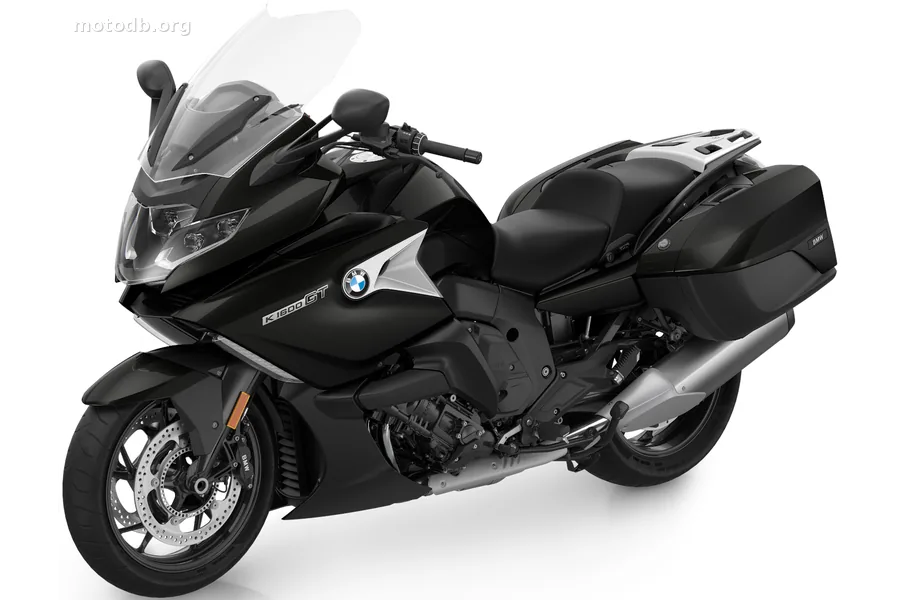
The heart of the problem was the brain. The new BMS-O engine management unit redistributes the cards without touching the mechanical architecture. The concrete result on the BMW K 1600 GT specifications: 160.5 hp remains, but now available 1000 rpm earlier, at 6750 rpm. Torque also increases slightly, from 175 to 179.9 Nm at 5250 rpm. This is not a radical change in figures, but a refinement. To complete the pollution reduction work, BMW added two additional lambda probes, bringing the total to four, as well as two knock sensors that continuously monitor combustion and adjust ignition timing cycle after cycle. The engine breathes better, consumes less pollutants, and according to the official specifications, manages with 5.7 liters per hundred kilometers. For a weight of 343 kg on the scale, this is almost a virtue.
The chassis, however, has not changed a single screw. The load-bearing aluminum frame, the Duolever at the front, the Paralever at the rear, the six-speed cardan transmission: all remain in place. What BMW has refined is the electronic management of the Dynamic ESA suspension, with automatic load compensation now standard. You load the cases, carry a passenger, the motorcycle recalculates its balance without you having to dive into a submenu. On the highway as well as on a winding national road, the footrests of the BMW K 1600 GT for highway use remain the same, but the motorcycle adapts automatically to the terrain. Those who have experienced the previous manual configuration will appreciate this. The Shifter Pro, borrowed from the S 1000 RR, remains a factory option for riders who want to upshift and downshift without a clutch despite the 343 kg to manage.
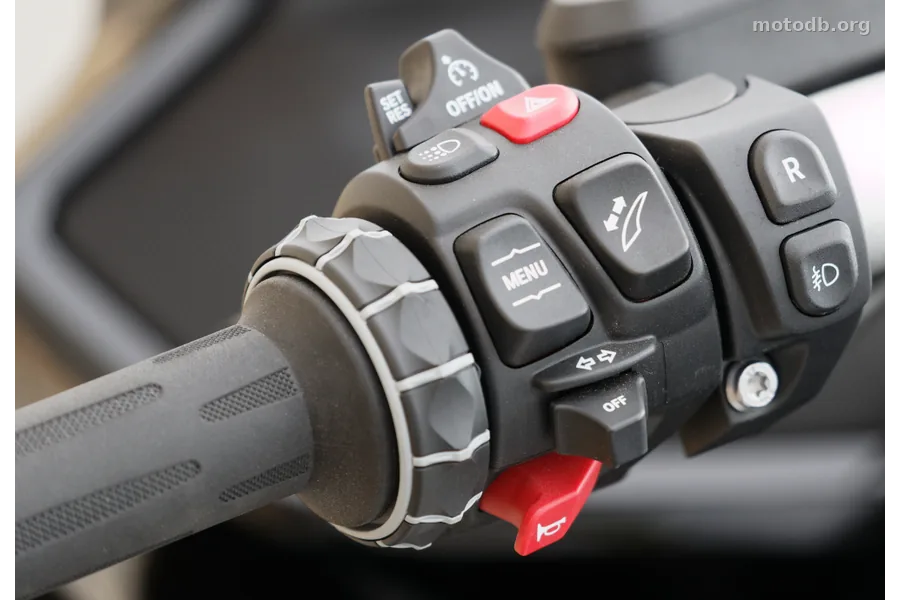
The cockpit, on the other hand, has undergone a serious overhaul. The 10.25-inch TFT screen replaces the old meters and directly integrates navigation. No need to graft a GPS as an accessory for the BMW K 1600 GT to avoid getting lost in the Alps. The directional LED headlight adjusts its range by plus or minus two degrees depending on braking and acceleration. The E-Call button, the sealed USB-C charger, the four configurable shortcut keys: BMW has densified the onboard electronics without making the dashboard unreadable, which was not a given. The Rain, Road, and Dynamic riding modes manage power, traction control, and damping according to the mood of the moment. The hill start assist and the motorized reverse gear complement an arsenal that clearly targets the cautious traveler as much as the experienced long-distance rider.
The question remains, especially when looking at the BMW K 1600 GT new price listed at €27,440. Faced with the Honda Gold Wing with DCT or the end-of-life Yamaha FJR1300, the BMW plays in a different league by the number of cylinders and the richness of the onboard technology. But this price immediately excludes the beginner category, and the weight of 343 kg with full tanks requires serious experience to be mastered in parking. The BMW K 1600 GT used remains a credible alternative for those who want to access this level of motorcycle without the cost of new. For the great traveler who accumulates European kilometers and is looking for a tool as refined as muscular, the top speed announced at 193 km/h is just one detail among a hundred other arguments. This motorcycle knows what it is and does not seek to convince everyone. This is already a form of Bavarian wisdom.
Standard equipment
- Assistance au freinage : ABS BMW Motorrad (partiellement intégral)
- Nombre de mode de conduite : 3
- Volume de rangement : 64 litres
- Taille de l'écran TFT couleur : 26,04 cm / 10.25 pouces
- Jantes aluminium
- Indicateur de vitesse engagée
- Régulateur de vitesse
- Radio
- GPS
- Prise USB
- Aide au démarrage en côte (Hill Hold Control)
- Marche arrière
- Contrôle de traction
- Poignées chauffantes
- Pare brise réglable électriquement
- Suspensions réglables électroniquement
- Valises
- Selle réglable
- Selle chauffante
- Phares adaptatifs en virage
- Contrôle du frein moteur
- Surveillance de la pression des pneus
Practical info
- La moto est accessible aux permis : A
Indicators & positioning
Similar bikes
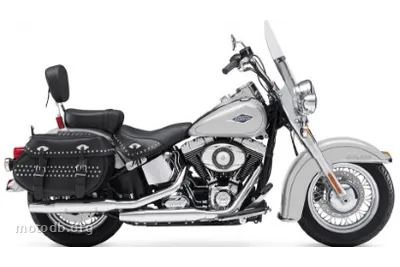
Heritage Softail Classic 110th Anniversary
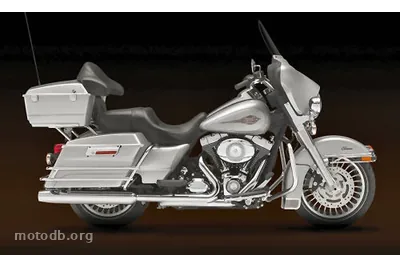
FLHTC Electra Glide Classic
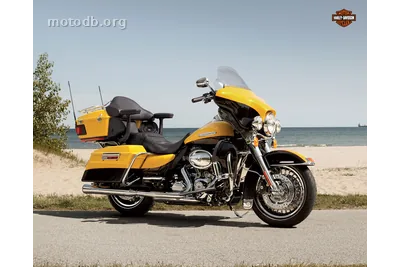
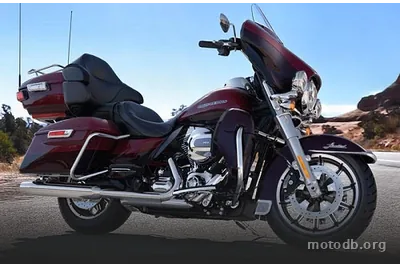
Electra Glide Ultra Limited 110th Anniversary
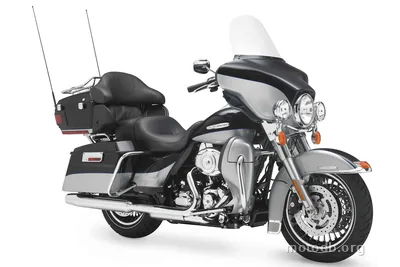
FLHTK Electra Glide Ultra Limited
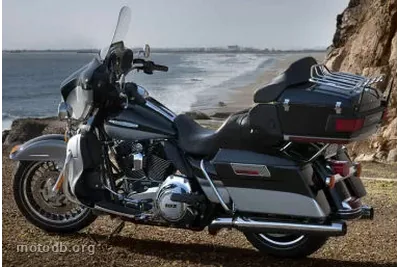
1690 ELECTRA GLIDE ULTRA LIMITED 110ème Anniversaire FLHTK
Reviews & comments
No reviews yet. Be the first to share your opinion!