Key performance
Technical specifications
Engine
- Displacement
- 899 cc
- Power
- 120.0 ch @ 10000 tr/min (88.3 kW)
- Torque
- 77.5 Nm @ 8500 tr/min
- Cooling
- liquide
- Compression ratio
- 12.5 : 1
- Bore × stroke
- 88 x 49.2 mm
- Valves/cylinder
- 4
- Camshafts
- 2 ACT
- Fuel system
- Injection Ø 53 mm
Chassis
- Frame
- treillis en tube d'acier relié à des éléments de fonderie
- Gearbox
- boîte à 6 rapports
- Final drive
- Chaîne
- Front suspension
- Fourche téléhydraulique inversée Ø 50 mm, déb : 120 mm
- Rear suspension
- Mono-amortisseur, déb : 120 mm
Brakes
- Front brakes
- Freinage 2 disques Ø 320 mm, étrier 4 pistons
- Rear brakes
- Freinage 1 disque Ø 240 mm, étrier 2 pistons
- Front tyre
- 120/70-17
- Front tyre pressure
- 2.40 bar
- Rear tyre
- 190/50-17
- Rear tyre pressure
- 2.50 bar
Dimensions
- Seat height
- 830.00 mm
- Fuel capacity
- 16.00 L
- Dry weight
- 205.00 kg
- New price
- 12 125 €
Overview
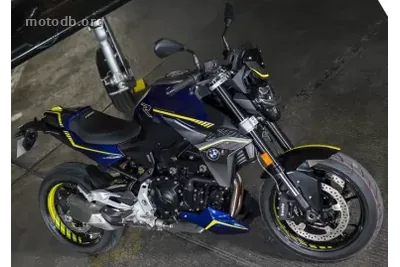
Browsing Benelli's catalogue in 2014 meant venturing into minefield territory between desire and reason. The TnT 1130 had the reputation of a cold-blooded animal, capable of wrenching your neck before you'd even reached halfway around the rev counter. So when the Pesaro firm unveiled its 899 cc version, many shrugged it off as a straightforward commercial exercise. A misjudgement.
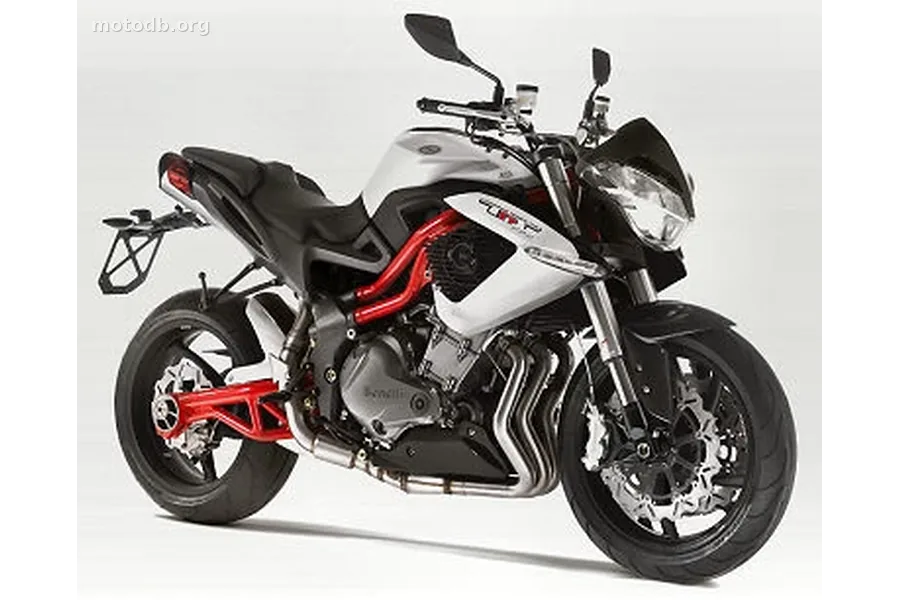
This 899 cc three-cylinder produces 120 horsepower at 10,000 rpm and 77.5 Nm of torque at 8,500 rpm. On paper, it reads as something reasonable, almost sensible. In practice, it's an engine that lives, growls, and pulses with a well-tempered character across the entire rev range. The motor never truly drops off — it pulls cleanly from low rpm and wakes up decisively mid-range, right where you ask it to commit. Compared to a Ducati Monster 821 or a Street Triple 675 of the same era, the Benelli plays in the same league for raw sensation, with a distinctly Italian three-cylinder sound that belongs to it alone. The electronic management still lacks refinement on certain throttle transitions, but it's a flaw you end up integrating into your riding style, almost like a signature.
The chassis is the same as the larger 1130 sibling: steel tubular trellis frame with cast elements, 50 mm upside-down forks with 120 mm of travel, rear monoshock, twin 320 mm front discs gripped by four-piston calipers. Two hundred and five kilograms wet on the scales, which remains reasonable for the category. The 830 mm seat height demands a decent inseam, and the sporty ergonomics offer no tolerance for approximation. This machine is ridden with commitment; it doesn't guide the novice — it expects the rider to know what they want. Weight transfers are well managed, steering is precise without being twitchy, and the whole package inspires confidence once you push the pace on a winding road. In town, it's another story: the turning radius calls for anticipation, engine heat makes itself known in warm weather, and the complete absence of storage or wind protection serves as a constant reminder that this machine has no utilitarian ambitions whatsoever.
The most questionable point remains the instrumentation. An analogue speedometer with a digital window for secondary information display — it's functional, but for €12,125, you might have expected better. Japanese competition at this price point offers dashboards that are considerably more comprehensive. Overall finish has improved compared to early versions, with better-finished engine covers and a few neat details such as the carbon front mudguard and seat stitching. It's a genuine step forward, even if the whole package still doesn't rival the fit and finish of a BMW S 1000 R from the same period.
This 899 is clearly aimed at an experienced rider seeking character and originality, without the budget or the desire to manage the 1130's 155 horsepower. It's also Benelli's way of existing in a fiercely contested segment, playing the identity card rather than the numbers game. The bike makes no compromises on character, it doesn't apologise for being demanding, and it delivers an experience that few roadsters in this displacement class can claim. For those who accept its trade-offs, it's a coherent and committed proposition; for those seeking everyday versatility, it's best to look elsewhere.
Practical info
- La moto est accessible aux permis : A
Indicators & positioning
Similar bikes
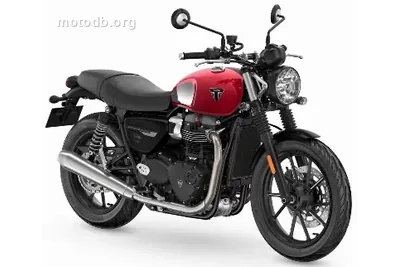
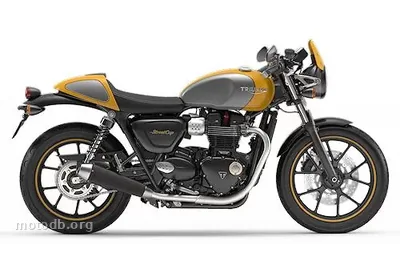
900 Speed Twin Green Stealth Edition
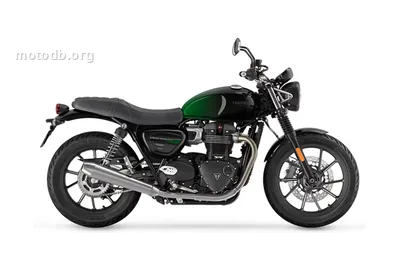
Speed Twin 900 Stealth Edition
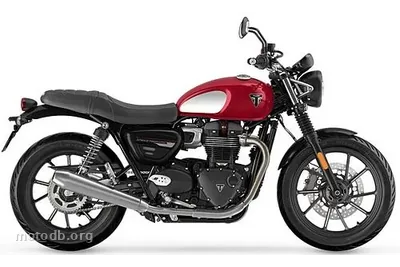
nouvelle 900 Speed Twin
Reviews & comments
No reviews yet. Be the first to share your opinion!