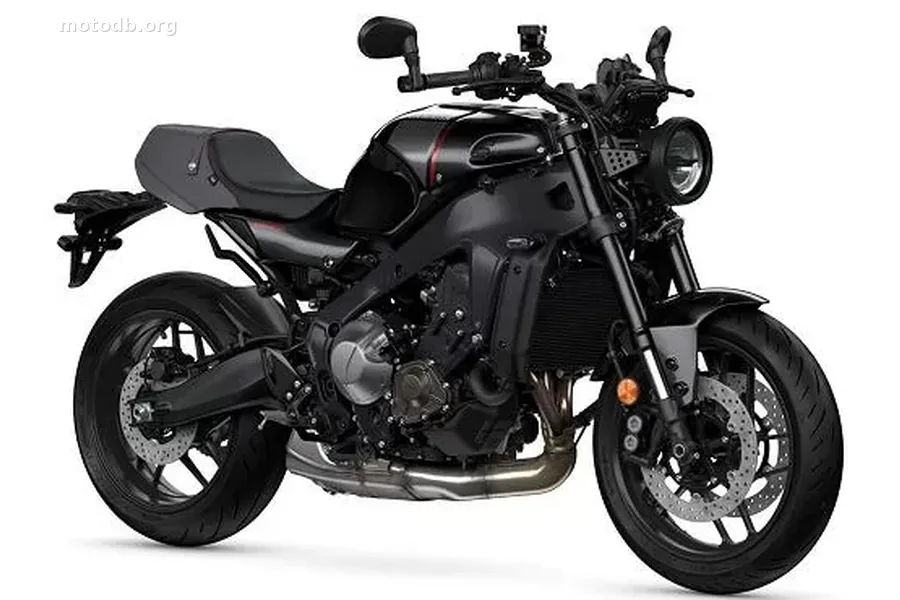
Key performance
Technical specifications
Engine
- Displacement
- 889 cc
- Power
- 119.0 ch @ 10000 tr/min (87.5 kW)
- Torque
- 93.0 Nm @ 7000 tr/min
- Cooling
- liquide
- Compression ratio
- 11.5 : 1
- Bore × stroke
- 78 x 62.1 mm
- Valves/cylinder
- 4
- Camshafts
- 2 ACT
- Fuel system
- Injection
- Starter
- électrique
- Euro standard
- Euro 5+
Chassis
- Frame
- périmétrique en aluminium
- Gearbox
- boîte à 6 rapports
- Final drive
- Chaîne
- Front suspension
- Fourche téléhydraulique inversée réglable de 41 mm, déb : 130 mm
- Rear suspension
- Mono-amortisseur, déb : 137 mm
Brakes
- Front brakes
- Freinage 2 disques Advics Ø 298 mm, fixation radiale, étrier 4 pistons
- Rear brakes
- Freinage 1 disque Ø 245 mm, étrier simple piston
- Front tyre
- 120/70-17
- Front tyre pressure
- 2.50 bar
- Rear tyre
- 180/55-17
- Rear tyre pressure
- 2.90 bar
Dimensions
- Seat height
- 810.00 mm
- Seat type
- Selle biplaces
- Fuel capacity
- 14.00 L
- Weight
- 193.00 kg
- New price
- 11 199 €
Overview
The XSR 900 abandons its small 3.5-inch TFT screen for a more serious 5-inch version. Connected, featuring 3 display themes, it accompanies the few 2025 changes to the Yamaha neo-retro model. These concern Euro5+ compliance and a new seat. Just what’s needed to keep the line fresh and reignite interest.
It begins with a volatile emotion. Almost a scent of dust on a brand-new package. Grains tickling the nostrils can bring back memories from the depths of the mind. A scent of brake cleaner or a colorful look. And seeing the XSR 900, we immediately thought of a seasoned veteran pulling out a pack of Marlboro to light an electronic cigarette.
That’s also what neo-retro is. Design inspired by the old, dressing today’s technology. At Yam, the XSR line carries the nostalgic banner – Sport Heritage segment, Faster Sons family. It has nothing to do with Yard Built models, although their influence can be felt in this 900. It may seem half complicated, half incomprehensible.
As it is totally undrinkable as strategico-marketing dialect. So, we’re going to quickly refocus on the motorcycle itself. A handlebar, an engine, and some growl on the seat are much more pleasant than Tolkien-esque terms.
Let’s admit that the XSR 900 has managed to extend its identity into a new generation, quite different while remaining identifiable. The fuel tank has gained strength, air vents, and a liter (15 liters capacity); the mirrors have migrated to the ends of the handlebars; the radiator is more discreet; trim under the seat has replaced the small perforated aluminum plates; as for the seat! It’s nothing like it used to be. The tapered seat ending in a round headlight has transformed into a faux single-seat with a backrest. The taillight is cleverly hidden, and much better than the passenger footpegs. Their branches pivot to run along the rear frame, streamlining the style. An idea already seen on the Ducati Diavel. Except that the Italian manages to completely mask their presence. On the Yam’, it looks like a hack job.
Cool, the control units are no longer on the sides of the frame. Re-cool, the presence of a sport brake reservoir gives more look and dynamism to the cockpit. Less cool, the rear fender has become visually unbearable with the new seat, while the front fender becomes common – finished with the metal supports.
Like yesterday, it’s an MT-09 underneath. That means quite a few modifications to the engine and chassis. The engine benefits from its additional 43 cc to output a few more horsepower. 4 gained to offer 119 horsepower once the 10,000 rpm mark is reached. The main winner in the story is torque. It goes from 8.9 mkg to 9.5 mkg, reached much earlier than with the old block. Thank the increased displacement as well as the modified internal elements: pistons, connecting rods, ACT, injector positioning, and exhaust system overhaul. An assisted slipper clutch facilitates lever action and manages rear wheel torque.
This engine has always been full of spirit, even impetuous. The latest version of the MT-09 showed a slightly more supple face, less wild, for a more homogeneous riding feel. The XSR goes even further in this spirit. Its riding position is less aggressive than on the streetfighter, the footpegs are adjustable in two heights, and the geometry favors stability more. A much longer swingarm increases the wheelbase from 1440 mm to 1495 mm. Quite an extension, which could have an impact on the machine's liveliness.
But that’s without counting on the chassis optimizations, especially the SpinForged lightweight rims. 700 grams less on the unsprung masses, that’s a benefit at every turn. The frame, also supplied by the MT-09, is optimized everywhere in rigidity. With variable wall thicknesses, a lower steering column, and reduced inertia around its axis. Same for the suspension. The transfer between cushions brings the 41 mm inverted Kayaba fork, its suspension damper of the same origin, multiple adjustments at the front, and a small change, a few mm more of rear travel (15 mm).
The braking system doesn’t change for the base part. Two 298 mm discs with radial 4-piston calipers. It’s the control system that evolves, with a radial Brembo master cylinder. Let’s not forget the ABS, acting in two forms now. Either standard, or cornering reactive. That means there is now an inertial unit on board. So, more effective and certainly more numerous assistances than on the ex-XSR. Let’s make a complete list, with a * when it’s new for it: 4 Riding Modes (* instead of 3), cruise control *, up & down shifter *, ABS (cornering *), wheelie control *, traction control (angle-sensitive *) and slide control *.
Modules are hidden under the riding feel. Think of the new LED headlight mounted on aluminum plates (more discreet than before). Look at the semi-perforated fork caps, the solid aluminum machined upper triple clamp, the aluminum underside of the seat plate (what interest?), the quick Zeus fasteners for the seat-tank panels, the topstitching on the seat, the YZR 500 poster… Oops, you’ll have to search in the old magazines, in the center, and be careful of the staples.
How many are we at? 8th dose, 12th dose… But no, 3rd dose of the CP3 engine for Yamaha 889 cc models. The improved three-cylinder was first installed on the MT-09 phase 3, then almost immediately on the Tracer 9. A little time to let the market breathe and here it is in a largely renewed XSR 900. It benefits from a more pleasant engine, a chassis and a riding position less aggressive than the MT, a hypnotic replica color scheme and more complete electronics.
M.B- Photos manufacturer
Standard equipment
- Assistance au freinage : ABS
- Nombre de mode de conduite : 4
- Taille de l'écran TFT couleur : 12,70 cm / 5 pouces
- Jantes aluminium
- Shifter
- Indicateur de vitesse engagée
- Régulateur de vitesse
- Bluetooth
- Contrôle de traction
- Contrôle anti wheeling
- Jantes forgées
- Contrôle de glisse
- Embrayage anti-dribble
- Repose-pieds réglables
Practical info
- Véhicule accessible au permis A2 ou bridable à 47.5ch / 35 Kw
- La moto est accessible aux permis : A, A2
Indicators & positioning
Similar bikes
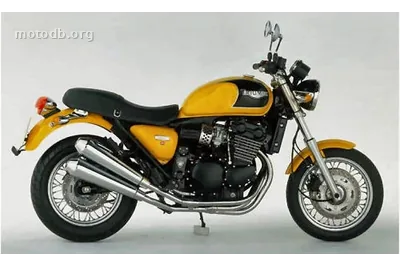
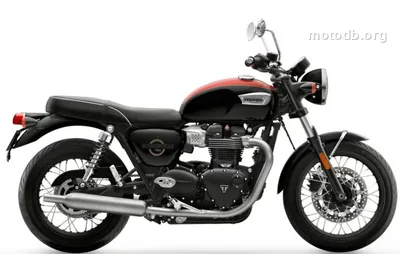
Thunderbird Sport
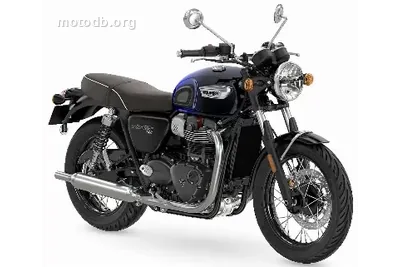
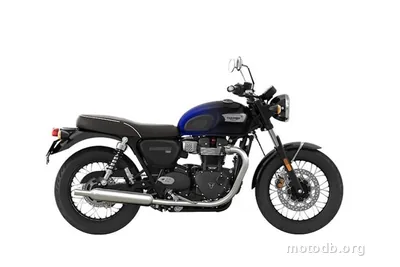
900 Bonneville T 100 Icon Edition
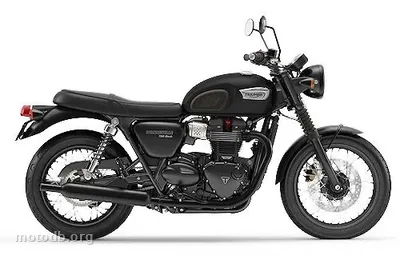
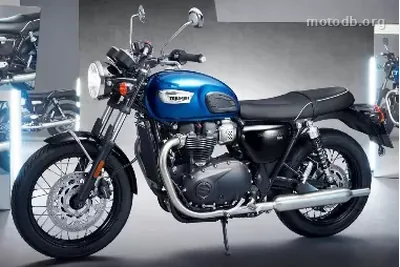
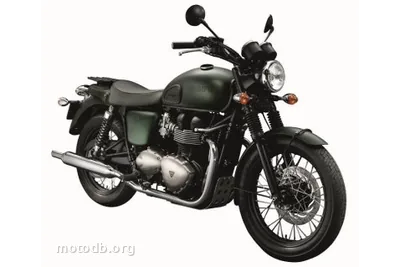
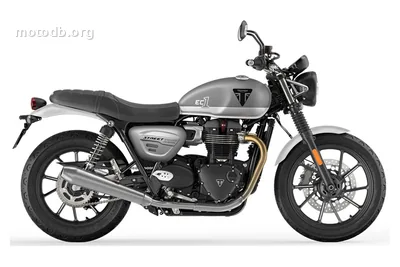
900 Bonneville T 100 Blue Stealth Edition
Reviews & comments
No reviews yet. Be the first to share your opinion!