Key performance
Technical specifications
Engine
- Displacement
- 847 cc
- Power
- 115.0 ch @ 10000 tr/min (84.6 kW)
- Torque
- 87.3 Nm @ 8500 tr/min
- Cooling
- liquide
- Compression ratio
- 11.5 : 1
- Bore × stroke
- 78 x 59.1 mm
- Valves/cylinder
- 4
- Camshafts
- 2 ACT
- Fuel system
- Injection
Chassis
- Frame
- type diamant
- Gearbox
- boîte à 6 rapports
- Final drive
- Chaîne
- Front suspension
- Système multi-essieux avec double fourche inversée LMW
- Rear suspension
- Mono-amortisseur, déb : 125 mm
Brakes
- Front brakes
- Freinage 2 disques Ø 298 mm, fixation radiale, étrier 4 pistons
- Rear brakes
- Freinage 1 disque Ø 282 mm, étrier simple piston
- Front tyre
- 120/70-15
- Front tyre pressure
- 2.25 bar
- Rear tyre
- 190/55-17
- Rear tyre pressure
- 2.90 bar
Dimensions
- Fuel capacity
- 18.00 L
- Weight
- 263.00 kg
- New price
- 14 999 €
Overview
Three wheels, so what? Ever since tilting-front-end scooters paved the way, everyone was waiting for a manufacturer to take the plunge with a real motorcycle. Yamaha did it with the Niken 900, and the result is as divisive as it is fascinating. What we have here is a mechanical object with no equivalent, a machine that refuses to fit into any box and forces every rider to ask the question: do I really need two front wheels to have a blast on the road?
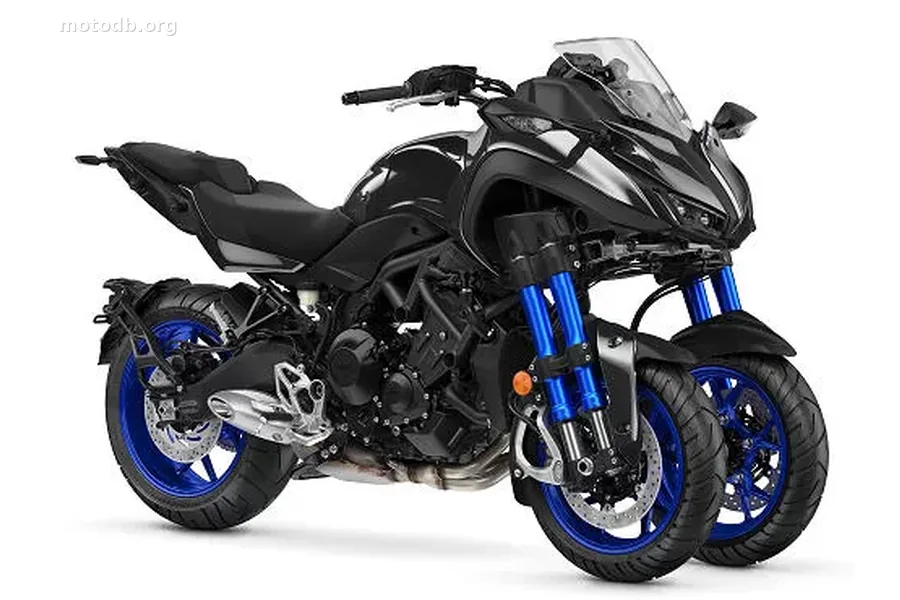
The heart of the beast is the 847 cc CP3 triple, the same engine found in the MT-09 and the Tracer 900. How much horsepower does the Yamaha Niken 900 have? Exactly 115, delivered at 10,000 rpm, with 87.3 Nm of torque peaking at 8,500 rpm. This engine is one we know inside out: fierce in the midrange, responsive to the throttle, always ready to rip. The issue is that this powerplant has evolved across Yamaha's entire 900 lineup since 2021, gaining displacement and electronic refinements. The Niken, however, remains frozen in its original configuration. Yamaha seems to have forgotten to give it that final coat of polish.
But the real show is up front. The Leaning Multi-Wheel system consists of two independent inverted forks, each carrying a 15-inch wheel fitted with 120/70 tires. Two 298 mm radially mounted discs with four-piston calipers: the braking bites hard and inspires confidence. This multi-axle setup absorbs road imperfections with a consistency that leaves you speechless. On rough roads, where a conventional naked bike would have you clenching, the Niken swallows hazards without flinching. The stability on lean is real, measurable, not a marketing gimmick. For riders drawn to spirited riding but put off by managing balance at low speed, that's a compelling argument. And speaking of which: what does the Yamaha Niken weigh? 263 kg wet. That's no small figure. We're in big adventure bike territory, except the tank only holds 18 liters and the overall footprint remains compact. The diamond frame and dedicated swingarm partly offset this mass with a well-placed center of gravity.
The real question is positioning. What does a Yamaha Niken 900 cost? Count on €14,999 new, which puts it up against very different machines. For that money, you could have a fully loaded Tracer 9 GT or a BMW F 900 XR with budget left over for braided brake lines and accessories. The GT version of the Niken, sometimes available used around €10,500 for a low-mileage 2021 model, becomes a more tempting proposition. The Yamaha Niken 900 requires an A-class license, with no special restrictions related to its architecture. It is a motorcycle in the regulatory sense, even if it doesn't have the classic profile.
Who is it for? Touring enthusiasts with an open mind, riders who rack up miles in all weather and want an extra layer of passive safety up front. Not for track riders — the weight rules that out. Not for beginners — the size demands confidence. The Niken 900 is a machine born of conviction, built for those willing to trade a bit of lightness for a level of front-end grip that nothing else on the market can offer. Yamaha has a truly unique concept on its hands. The question remains whether the three-tuning-fork manufacturer will finally give it the mechanical and electronic update it deserves, or let it quietly age at the back of the catalog.
Standard equipment
- Assistance au freinage : ABS
Practical info
- La moto est accessible aux permis : A
Indicators & positioning
Similar bikes
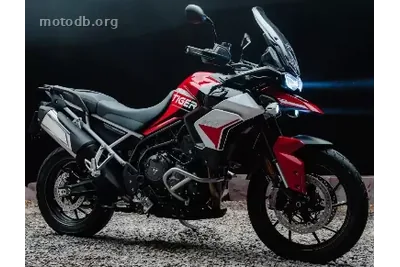
Tiger 900 GT Pro Aragon Edition
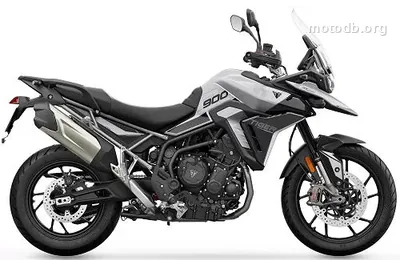
Tiger 900 GT Pro
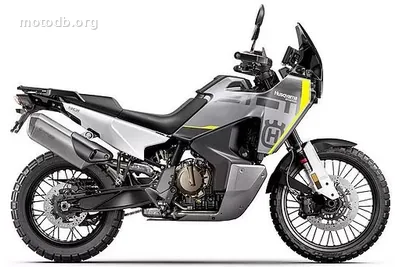
Norden 901
Reviews & comments
No reviews yet. Be the first to share your opinion!