Key performance
Technical specifications
Engine
- Displacement
- 799 cc
- Power
- 95.0 ch @ 9300 tr/min (69.9 kW)
- Torque
- 79.4 Nm @ 7850 tr/min
- Cooling
- liquide
- Bore × stroke
- 74 x 61.9 mm
- Valves/cylinder
- 4
- Camshafts
- 2 ACT
- Fuel system
- Injection
Chassis
- Frame
- treillis tubulaire en tubes d'acier
- Gearbox
- boîte à 6 rapports
- Final drive
- Chaîne
- Front suspension
- Fourche téléhydraulique inversée Ø 45 mm, déb : 220 mm
- Rear suspension
- Mono-amortisseur, déb : 215 mm
Brakes
- Front brakes
- Freinage 2 disques Ø 308 mm, étrier 2 pistons
- Rear brakes
- Freinage 1 disque Ø 255 mm, étrier simple piston
- Front tyre
- 90/90-21
- Rear tyre
- 150/70-17
Dimensions
- Seat height
- 845.00 mm
- Fuel capacity
- 19.00 L
- Weight
- 215.00 kg
- New price
- 10 250 €
Overview
When Triumph launched the first Tiger in 1993, it was a large three-cylinder touring bike, a little too refined to dirty its paint. Twenty years later, the tide has turned. Adventure is fashionable, and the British manufacturer, a little envious of seeing BMW GS models monopolize trails, decides to build a strong contender in the mid-size trail category. The 2013 Tiger 800 XC is that response, a machine that loudly proclaims its desire for dirt beneath its tires.
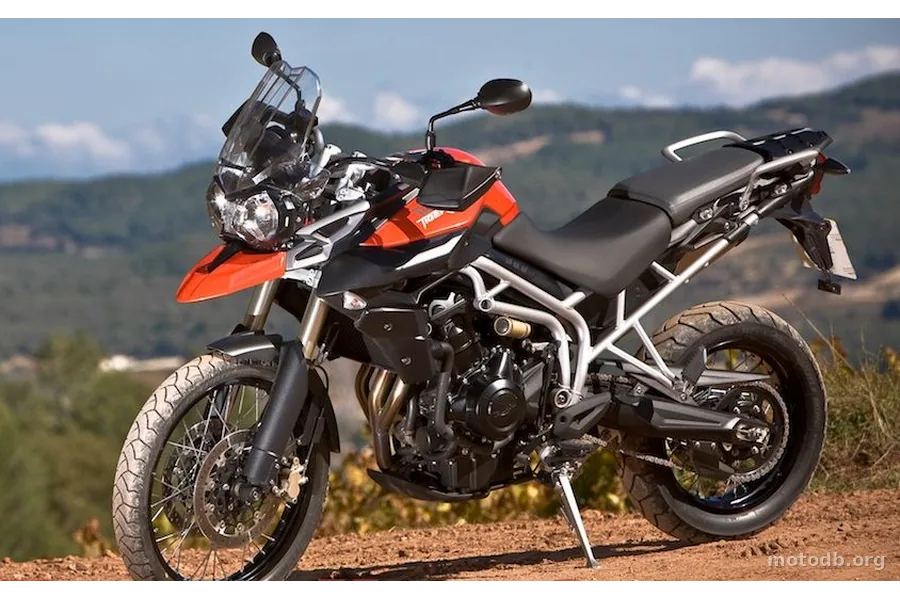
It must be said that it looks the part. With its large nose, handguards, 19-liter fuel tank, and especially its spoked wheels – a 21-inch front wheel that announces its intentions – this Tiger doesn’t joke around. The 45 mm inverted fork offers 220 mm of travel, and the seat rises 845 mm from the ground. It's far from a touring trail bike; here, you feel the intention to clear obstacles. The steel trellis frame, very GS in spirit, contributes to this impression of robustness. The weight remains, 215 kg fully fueled, a figure that will quickly remind you of its limitations as soon as the road becomes uneven.
The heart of the beast is this 799 cm3 three-cylinder engine, a signature Triumph architecture. The brand reworked the Street Triple block, increasing bore and stroke to prioritize torque over high-revving horsepower. The result is convincing: 79.4 Nm available at 7850 rpm, and 95 horsepower at 9300 rpm. On paper, this hits the German competitor, the BMW F 800 GS, right between the eyes. The Teuton, with its twin-cylinder, delivers similar torque but earlier, and also boasts a lower weight. In return, the Triumph counters with a dozen horsepower more and a price, at the time, slightly more aggressive around 10,250 euros. The battle of mid-size trails is launched.
On the road, the three-cylinder is a delight. It is supple, full of resources, and its generous character in the mid-range makes you forget the slight excess weight. The six-speed gearbox is precise, the brakes (two 308 mm front discs) are effective, and the ABS, which can be disconnected, is a welcome safety net. But that's where the shoe pinches. As soon as you leave the asphalt for a slightly technical trail, the 215 kilos remind you. It’s not a machine for off-road beginners; it requires strength and anticipation. It excels on wide trails, country roads, loaded trips, but it’s not a disguised enduro.
Ultimately, who is the Tiger 800 XC for? The adventurous globetrotter who wants to treat himself to dirt excursions without sacrificing the comfort and punch of a three-cylinder on the asphalt. It’s an excellent compromise, wilder than its XR version, which is purely road-focused, but less radical than a true off-road machine. Triumph has managed to inject a real dose of adventurous soul into its range, even if, to face the Amazon jungle, it’s better to have strong arms. It’s a well-fed Indiana Jones, elegant and cultured, but who still prefers to avoid finding the motorcycle on his back in a ford.
Standard equipment
- Assistance au freinage : ABS en option
Practical info
- La moto est accessible aux permis : A
Indicators & positioning
Similar bikes
Scrambler Cafe Racer
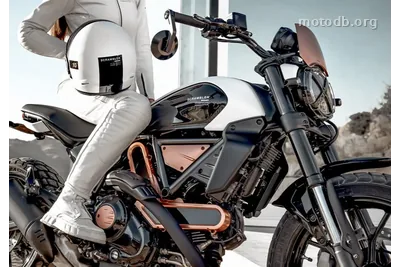
Scrambler 800 10° Anniversario Rizoma Edition
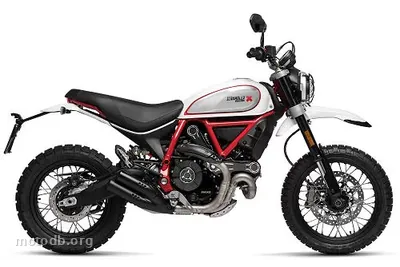
SCRAMBLER 800 Desert Sled
Reviews & comments
No reviews yet. Be the first to share your opinion!