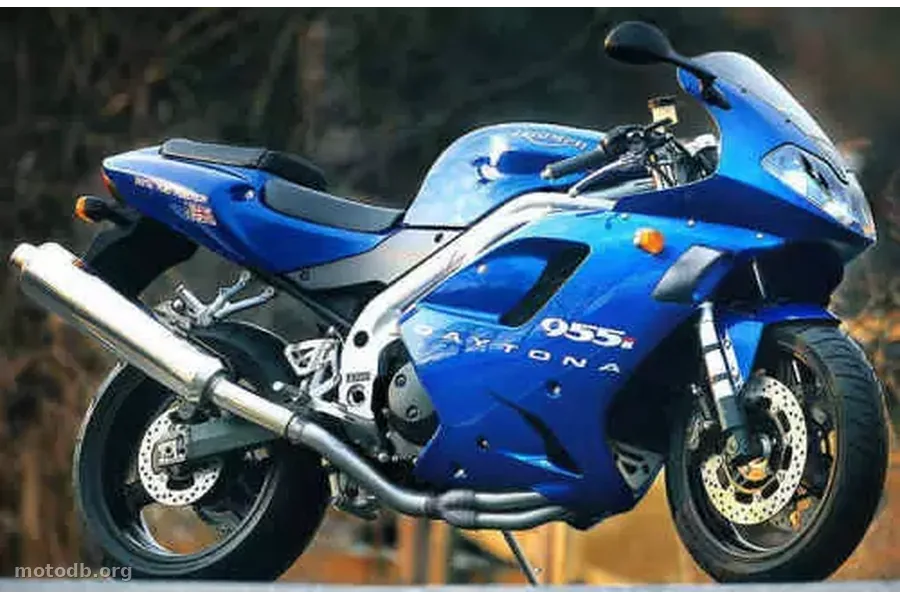
Key performance
Technical specifications
- Fuel system
- Injection. Multipoint sequential electronic fuel injection → Injection
- Ignition
- Digital - inductive type - via electronic engine management system → —
- Frame
- Tubular, fabricated aluminium alloy perimeter → multitubulaire en alu
- Clutch
- Wet, multi-plate → —
- Front suspension
- 45mm forks with dual rate springs and adjustable preload, compression and rebound damping → Fourche téléhydraulique Ø 45 mm, déb : 120 mm
- Rear suspension
- Monoshock with adjustable preload, rebound and compression damping → Mono-amortisseur, déb : 140 mm
- Front brakes
- Double disc. 4-piston calipers → Dual disc
- Rear brakes
- Single disc. 2-piston calipers → Single disc
- Front tyre
- 120/70-ZR17 → 120/70-17
- Rear tyre
- 190/50-ZR17 → 190/50-17
- Wheelbase
- 1426.00 mm → 1417.00 mm
- Length
- 2112.00 mm → 2072.00 mm
- Fuel capacity
- 16.60 L → 21.00 L
- Dry weight
- 191.00 kg → 188.00 kg
Engine
- Displacement
- 955 cc
- Power
- 149.0 ch @ 10700 tr/min (108.8 kW)
- Torque
- 100.0 Nm @ 8200 tr/min
- Engine type
- In-line three, four-stroke
- Cooling
- Liquid
- Compression ratio
- 12.0:1
- Bore × stroke
- 79.0 x 65.0 mm (3.1 x 2.6 inches)
- Valves/cylinder
- 4
- Camshafts
- 2 ACT
- Fuel system
- Injection
- Valve timing
- Double Overhead Cams/Twin Cam (DOHC)
Chassis
- Frame
- multitubulaire en alu
- Gearbox
- 6-speed
- Final drive
- Chain (final drive)
- Front suspension
- Fourche téléhydraulique Ø 45 mm, déb : 120 mm
- Rear suspension
- Mono-amortisseur, déb : 140 mm
Brakes
- Front brakes
- Dual disc
- Rear brakes
- Single disc
- Front tyre
- 120/70-17
- Front tyre pressure
- 2.50 bar
- Rear tyre
- 190/50-17
- Rear tyre pressure
- 2.90 bar
Dimensions
- Seat height
- 815.00 mm
- Wheelbase
- 1417.00 mm
- Length
- 2072.00 mm
- Width
- 725.00 mm
- Height
- 1165.00 mm
- Fuel capacity
- 21.00 L
- Weight
- 219.00 kg
- Dry weight
- 188.00 kg
- New price
- 11 900 €
Overview
Remember the early 2000s, when Japanese bikes dominated the sports bike scene with R1s and Fireblades setting the rules. In this context, the Triumph Daytona 955i presented itself as an outsider, a machine with a strong character, forged around its famous three-cylinder engine. The generation launched in 2002, often sought after today as a used bike, marks an important step in the evolution of the lineage. Triumph decided to play the card of rationalization, adopting an almost Japanese approach to get closer to the segment's benchmarks.
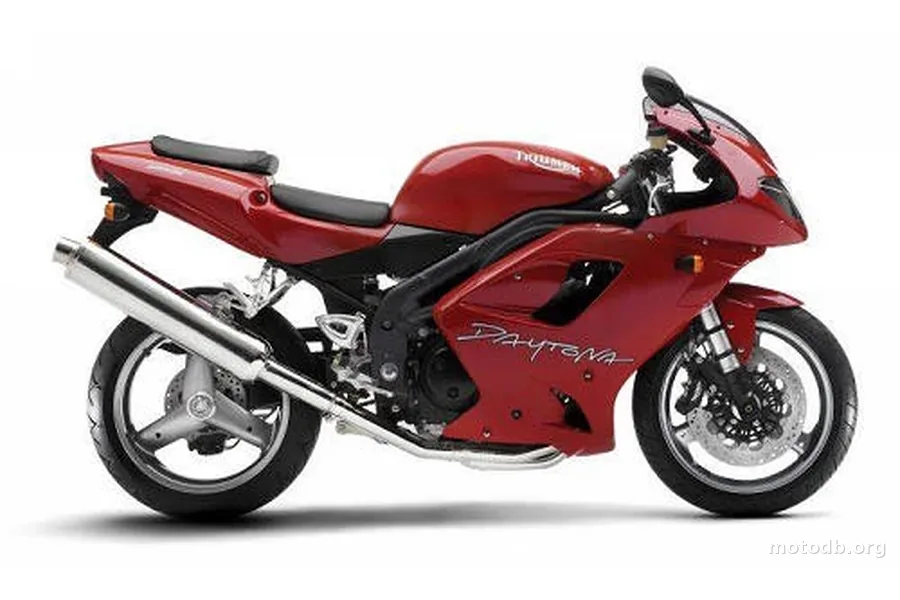
The work is tangible. The fairing has been revised, loses a kilo, and adopts lines that evoke, without plagiarizing, some Honda models of the time. Under this new face, engineers have also shaved weight and extracted power. The reworked cylinder head and intake allow this 955 cc engine to release 149 horsepower at 10,700 rpm, making this Daytona 955i the most powerful European sports bike of its time. With a dry weight announced at 188 kg, the figures are respectable. The aluminum multi-tubular frame remains a signature, but some details like the instrument cluster or the absence of a monobrach on the standard version may disappoint purists. Triumph will offer a Centenary edition for them, with a superb monobrach and a green livery, a true collector's item for fans of the brand.
But the essential thing lies in the riding experience. This three-cylinder engine is an intoxicating mechanical experience, with a unique sound and a torque of 100 Nm available fairly high, at 8200 rpm. It offers greater flexibility than a twin and a liveliness in the revs that makes it very playful. The riding position is more committed than on the previous T595, with a saddle at 815 mm and clip-on handlebars that encourage you to lean forward. Improved geometry and a refined fuel tank make the machine more agile, easier to put on the lean. It is excellent on the road, stable thanks to a rigorous chassis and an effective 45 mm fork. However, with 219 kg all fueled up, it has not yet lost enough mass to compete with the best on the track. Its front braking is very good, but the rear, as often on these generations, remains a weak point. And you need to moderate the throttle on exit from corners, because an excess can easily widen the trajectory.
This 2002 Triumph Daytona 955i, and the models of the years around like 2001, 2003 or until 2006, therefore constitutes an interesting proposition for the sporty touring rider looking for an alternative to the Japanese bikes. It will never be the most radical or the lightest, but it carries a strong personality, a captivating mechanical experience, and a history that still attracts an active community today, visible on forums dedicated to the Triumph Daytona 955i. For those considering an acquisition, consulting a Triumph Daytona 955i workshop manual is a wise precaution, as it requires a certain level of expertise. It is a motorcycle that has progressed, which offers a lot of pleasure, but which remains faithful to its identity: a British sports bike that often prefers charm to absolute cold efficiency.
Practical info
- La moto est accessible aux permis : A
Indicators & positioning
Similar bikes
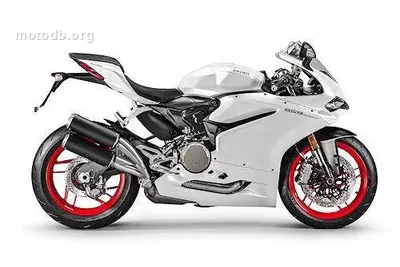
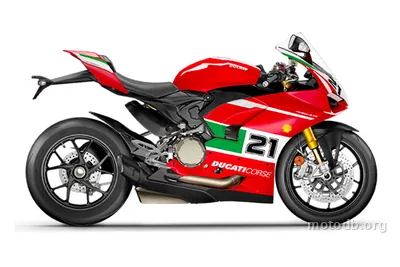
Panigale V2 Bayliss
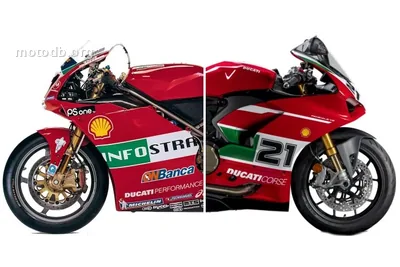
Panigale V2 Bayliss 1st Championship 20th Anniversary
Reviews & comments
No reviews yet. Be the first to share your opinion!