Key performance
Technical specifications
Engine
- Displacement
- 296 cc
- Power
- 39.0 ch @ 11000 tr/min (28.7 kW)
- Torque
- 27.5 Nm @ 10000 tr/min
- Engine type
- Bicylindre en ligne, 4 temps
- Cooling
- liquide
- Compression ratio
- 10.6 : 1
- Bore × stroke
- 62 x 49 mm
- Valves/cylinder
- 4
- Camshafts
- 2 ACT
- Fuel system
- Injection Ø 32 mm
Chassis
- Frame
- tubulaire en acier
- Gearbox
- boîte à 6 rapports
- Final drive
- Chaîne
- Front suspension
- Fourche téléhydraulique Ø 37 mm, déb : 120 mm
- Rear suspension
- Mono-amortisseur, déb : 132 mm
Brakes
- Front brakes
- Freinage 1 disque en pétale Ø 290 mm, étrier 2 pistons
- Rear brakes
- Freinage 1 disque en pétale Ø 220 mm, étrier 2 pistons
- Front tyre
- 110/70-17
- Front tyre pressure
- 2.00 bar
- Rear tyre
- 140/70-17
- Rear tyre pressure
- 2.25 bar
Dimensions
- Seat height
- 785.00 mm
- Fuel capacity
- 17.00 L
- Weight
- 172.00 kg
- New price
- 5 149 €
Overview
When Kawasaki decided to replace its Ninja 250 R, the Akashi-based manufacturer didn't settle for a cosmetic facelift. New engine block, redesigned chassis, modernized instrumentation, completely revised styling — the 2015 Ninja 300 R is a brand-new motorcycle from front wheel to tail light. And the message is clear. In the small sportbike segment, Kawasaki wants to regain the upper hand against competition that has seriously intensified.
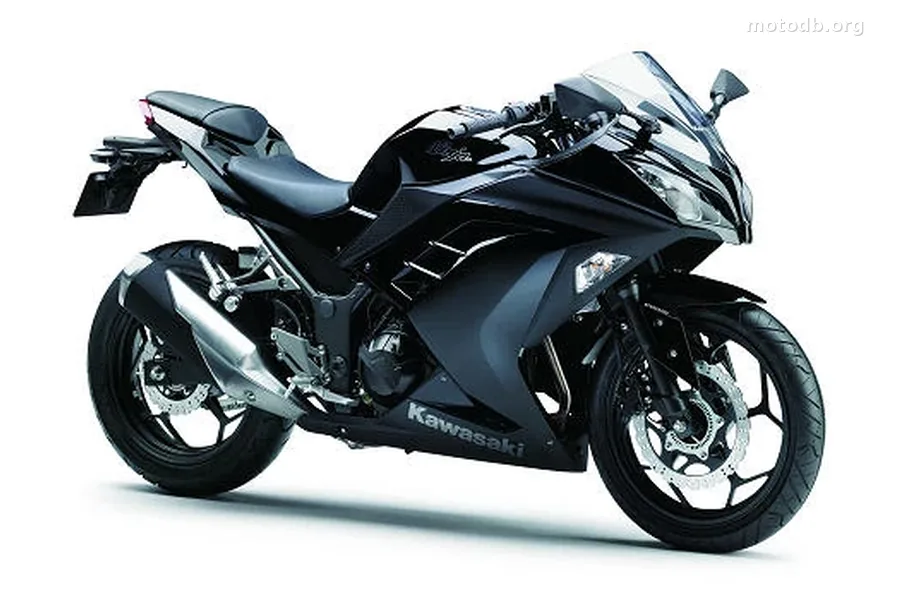
Style-wise, the little Kawa plays the family resemblance card with its bigger siblings. The fairing lines borrow from the brand's sportbikes, the turn signals are integrated into the side panels, and the floating windscreen recalls those found on track machines. The result is rather convincing. Parked next to a 600, it doesn't look out of place. This ability to appear more imposing than its 172 kg wet weight is a real asset for new license holders who don't want to look like they're riding a moped. The 785 mm seat height remains accessible, and the 17-liter tank promises decent range for daily commutes without spending your life at the pump.
Under the fairing, the parallel twin grows from 250 to 296 cc thanks to a longer piston stroke. A technical choice that favors torque, and it shows in the numbers: 27.50 Nm at 10,000 rpm is a noticeable improvement for city overtakes and hairpin exits on back roads. The 39 horsepower delivered at 11,000 rpm places the Ninja 300 R at the top of its class. Dual-throttle-valve injection and a slipper clutch are features usually found a notch or two above this price point. Kawasaki also worked on vibration and heat management, with fairing vents designed to better dissipate heat. The six-speed gearbox and chain drive do the job without fuss. Claimed top speed is 160 km/h, head tucked behind the windscreen. Enough to have fun on track without feeling restricted, while staying within limits on the open road.
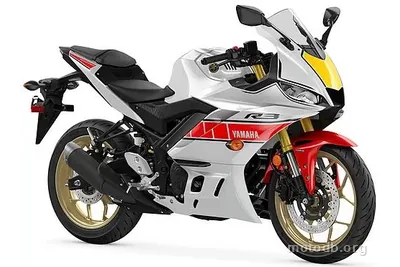
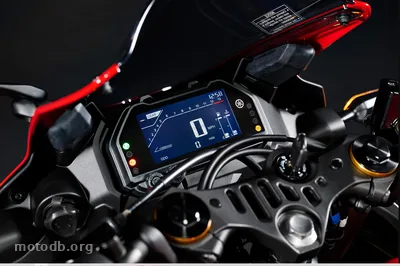
The dashboard ditches old-fashioned needles in favor of a hybrid instrument cluster: a central analog tachometer paired with a digital display for speed, fuel gauge, dual trip meters, and an eco-riding indicator. The tubular steel frame is new, the rear tire grows to 140 mm for better grip, and braking relies on 290 mm petal discs up front and 220 mm at the rear, with the option of ABS. On this point, Kawasaki makes a smart move by offering it as an option rather than inflating the base price, set at €5,149. Against the Honda CBR 300 R, the Ninja holds its ground. Against the KTM RC 390 or the Yamaha R3, the fight is tighter. The KTM hits harder with its 44-horsepower single, and the Yamaha appeals through its overall balance. But neither offers such a sharp price-to-equipment ratio.
The Kawasaki Ninja 300 R clearly targets A2 license holders and riders who want a credible sportbike without breaking the bank. It doesn't revolutionize the segment, but it takes it seriously with a level of finish and equipment that punches above its price tag. In a French market historically oriented toward mid-size and large-displacement machines, this type of motorcycle gains ground year after year. Rising energy costs and shifting attitudes are pushing more and more riders toward these fun small-displacement bikes. The Ninja 300 R has the credentials to win over that audience — provided you accept that it shouldn't be asked to be something it's not: a hardcore track weapon.
Standard equipment
- Assistance au freinage : ABS en option
Practical info
- Véhicule accessible au permis A2 ou bridable à 47.5ch / 35 Kw
- La moto est accessible aux permis : A, A2
Reviews & comments
No reviews yet. Be the first to share your opinion!