Key performance
Technical specifications
Engine
- Displacement
- 498 cc
- Power
- 50.0 ch @ 8500 tr/min (36.5 kW)
- Torque
- 45.2 Nm @ 7000 tr/min
- Engine type
- Twin, four-stroke
- Cooling
- liquide
- Compression ratio
- 9.8:1
- Bore × stroke
- 74 x 58 mm
- Valves/cylinder
- 4
- Camshafts
- 2 ACT
Chassis
- Frame
- Double berceau tubulaire en acier
- Gearbox
- boîte à 6 rapports
- Final drive
- Chaîne
- Front suspension
- Fourche telescopique Ø 37 mm, déb : 125 mm
- Rear suspension
- 2 amortisseurs latéraux, déb : 105 mm
Brakes
- Front brakes
- Freinage 1 disque Ø 280 mm, étrier 2 pistons
- Rear brakes
- Freinage tambour Ø 160 mm
- Front tyre
- 110/70-17
- Front tyre pressure
- 2.25 bar
- Rear tyre
- 130/70-17
- Rear tyre pressure
- 2.50 bar
Dimensions
- Seat height
- 800.00 mm
- Wheelbase
- 1435.00 mm
- Fuel capacity
- 16.00 L
- Weight
- 196.00 kg
- Dry weight
- 179.00 kg
- New price
- 4 599 €
Overview
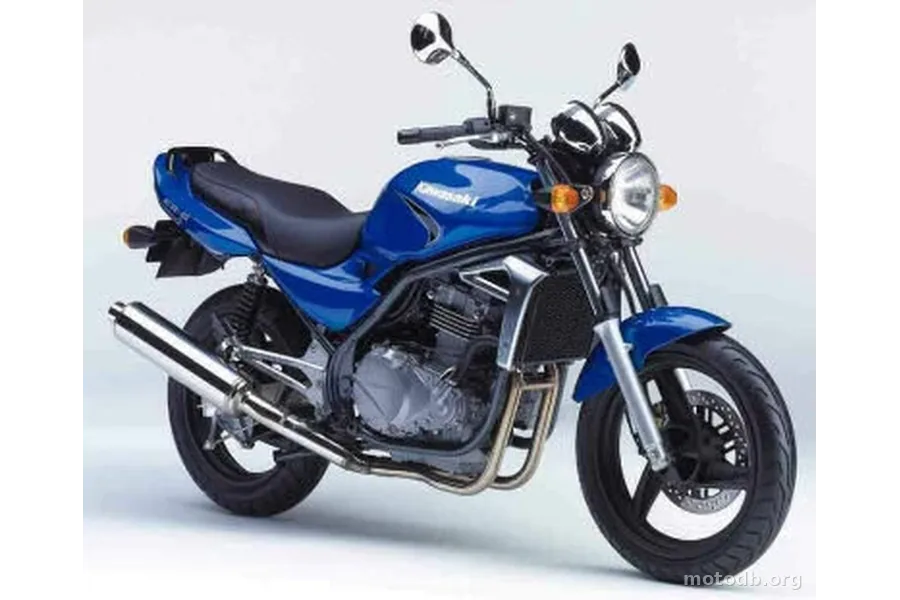
Some motorcycles try to impress, and others simply get the job done. The Kawasaki ER-5 firmly belongs to the second category, and that's precisely what makes it a solid value on both the new and used market.
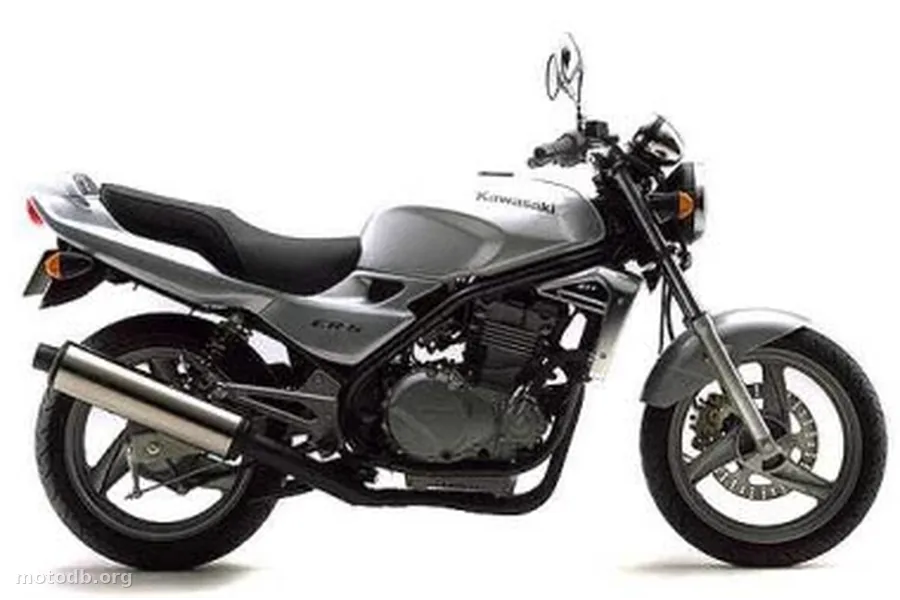
The 498 cc parallel twin, inherited from the GPZ lineage, won't spin you any yarns. Fifty horsepower at 8,500 rpm, 45.2 Nm of torque available from 7,000 rpm: it's no straight-line fireworks show, but the engine delivers where it counts — in the mid-range. You ride, you overtake, you move forward. It's clean, linear, and actually quite pleasant once you accept that the 178 km/h top speed will rarely be the point of a ride. The Kawasaki ER-5 makes no claim to being a sportbike; it embraces its role as an all-rounder with a certain mechanical dignity.
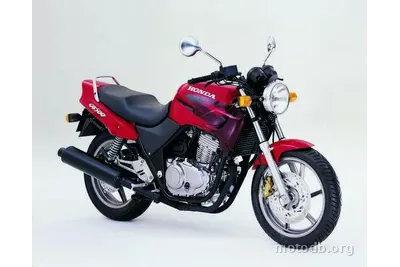
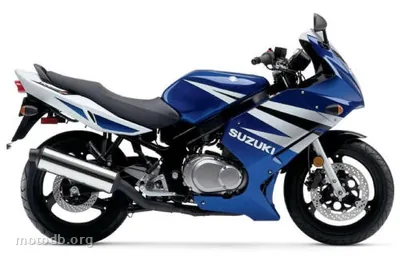
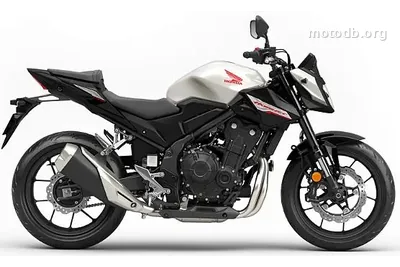
Alongside the Honda CB 500 and the Suzuki GSF 500, the Kawasaki ER-5 plays a slightly different tune. Comfort is its strongest suit: the suspension — a 37 mm telescopic fork up front and twin rear shock absorbers with 105 mm of travel — absorbs imperfections without complaint. The seat deserves a mention: at 800 mm in height, it makes life easier for average-sized riders, and its cushioning clearly surpasses the direct competition. For a daily commuter or a newly licensed rider looking to build confidence, that's a tangible advantage.
The tubular double-cradle frame does exactly what's expected of it. The ER-5 stays nimble through linked corners, and mountain roads are genuinely enjoyable as long as you're not chasing lap times. The mixed braking setup — a 280 mm front disc with a twin-piston caliper and a 160 mm rear drum — is functional without being inspired. The rear drum is the one element that truly betrays the era and the price point. At €4,599, the 2003 Kawasaki ER-5 sits just above the GSE on the pricing scale, but it closes the gap through the perceived quality of its comfort-oriented equipment.
Kawasaki carried out a mild restyling around 2001, refined further across the Kawasaki ER-5 2002, Kawasaki ER-5 2003, Kawasaki ER-5 2004, and Kawasaki ER-5 2005 model years. Nothing revolutionary — a few cosmetic tweaks that soften the lines slightly without betraying the machine's utilitarian DNA. If you're looking for a used Kawasaki ER-5 in good condition, examples produced between 2000 and 2006 are plentiful and reliable provided they've been properly maintained. The engine handles high mileage well, the mechanics aren't temperamental, and parts remain accessible.
In the end, it would be unfair to reduce the Kawasaki ER-5 to a mere "learner bike." This is an honest motorcycle, built to last and to be ridden — not to pose on seaside promenades. The urban rider seeking day-to-day reliability, the newly licensed rider who wants to progress without taking risks, the light tourer who strings together short stages: that's its natural audience. It won't give you electric thrills, but it won't leave you stranded by the roadside either.
Practical info
- Moto bridable à 34 ch pour l'ancien permis A MTT1 - pas garanti pour le permis A2
- La moto est accessible aux permis : A, A (MTT1)
Reviews & comments
No reviews yet. Be the first to share your opinion!