Key performance
Technical specifications
Engine
- Displacement
- 599 cc
- Power
- 120.0 ch @ 13500 tr/min (88.3 kW)
- Torque
- 64.7 Nm @ 11250 tr/min
- Engine type
- 4 cylindres en ligne, 4 temps
- Cooling
- liquide
- Compression ratio
- 12:1
- Bore × stroke
- 67 x 42,5 mm
- Valves/cylinder
- 4
- Camshafts
- 2 ACT
- Fuel system
- injection
Chassis
- Frame
- Double poutre en aluminium moulé, type Diamant
- Gearbox
- boîte à 6 rapports
- Final drive
- Chaîne
- Front suspension
- Fourche inversée à cartouches HMAS ø 41 mm, déb : 120 mm
- Rear suspension
- Monoamortisseur Unit Pro-Link à réservoir séparé, déb : 130 mm
Brakes
- Front brakes
- Freinage 2 disques Ø 310 mm, fixation radiale, étrier 4 pistons
- Rear brakes
- Freinage 1 disque Ø 220 mm, étrier simple piston
- Front tyre
- 120/70-17
- Front tyre pressure
- 2.50 bar
- Rear tyre
- 180/55-17
- Rear tyre pressure
- 2.90 bar
Dimensions
- Seat height
- 820.00 mm
- Fuel capacity
- 18.00 L
- Weight
- 194.00 kg
- Dry weight
- 165.00 kg
- New price
- 11 490 €
Overview
What could have driven Honda to graft ABS onto a supersport, a category where every gram counts and braking is measured to the millimeter? The answer comes down to a date: summer 2008. The Japanese manufacturer unveiled its electronically controlled Combined ABS system, a first on a pure sportbike. The 2009 CBR 600 RR, carried over unchanged into 2010, served as the testing ground for this technology. And the gamble was far from trivial.
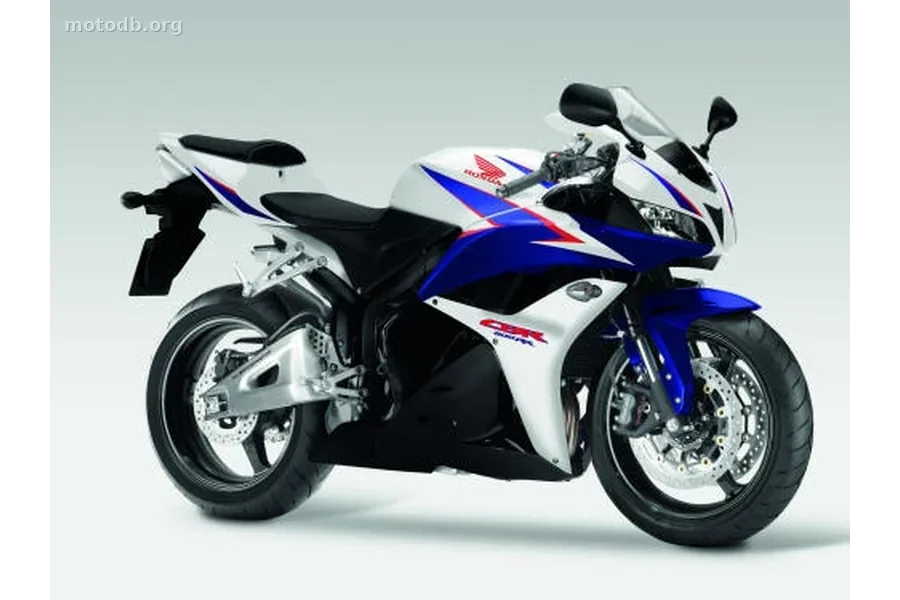
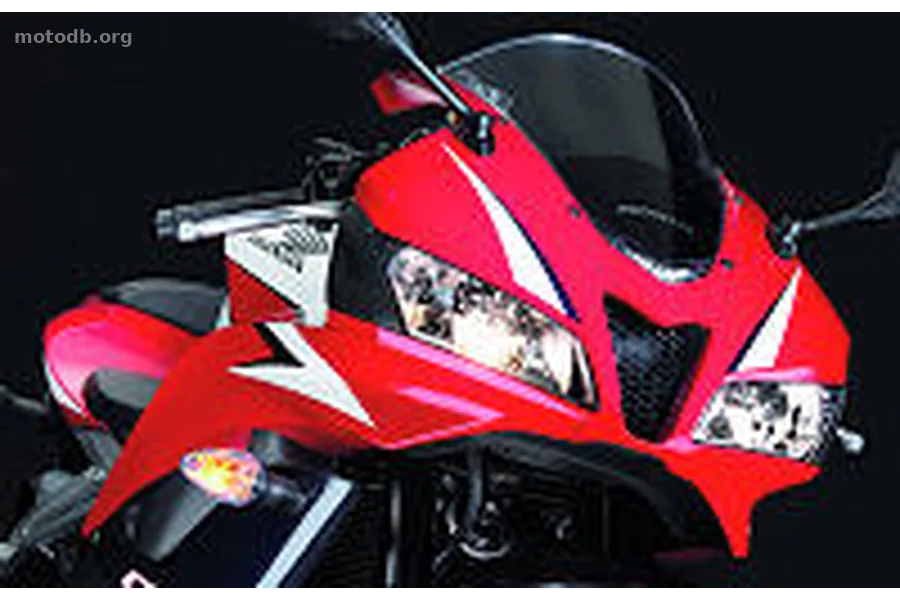
Style-wise, this fourth-generation CBR 600 RR doesn't shake things up. Honda went for subtle refinements rather than an aesthetic revolution: a redesigned belly pan, modernized turn signals, a few new color options. The identity remains intact with its underseat exhaust, an air intake reminiscent of the VTR SP2, and that ultra-compact profile that has been its hallmark for years. The dashboard, however, shows its age. It settles for an additional ABS warning light without offering the readability or the look of the instrument clusters found on some competitors. It's a far cry from the design overhaul the CBR 1000 RR Fireblade had received a year earlier.
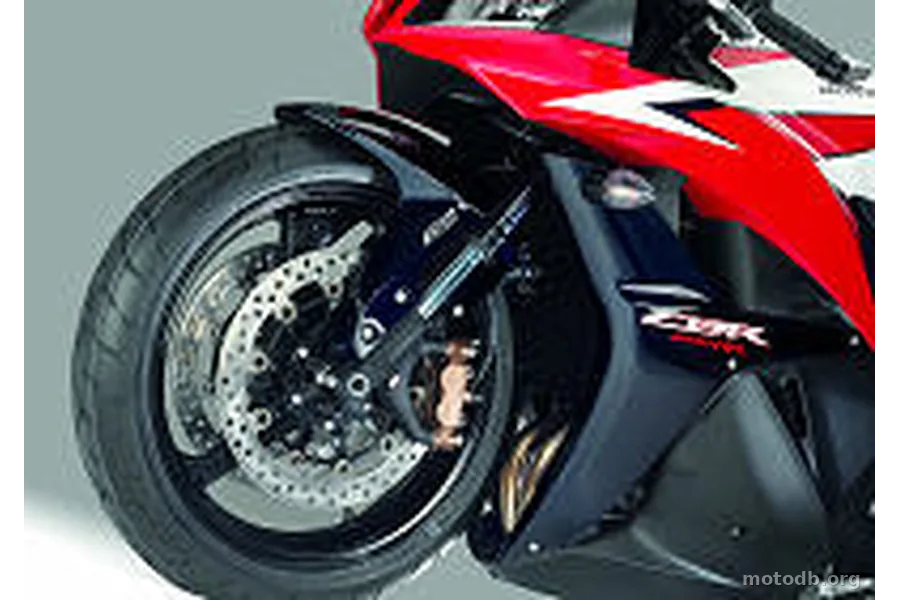
The real talking point is the "brake by wire" system. The principle relies on pressure sensors that measure the rider's input on the lever and pedal, then a servo motor actuates the radially mounted monoblock calipers with surgical precision. The distribution between the front wheel with its two 310 mm discs and the 220 mm rear disc adjusts in real time. Honda paid particular attention to the intervention threshold: on a sportbike, ABS that kicks in too early or too aggressively becomes a liability. Here, the system is designed to intervene late and progressively, so the rider retains the feeling of control right up to the final degrees before lock-up. On the open road, where conditions change with every corner, the confidence boost is genuine. An intermediate-level rider will achieve braking performance that would otherwise take dozens of sessions to approach without electronic assistance. On track, however, an experienced rider who knows their braking markers by heart won't necessarily find it to their advantage.
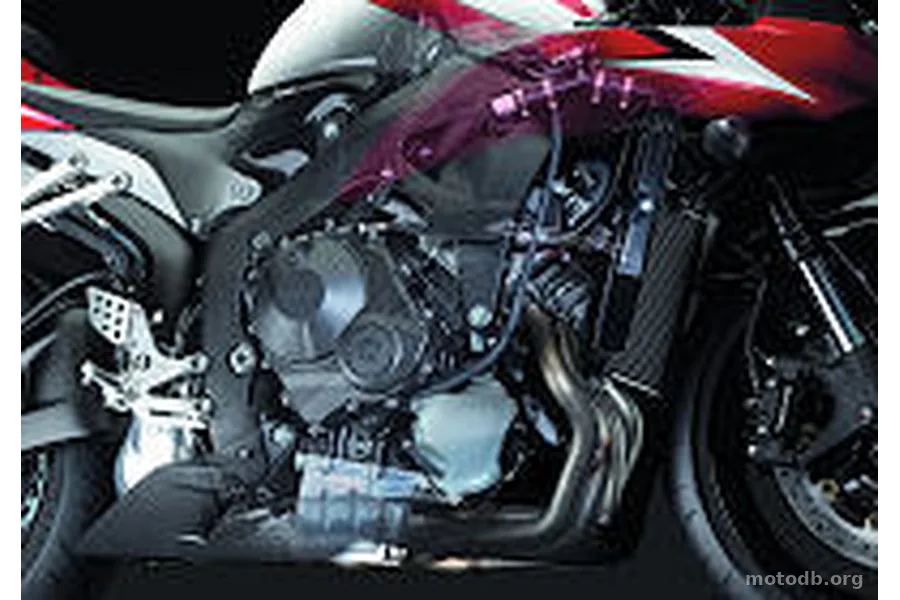
The 599 cc inline four-cylinder retains its 120 horsepower at 13,500 rpm and 64.7 Nm of torque at 11,250 rpm. Honda reworked the pistons, cylinder head, and exhaust headers to beef up the midrange between 8,000 and 12,000 rpm, with a 3.5% torque gain at 10,000 rpm. It's noticeable on corner exits, but it's not enough to close the gap with a Yamaha R6, sharper through the revs, nor to worry the Triumph Daytona 675 and its feisty triple-cylinder character. The aluminum twin-spar frame, the 41 mm HMAS inverted fork, the Unit Pro-Link monoshock, the HESD electronic steering damper: the full technological arsenal inherited from previous generations remains in place. It's solid, proven, effective.
The real issue with this E-ABS version comes down to the scales. The combined system's components add 10 kg to the "bare" CBR, which tipped the scales at 184 kg wet, a class record. At 194 kg with its 18 liters of fuel, the 600 RR ABS loses the weight advantage that was its trump card against the competition. At 11,490 euros, Honda is offering a sportbike that has clearly picked its side: reassurance on the road rather than domination on the track. Riders looking for a lively yet confidence-inspiring 600 for daily use, with Honda reliability as a bonus, will find a compelling partner. Die-hard track riders, meanwhile, will continue to look elsewhere or opt for the non-ABS version — lighter and rawer.
Standard equipment
- Assistance au freinage : ABS conbiné
Practical info
- La moto est accessible aux permis : A
Indicators & positioning
Similar bikes
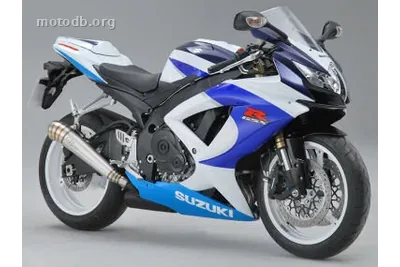
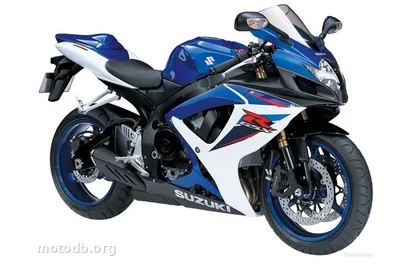
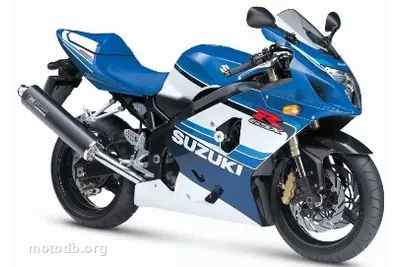
600 GSX-R MotoGP Replica
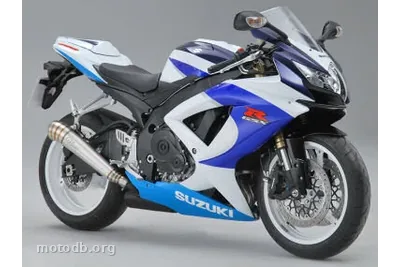
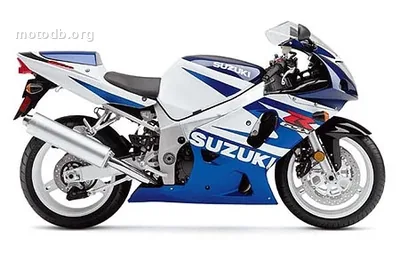
600 GSX-R Yoshimura
Reviews & comments
No reviews yet. Be the first to share your opinion!