Key performance
Technical specifications
Engine
- Displacement
- 599 cc
- Power
- 120.0 ch @ 13500 tr/min (88.3 kW)
- Torque
- 64.7 Nm @ 11250 tr/min
- Engine type
- 4 cylindres en ligne, 4 temps
- Cooling
- liquide
- Compression ratio
- 12:1
- Bore × stroke
- 67 x 42,5 mm
- Valves/cylinder
- 4
- Camshafts
- 2 ACT
- Fuel system
- injection
Chassis
- Frame
- Double poutre en aluminium moulé, type Diamant
- Gearbox
- boîte à 6 rapports
- Final drive
- Chaîne
- Front suspension
- Fourche inversée à cartouches HMAS ø 41 mm, déb : 120 mm
- Rear suspension
- Monoamortisseur Unit Pro-Link à réservoir séparé, déb : 130 mm
Brakes
- Front brakes
- Freinage 2 disques Ø 310 mm, fixation radiale, étrier 4 pistons
- Rear brakes
- Freinage 1 disque Ø 220 mm, étrier simple piston
- Front tyre
- 120/70-17
- Front tyre pressure
- 2.50 bar
- Rear tyre
- 180/55-17
- Rear tyre pressure
- 2.90 bar
Dimensions
- Seat height
- 820.00 mm
- Fuel capacity
- 18.00 L
- Weight
- 194.00 kg
- Dry weight
- 165.00 kg
- New price
- 12 990 €
Overview
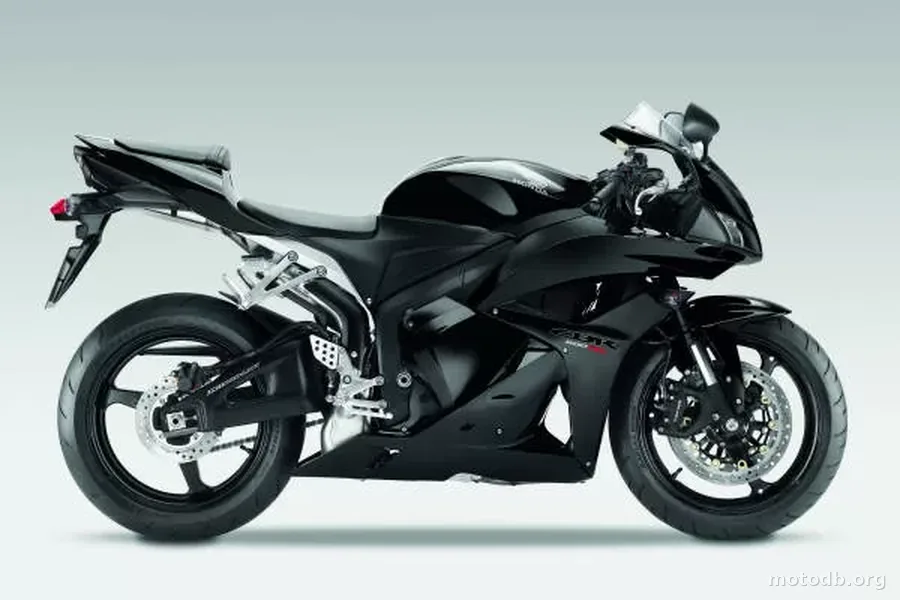
Who would have bet, back in 2008, that an ABS system would dare show its sensors on a supersport? Honda did it. With the 2009 CBR 600 RR, the Japanese manufacturer grafted a Combined ABS system with electronic control onto a track-bred four-cylinder for the very first time. A small revolution in a world where braking is traditionally managed by feel, with two fingers and a great deal of self-confidence. The big sister Fireblade received the same treatment, but it's on the 600 that the gamble is boldest. On a machine this light and responsive, the electronics have to know how to stay invisible.
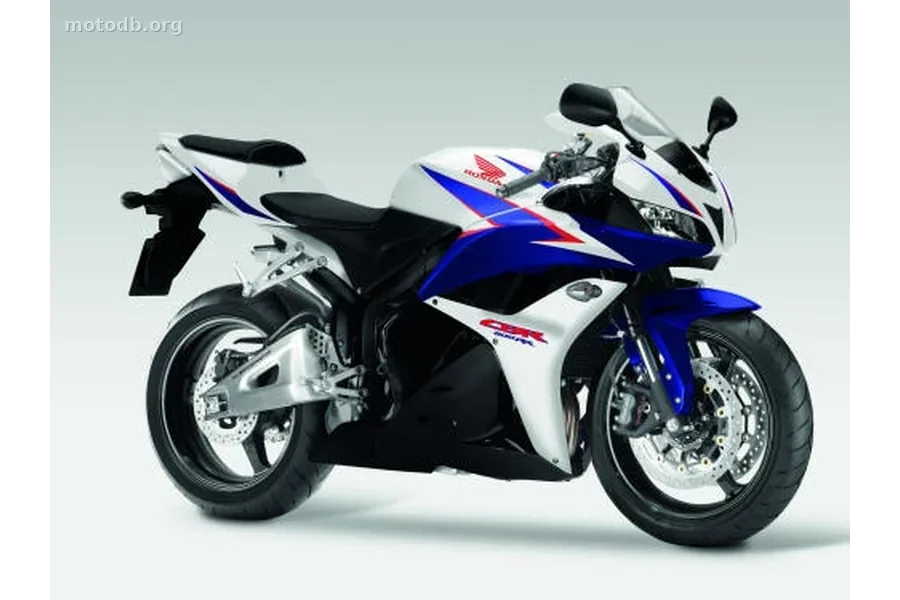
The principle relies on a brake-by-wire system that measures the pressure applied to the lever or pedal, then drives a servomotor acting directly on radially mounted monoblock calipers. Two 310 mm discs up front, one 220 mm disc at the rear. The ABS intervenes as late as possible and in the most progressive manner, so as never to surprise the rider or upset the chassis balance. Honda even split the components into compact sub-assemblies to avoid compromising mass centralization. Clever. On open roads, the confidence gain is real: an intermediate-level rider will achieve braking performance that would otherwise take dozens of attempts to approach without assistance. On track, a skilled rider won't necessarily find it worthwhile, the system becoming a superfluous intermediary when you know your braking markers by heart.
On the engine side, this fourth-generation CBR 600 RR retains its 599 cc inline four-cylinder, with a 67 mm bore and a 42.5 mm stroke. Peak power stands at 120 horsepower at 13,500 rpm, with 64.7 Nm of torque delivered at 11,250 rpm. Honda reworked the pistons, cylinder head, and exhaust system to gain 3.5% more torque around 10,000 rpm. Not enough to upset the apple cart, but enough to offer a touch of extra drive on corner exits. Against the Yamaha R6, sharper at the top end, or the Triumph Daytona 675 with its gutsy triple-cylinder character, the Honda isn't chasing a spec-sheet victory on points. It banks on overall balance.
The downside has a name: ten kilograms. The non-ABS version tips the scales at 184 kg wet, a record weight in the class. The E-ABS version climbs to 194 kg and flirts dangerously with the 200 mark. For a sportbike meant to rub elbows with the best, this extra weight is noticeable. The aluminum twin-spar frame, the 41 mm HMAS inverted fork, the Unit Pro-Link monoshock, and the HESD electronic steering damper all carry over unchanged. The chassis remains a benchmark for rigidity and compactness, with the seat perched at 820 mm and the 18-liter tank offering decent range for road sessions. Visually, Honda settles for minor tweaks: a redesigned belly pan, modernized turn signals, and new color schemes. No styling revolution — the dashboard could really use a serious refresh.
At €12,990, this CBR 600 RR E-ABS is aimed first and foremost at the sporty touring rider who wants to ride fast with an extra safety net. The hardcore track rider will prefer the standard version, ten kilos lighter. Honda clearly picked its side with this 2009 model year: rather than chasing horsepower in a numbers war, the brand bets on confidence and accessibility. A respectable choice that makes this CBR a more reassuring machine than ever on twisty back roads, even if it gives up a bit of bite when the lap timer comes on.
Standard equipment
- Assistance au freinage : ABS conbiné
Practical info
- La moto est accessible aux permis : A
Indicators & positioning
Similar bikes
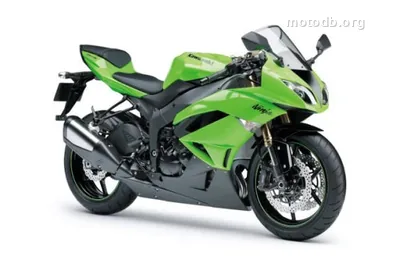
ZX-6RR 600 25eme anniversaire
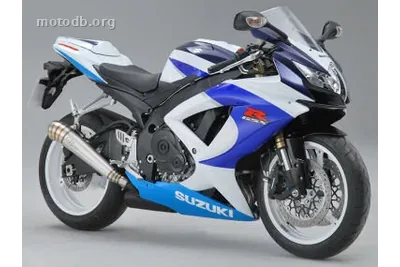
600 GSX-R MotoGP Replica
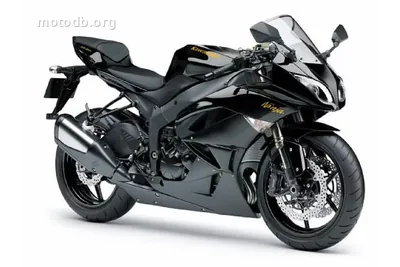
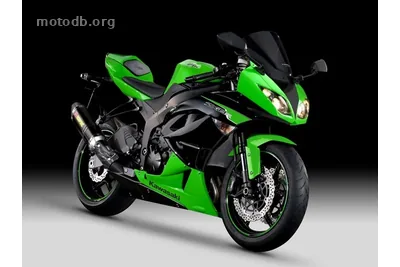
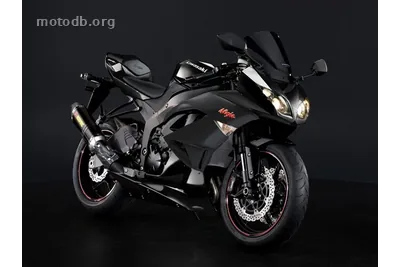
ZX-6R 600 Série spéciale
Reviews & comments
No reviews yet. Be the first to share your opinion!