Key performance
Technical specifications
Engine
- Displacement
- 599 cc
- Power
- 110.0 ch @ 12500 tr/min (80.3 kW)
- Torque
- 63.0 Nm @ 10000 tr/min
- Engine type
- In-line four, four-stroke
- Cooling
- Liquid
- Compression ratio
- 12:1
- Bore × stroke
- 67.0 x 42.5 mm (2.6 x 1.7 inches)
- Valves/cylinder
- 4
- Camshafts
- 2 ACT
- Fuel system
- Carburettor
Chassis
- Frame
- double poutre en alu
- Gearbox
- 6-speed
- Final drive
- Chain (final drive)
- Front suspension
- Fourche téléhydraulique Ø 43 mm, déb : 120 mm
- Rear suspension
- Mono-amortisseur, déb : 120 mm
Brakes
- Front brakes
- Double disc
- Rear brakes
- Single disc
- Front tyre
- 120/70-17
- Front tyre pressure
- 2.50 bar
- Rear tyre
- 80/55-17
- Rear tyre pressure
- 2.90 bar
Dimensions
- Seat height
- 805.00 mm
- Length
- 2065.00 mm
- Width
- 685.00 mm
- Fuel capacity
- 18.00 L
- Weight
- 199.00 kg
- Dry weight
- 170.00 kg
- New price
- 9 907 €
Overview
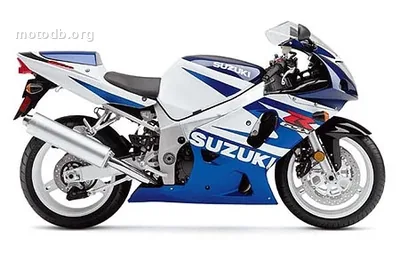
Remember that era when a 600 could do everything. Before the madness of replica racing transformed these machines into instruments of torture for the road, there was a compromise. The 2003 Honda CBR 600 F is the ultimate guardian of that spirit, a sportbike that hadn't yet forgotten that roads are winding, not always smooth, and that a rider has a back. With its aesthetics inspired by the VTR SP-1, it displayed ambitions without denying its accessible sport touring DNA.
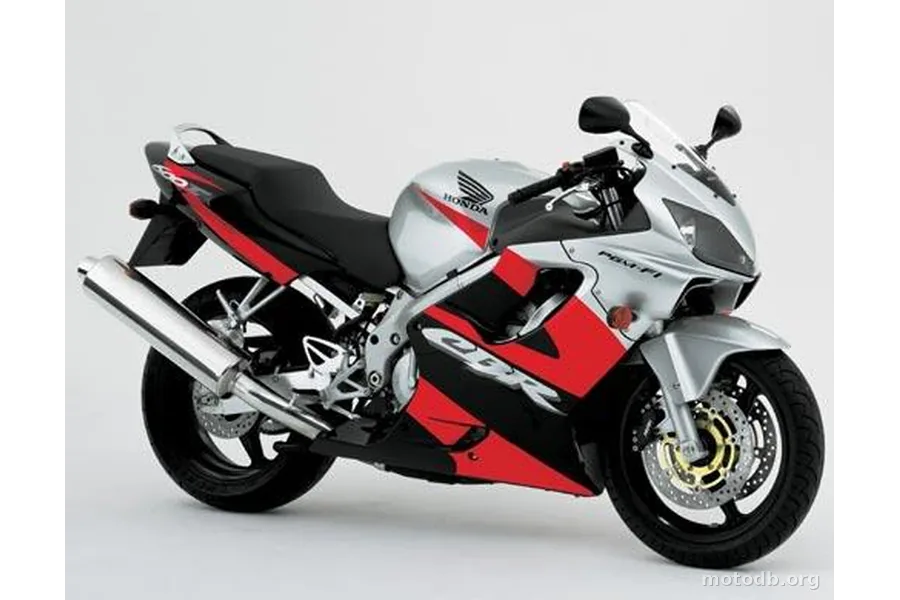
Under the 18-liter tank, the 599 cc inline four-cylinder engine is nothing like a thirsty, high-revving monster. It delivers 110 horsepower at 12,500 rpm, a figure that would seem almost modest compared to a contemporary Yamaha R6, which was more radical. But that’s the genius of the CBR 600 F. Its torque is present earlier, making the bike lively and usable without constantly playing with the quick-twist throttle. PGM-FI injection replaced the carburetors, offering a more direct response, even if it could be a bit abrupt on throttle reapplication. This engine guarantees miles of riding without fatigue, whether for a daily commute or a road trip. It's also what makes it a consistently relevant choice for an A2 license in a restricted version, a versatility that pure sportbikes have since sacrificed.
With a wet weight of 199 kilograms and a seat height of 805 mm, the CBR is not intimidating. The riding position is sporty, but far from the aggressiveness of a supersport. It’s sport touring, not a track machine. The aluminum frame and suspension, a 43 mm fork at the front, offer a remarkable compromise. The bike is stable, precise, and incredibly forgiving. It leans into corners without drama, and its 120 mm of rear travel swallowed road imperfections with an elegance that has now disappeared from similar categories. It’s a confidence-inspiring machine, perfect for the rider wanting to experience sporty sensations without the drawbacks.
Today, searching for a used Honda CBR 600 F is a sensible quest. Models from the 2000 to 2003 years, like this one, represent a perfect balance. They benefited from technical advancements without having tipped into excess. Whether you find an ad for a 2001 CBR 600 F or a 2002 version, the essence is there. Forums dedicated to the Honda CBR 600 F are full of user experiences praising its reliability and Swiss Army knife versatility. Conversely, a 2011 or 2012 Honda CBR 600 F, although more modern, had already evolved towards a slightly harder character.
This is therefore the testament of a great all-rounder. When new, costing nearly 10,000 euros, it offered a reasonable and exciting alternative. Today, on the used market, it remains a brilliant option for those seeking a usable sportbike, a reliable road companion, and one capable of smiling in corners. It closes a lineage that began in 1987, that of civil sportbikes. After it, the world would be divided between extreme track machines and stubby roadsters. The 2003 CBR 600 F is the last one that still knew how to do everything with grace.
Practical info
- La moto est accessible aux permis : A
Indicators & positioning
Similar bikes
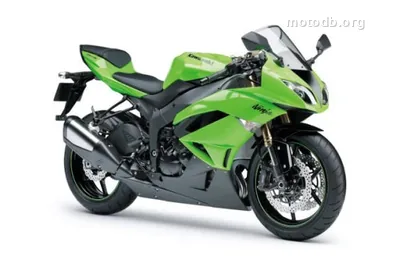
ZX-6RR 600 25eme anniversaire
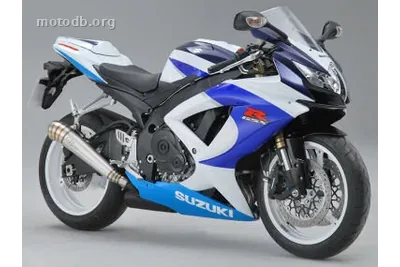
600 GSX-R MotoGP Replica
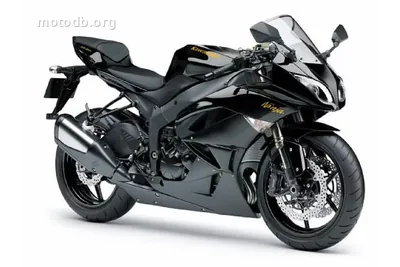
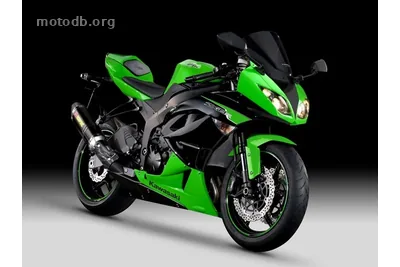
ZX-6R 600 Série spéciale
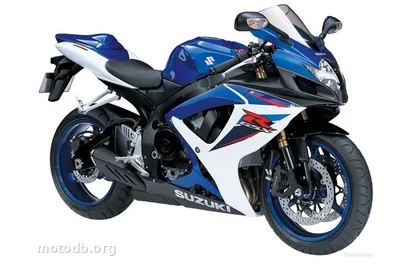
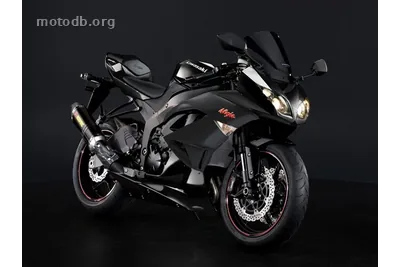
Reviews & comments
No reviews yet. Be the first to share your opinion!