Key performance
Technical specifications
Engine
- Displacement
- 1000 cc
- Power
- 192.0 ch @ 13000 tr/min (141.2 kW)
- Torque
- 112.8 Nm @ 11000 tr/min
- Engine type
- 4 cylindres en ligne, 4 temps
- Cooling
- liquide
- Compression ratio
- 13 : 1
- Bore × stroke
- 76 x 55,1 mm
- Valves/cylinder
- 4
- Fuel system
- Injection Ø 48 mm
Chassis
- Frame
- Double poutre périmétrique en aluminium
- Gearbox
- boîte à 6 rapports
- Final drive
- Chaîne
- Front suspension
- Fourche téléhydraulique inversée Öhlins NIX30 Ø 43 mm, déb : 120 mm
- Rear suspension
- Mono-amortisseur Öhlins TTX36, déb : 60 mm
Brakes
- Front brakes
- Freinage 2 disques Ø 320 mm, fixation radiale, étrier 4 pistons
- Rear brakes
- Freinage 1 disque Ø 220 mm, étrier simple piston
- Front tyre
- 120/70-17
- Front tyre pressure
- 2.50 bar
- Rear tyre
- 190/50-17
- Rear tyre pressure
- 2.90 bar
Dimensions
- Seat height
- 820.00 mm
- Fuel capacity
- 16.00 L
- Weight
- 195.00 kg
- New price
- 22 499 €
Overview
What justifies writing a check for 22,499 euros for a Japanese sportbike when, at that price, Ducati will hand you the keys to a Panigale V4? The answer comes down to two letters: SP. At Honda, that suffix transforms the CBR 1000 RR Fireblade into a machine of an entirely different caliber. For the 2019 model year, this version doesn't overhaul the spec sheet. The 999cc inline four-cylinder still pumps out 192 horsepower at 13,000 rpm, with 112.8 Nm of torque peaking at 11,000 rpm. The real news happens behind the scenes, on the software side. Honda has methodically reworked every parameter of the electronic arsenal to refine the Fireblade's behavior.
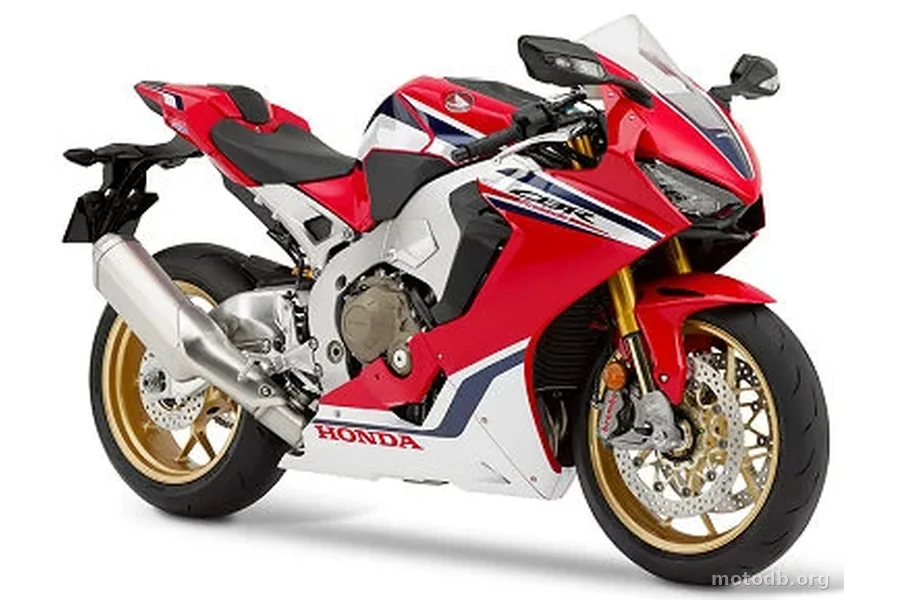
The HSTC traction control gains in precision and smoothness of intervention, now factoring in the rear tire profile. The anti-wheelie system, separated from the HSTC, is independently adjustable across three levels, with a recalibrated front wheel touchdown to eliminate jolts. The ride-by-wire throttle has gained in responsiveness, with rpm drop-off on throttle release reduced by 45%. The ABS, meanwhile, becomes more discreet to allow sharper braking. Surgical refinements, not a revolution. But on track, the difference between a bike that inspires confidence and one that frustrates comes down precisely to this kind of detail.
The mechanical foundation remains that of the major 2017 overhaul: a lighter engine, a revised aluminum twin-spar perimeter frame, a wet weight held to 195 kg, and bodywork sculpted with surgical precision. The TFT dashboard packs a race-cockpit level of information: engine maps, riding modes, engine braking management, and a five-axis Bosch IMU inertial platform. The SP pushes things further than the standard RR with top-tier equipment. Öhlins supplies the 43mm NIX30 inverted fork and the TTX36 rear shock, all managed by the S-EC semi-active system. In practice, the suspension adapts in real time depending on whether you're braking, accelerating, or leaned over, drawing its data from the IMU. Three active modes (Track, Sport, Comfort) and three manual modes offer a range of settings that covers everything from a Sunday ride to a session between the curbs.
On the braking front, Brembo steps in with radial-mount four-piston calipers clamping 320mm discs. Serious hardware, even if Honda didn't go as far as fitting M50 calipers, perhaps reserving that extra step for a future generation. The Up & Down quickshifter, standard on the SP while remaining optional on the RR, allows clutchless gear changes and is adjustable across three levels. The titanium fuel tank saves 1.3 kg, while the gold-colored aluminum wheels shave off another 100 grams. Grams scraped away one by one, the Japanese way.
Against the Yamaha YZF-R1M and the Kawasaki ZX-10RR, the 2019 Fireblade SP plays the high-end versatility card rather than that of the pure track weapon. It targets a demanding rider, a track day enthusiast who wants refined electronics and semi-active suspension without having to go through the aftermarket preparation route. The passenger footpegs have been removed, a clear sign of the bike's intended purpose. For those who want to go even further into pure competition, Honda offers the SP2, more radical and more exclusive. The SP occupies that precise niche between the production sportbike and the racing weapon. A subtle positioning, much like this 2019 update itself: no fireworks, but thorough groundwork that rewards those who know how to read between the lines of a spec sheet.
Standard equipment
- Assistance au freinage : ABS de série
Practical info
- La moto est accessible aux permis : A
Indicators & positioning
Similar bikes
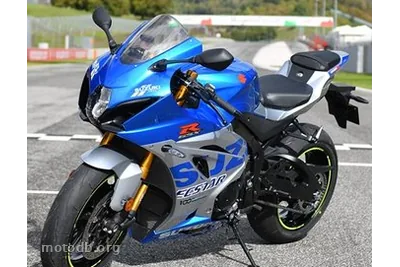
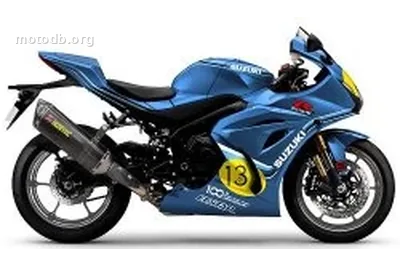
GSX-R 1000 R 100th Anniversary France
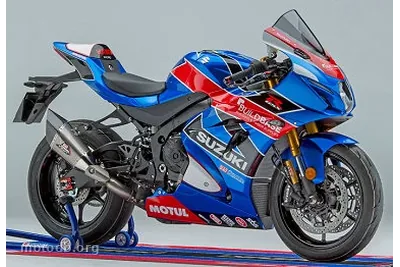
GSX-R 1000 R Buildbase Limited Edition
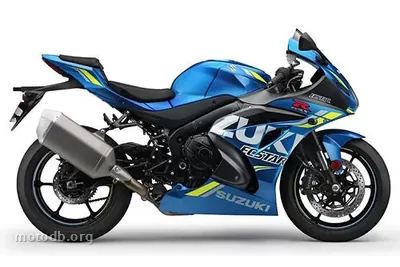
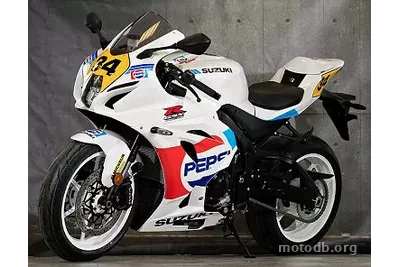
GSX-R 1000 Pepsi GP Edition
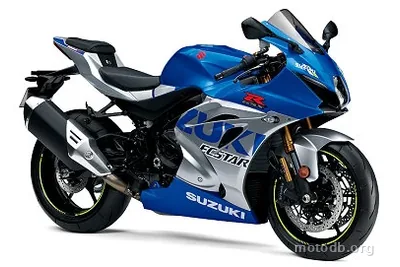
GSX-R 1000 R 100th Anniversary (Japon)
Reviews & comments
No reviews yet. Be the first to share your opinion!