Key performance
Technical specifications
Engine
- Displacement
- 1170 cc
- Power
- 131.4 ch @ 8750 tr/min (95.9 kW)
- Torque
- 115.0 Nm @ 6000 tr/min
- Engine type
- Twin, four-stroke
- Cooling
- Oil & air
- Compression ratio
- 12.5:1
- Bore × stroke
- 101.0 x 73.0 mm (4.0 x 2.9 inches)
- Valves/cylinder
- 4
- Fuel system
- Injection. Electronic intake pipe injection / BMS-K digital engine management with overrun fuel cut-off, single-spark ignition
- Valve timing
- Double Overhead Cams/Twin Cam (DOHC)
Chassis
- Frame
- Tubular steel space frame, front and rear made of self-supporting carbon
- Gearbox
- 6-speed
- Final drive
- Shaft drive (cardan) (final drive)
- Clutch
- Single dry plate clutch, hydraulically operated
- Front suspension
- Telelever, spring pre-load continuously variable, compression damping, rebound damping and vehicle height adjustable
- Rear suspension
- EVO Paralever, Ohlins central spring strut, spring pre-load continuously adjustable, rebound and compression damping adjustable, vehicle height adjustable
- Front wheel travel
- 105 mm (4.1 inches)
- Rear wheel travel
- 120 mm (4.7 inches)
Brakes
- Front brakes
- Double disc. Optional ABS. Deactivable.
- Rear brakes
- Single disc. Optional ABS. Deactivable.
- Front tyre
- 120/70-ZR17
- Rear tyre
- 190/55-ZR17
Dimensions
- Seat height
- 830.00 mm
- Wheelbase
- 1485.00 mm
- Length
- 2135.00 mm
- Width
- 750.00 mm
- Height
- 1163.00 mm
- Fuel capacity
- 16.00 L
- Weight
- 199.00 kg
- Dry weight
- 178.00 kg
Overview
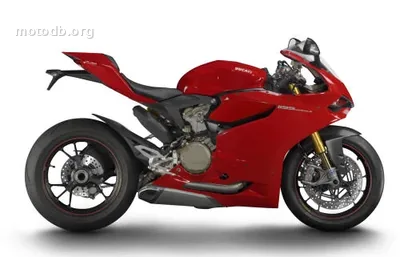
When Munich decides to push its flat-twin to the limit, it results in the BMW HP2 Sport, a machine designed for riders who enjoy feeling the mechanics breathing beneath them. Born in 2008, long before the S 1000 RR came along to shake things up, this 1170 cc boxer represents the culmination of a philosophy that BMW had cultivated for decades: to extract the maximum from a horizontal engine without betraying its character. With 133 horsepower at 8750 rpm and 115 Nm of torque at 6000 rpm, the BMW HP2 Sport’s technical specifications command respect, especially considering it all fits within a steel trellis frame weighing only 178 kg dry, 199 kg fully fueled. For a German motorcycle loaded with electronics and carbon fiber, it’s a remarkable feat.
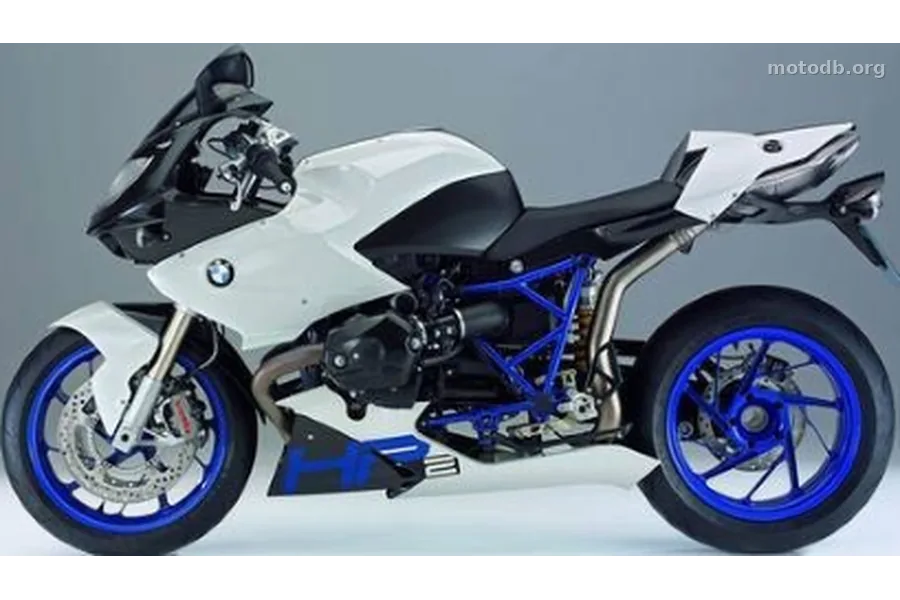
The engine has been thoroughly redesigned to achieve these unusual revs for a production boxer. Four radial valves per cylinder, machined cylinder heads, ultra-light tappets, overhead camshafts driven by chain: every detail aims to push the maximum revs well beyond what the R 1200 S offered at the time. The compression ratio climbs to 12.5:1, SP98 fuel is recommended, and the exhaust line runs under the engine to lower the center of gravity and improve lean angle. A valve manages the torque curve in the mid-range. It’s clean, surgical, and you can hear it. The used BMW HP2 Sport you’ll encounter in classified ads will speak to you from the first starter motor turn.
What truly distinguishes this machine from its contemporaries is the level of racing equipment transferred directly as standard. The quickshifter, which allows gear changes without cutting the throttle or engaging the clutch, was a first on a mass-produced motorcycle when BMW introduced it. The Japanese and Italians were doing the same in competition, but not yet in their public catalogs. Braking Brembo monoblock calipers clamping 320 mm discs, Telelever and EVO Paralever suspension with an Öhlins adjustable damper in compression, rebound, and ride height, machined aluminum handlebar risers adjustable on the vertical axis, adjustable footrests via eccentric: on the BMW HP2 Sport, racing ergonomics are not an option, they are the base. The dashboard developed with 2D Systems, a supplier to Grand Prix teams, integrates a track mode with lap times, maximum speed, and shift lights. It far exceeds what a Ducati 1098 or a GSX-R of the same era offered in standard equipment.
The Motorsport Replica version deserves special mention. Limited to 400 units, it features the exact livery of the prototype entered in the 24 Hours of Le Mans and the Bol d’Or in 2008, with the number 17 on a green background, blue frame and front rim, white rear fairing. Between this endurance prototype and this production version, the differences can be counted on one hand. The carbon fiber fairing, the self-supporting rear fairing, the forged lightweight wheels: everything contributes to bringing the track bike closer to the one you can register. The BMW HP2 Sport Motorsport Edition is the customer competition fantasy made accessible, provided you’re willing to shell out 22,230 euros from the catalog, which explains why the BMW HP2 Sport’s value remains solid on the used market.
It’s not a direct rival to an R1 on a speed circuit, and BMW has never claimed it to be. The HP2 Sport targets the passionate rider who wants the experience of a race bike usable daily, someone who appreciates mechanical culture as much as lap times. The cost of BMW HP2 Sport maintenance can be surprising, the chain-driven distribution and Öhlins settings require regular attention, but no owner complains. It’s the price of nobility. With this machine, Munich proved that a boxer could play in the court of demanding sportbikes, before completely changing philosophy with the S 1000 RR.
Indicators & positioning
Similar bikes
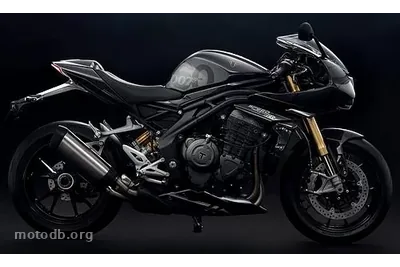
Speed Triple 1200 RR Bond Edition
Reviews & comments
No reviews yet. Be the first to share your opinion!