Key performance
Technical specifications
Engine
- Displacement
- 1099 cc
- Power
- 164.0 ch @ 9750 tr/min (120.6 kW)
- Torque
- 122.6 Nm @ 8000 tr/min
- Engine type
- Bicylindre en L à 90°, 4 temps
- Cooling
- liquide
- Bore × stroke
- 104 x 64.7 mm
- Valves/cylinder
- 4
- Fuel system
- injection
Chassis
- Frame
- treillis tubulaire en tube d'acier relié à des platines en alu
- Gearbox
- boîte à 6 rapports
- Final drive
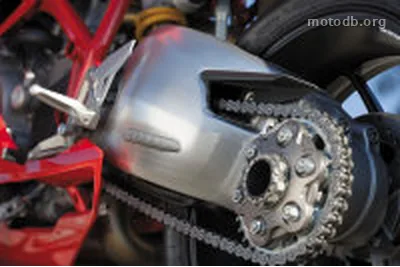
- Chaîne
- Front suspension
- Fourche téléhydraulique inversée Ø nc, déb : 120 mm
- Rear suspension
- Mono-amortisseur, déb : 120 mm
Brakes
- Front brakes
- Freinage
- Rear brakes
- Freinage 1 disque
- Front tyre
- 120/70-17
- Front tyre pressure
- 2.30 bar
- Rear tyre
- 190/55-17
- Rear tyre pressure
- 2.30 bar
Dimensions
- Fuel capacity
- 16.00 L
- Dry weight
- 170.00 kg
- New price
- 25 000 €
Overview
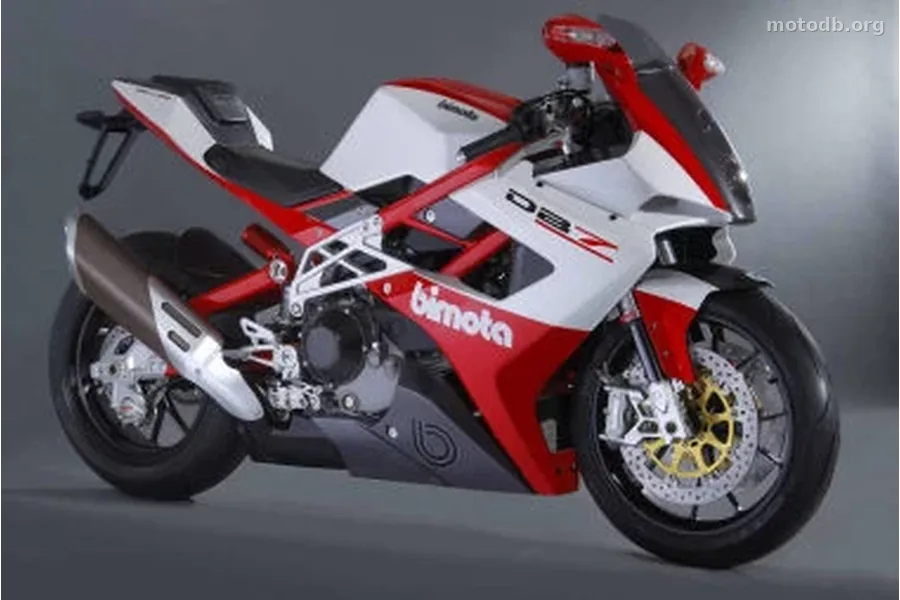
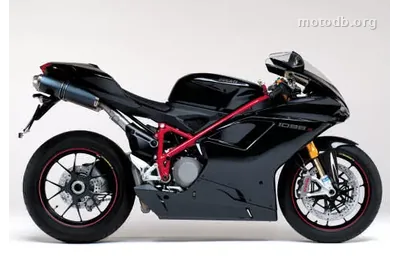
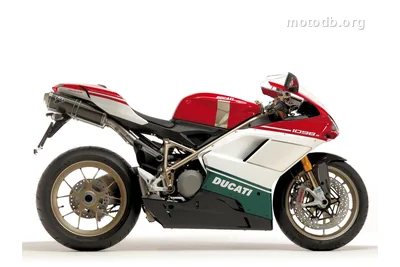
Rimini, late 2000s. While Ducati refined its 1098 to become one of the most formidable sportbikes of the moment, its neighbors at Bimota observed, calculated, then struck. The DB7 was born from this particular alchemy of Italian genius: taking an already brutal engine, housing it in an even more accomplished chassis, and selling the whole thing at a price that shakes bank accounts.
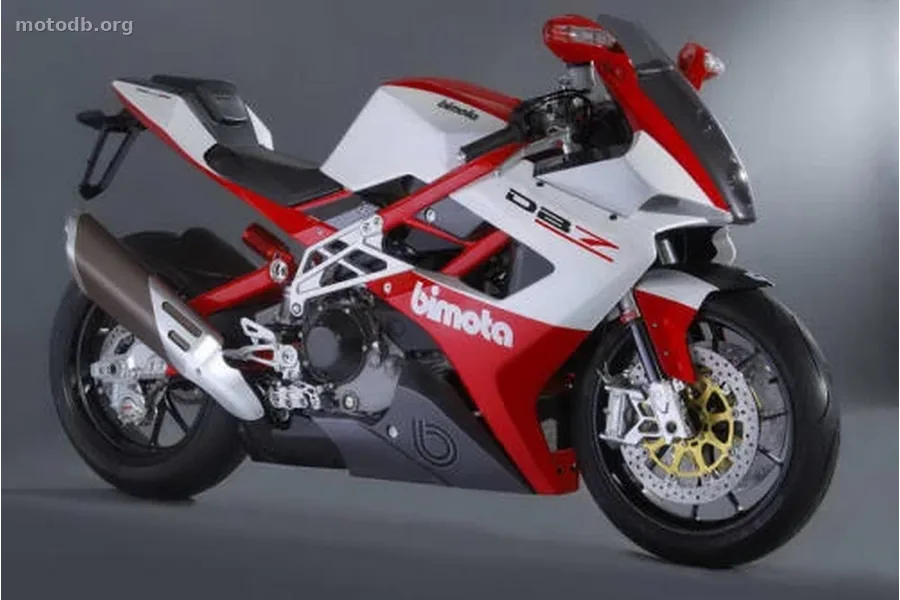
It is important to understand what this machine represents in Bimota’s trajectory. The DB5, DB6, and Tesi 3D had chosen the relative wisdom of the air-cooled, desmo twin, two valves per cylinder, with reasonable power outputs. Motorcycles with strong personalities, certainly, but not disguised race machines for the street. With the DB7, the Rimini manufacturer radically changes register. It incorporates the 1099 cm3 90-degree V engine from the 1098, this L-architecture that develops 164 horsepower at 9750 rpm and 122.6 Nm of torque at 8000 rpm. This is not an evolution, it is a statement of intent.
The tubular steel trellis frame, reinforced with aluminum plates, constitutes the technical signature of the house. Bimota has always known how to build exceptional chassis, and the DB7 is no exception to this tradition. The inverted fork, the mono-shock with 120 mm of travel at both ends, and a dry weight announced at 170 kg place the machine in a category of its own. It gains five kilograms over the SB8K, its direct predecessor at Bimota, which is not insignificant when considering the available power. With a declared top speed of 280 km/h, the DB7 positions itself as a serious rival to the best sportbikes of the moment, including the Aprilia RSV4 and the Honda CBR1000RR, with added exclusivity and rarity that the latter cannot offer.
The target audience is clearly identifiable: this is not the Sunday rider looking for a versatile machine to go on vacation. The 16-liter tank recalls that range is not the priority. The tires in 120/70 at the front and 190/55 at the rear, on 17-inch rims, tell the story of a motorcycle designed for the track as much as for a few carefully chosen winding roads. The price of 25,000 euros in 2009 places the DB7 in a sphere reserved for knowledgeable collectors and demanding riders who know exactly what they are buying.
What Bimota is selling here, at heart, is not simply brute power. The Ducati 1098 already does the job on that front. What Rimini brings is the obsession with the frame, lightness pushed to its maximum, and that rare feeling of riding something made for you and for few others. Main drawback: this exclusivity has a reverse, the availability of parts and the service network remain what they are at a small manufacturer. Main advantage: on a well-chosen mountain road, the DB7 probably offers a connection between the rider and the asphalt that few mass-produced machines can imitate. For those who can afford it, it is a difficult proposition to ignore.
Practical info
- La moto est accessible aux permis : A
Reviews & comments
No reviews yet. Be the first to share your opinion!