Key performance
Technical specifications
Engine
- Displacement
- 1130 cc
- Power
- 137.0 ch @ 9500 tr/min (100.8 kW)
- Torque
- 109.8 Nm @ 7750 tr/min
- Cooling
- liquide
- Compression ratio
- 11.2 : 1
- Bore × stroke
- 88 x 62 mm
- Valves/cylinder
- 4
- Camshafts
- 2 ACT
- Fuel system
- Injection Ø 53 mm
Chassis
- Frame
- treillis en tube d\'acier relié à des éléments de fonderie
- Gearbox
- boîte à 6 rapports
- Final drive
- Chaîne
- Front suspension
- Fourche téléhydraulique inversée Ø 50 mm, déb : 120 mm
- Rear suspension
- Mono-amortisseur, déb : 120 mm
Brakes
- Front brakes
- Freinage 2 disques Ø 320 mm, fixation radiale, étrier 4 pistons
- Rear brakes
- Freinage 1 disque Ø 240 mm, étrier 2 pistons
- Front tyre
- 120/70-17
- Front tyre pressure
- 2.50 bar
- Rear tyre
- 190/55-17
- Rear tyre pressure
- 2.50 bar
Dimensions
- Seat height
- 820.00 mm
- Fuel capacity
- 16.00 L
- Weight
- 215.00 kg
- Dry weight
- 196.00 kg
- New price
- 14 490 €
Overview
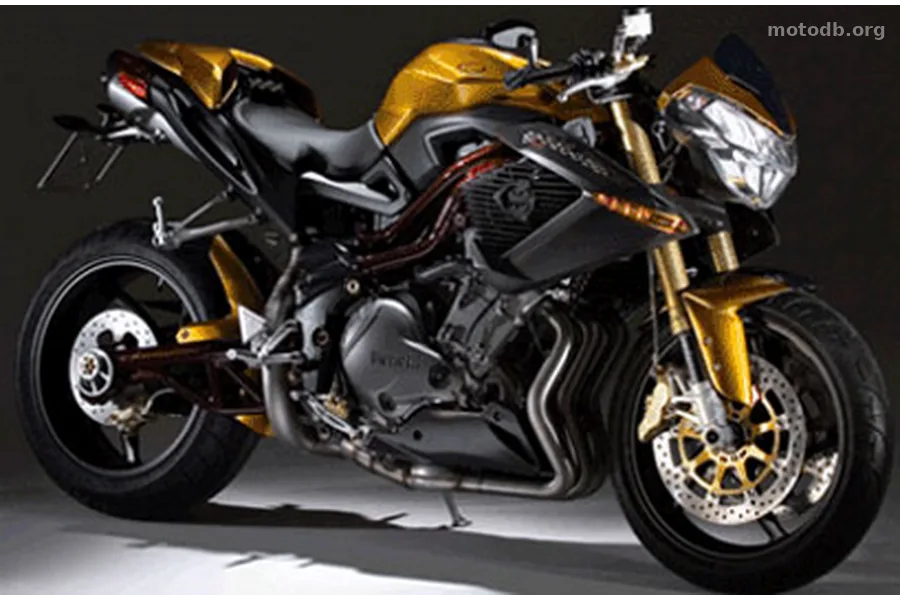
When Benelli decides to play the pure style card, the result is the TNT 1130 Cafe Racer, a variant that slots between the Sport version and the Titanium like a wedge in a fork: precise, sharp, and not there for decoration. The Pesaro manufacturer didn't reinvent the engine, and that's good news: the 1130 cc three-cylinder with its 137 horsepower at 9,500 rpm and 109.8 Nm of torque at 7,750 rpm had no need for a technical redraw. What changes is everything else.
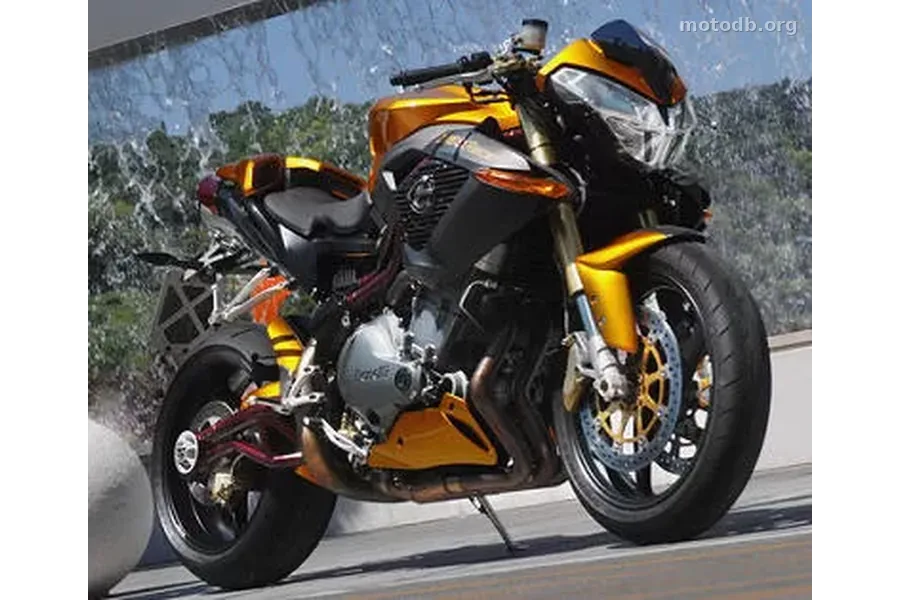
The riding position first. Clip-on handlebars replace the classic bar, pitching the rider forward and transforming the riding experience. This is no longer a contemplative roadster — you adopt an engaged position, torso inclined, eyes into the wind. That detail alone justifies a category of its own. Add adjustable rearsets with eccentric mounts, and you have a machine that adapts to the rider's build rather than the other way around. The 196 kg dry weight sits at the higher end of the segment average, but the steel tube trellis frame combined with cast components delivers a rigidity that justifies that weight.
The list of Cafe Racer-specific parts is generous for a variant: redesigned front fender, single-seat styled tail unit with carbon subframe, taller windscreen than on the Sport, revised suspension with a 50 mm upside-down fork with anti-friction treated tubes, and forged aluminum Marchesini wheels. The latter are no mere aesthetic detail: they reduce unsprung mass and concretely change cornering behavior. Compared to a Triumph Thruxton or a Ducati Sport Classic of the era, the Benelli plays in a different league in terms of displacement and raw power.
The Termignoni exhaust completes the picture without touching the engine mapping. Benelli chose to refine the sound rather than chase extra horsepower, which is consistent with a philosophy oriented toward sensation rather than spec-sheet performance. With a claimed top speed of 240 km/h, the machine wants for nothing on open roads. The 820 mm seat height naturally filters out shorter riders, and the 16-liter tank offers decent but unremarkable range.
At €14,490 on the 2009 price list, the Benelli TNT 1130 Cafe Racer positioned itself as an unapologetic object of desire, aimed at an experienced rider who wants as much to be seen as to feel something. This is not a novice's motorcycle: the mid-range torque delivery and riding position require prior mastery. On today's used market, a well-maintained Benelli TNT 1130 Cafe Racer represents an original alternative to Japanese or British cafe racers that are often more conventional. Italian eccentricity has a price, but it also has a character you won't find in the catalogs of more conservative manufacturers.
Practical info
- La moto est accessible aux permis : A
Indicators & positioning
Similar bikes
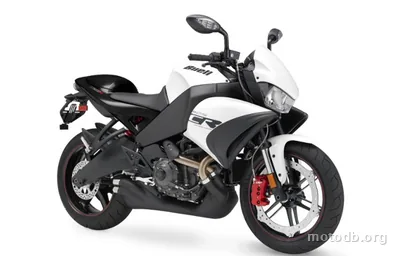
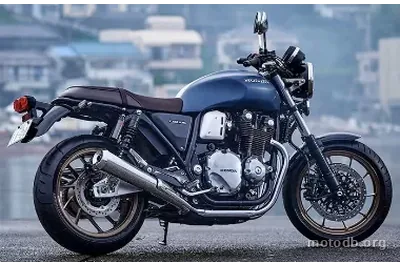
CB 1100 RS Final Edition
Reviews & comments
No reviews yet. Be the first to share your opinion!