Key performance
Technical specifications
Engine
- Displacement
- 1140 cc
- Power
- 90.0 ch @ 7500 tr/min (66.2 kW)
- Torque
- 91.2 Nm @ 5500 tr/min
- Engine type
- 4 cylindres en ligne, 4 temps
- Cooling
- combiné air / huile
- Compression ratio
- 9.5 : 1
- Bore × stroke
- 73.5 x 67.2 mm
- Valves/cylinder
- 4
- Camshafts
- 2 ACT
- Fuel system
- Injection Ø 32 mm
Chassis
- Frame
- double berceau tubulaire en acier
- Gearbox
- boîte à 6 rapports
- Final drive
- Chaîne
- Front suspension
- Fourche téléhydraulique Showa Ø 43 mm
- Rear suspension
- 2 amortisseurs latéraux
Brakes
- Front brakes
- Freinage 2 disques Ø 310 mm, fixation radiale, étrier 4 pistons
- Rear brakes
- Freinage 1 disque Ø 256 mm, étrier simple piston
- Front tyre
- 120/70-17
- Front tyre pressure
- 2.50 bar
- Rear tyre
- 180/55-17
- Rear tyre pressure
- 2.90 bar
Dimensions
- Seat height
- 795.00 mm
- Fuel capacity
- 16.80 L
- Weight
- 252.00 kg
- New price
- 10 850 €
Overview
When a lineage comes to an end, it rarely does so without warning. Honda, never short on a sense of symbolism, chose to close the CB 1100 chapter with a final edition that fully embraces its role as a mechanical testament. The Honda CB 1100 RS Final Edition has no intention of revolutionizing anything a few months before its forced retirement. It bows out, gracefully, before switching off the lights behind it.
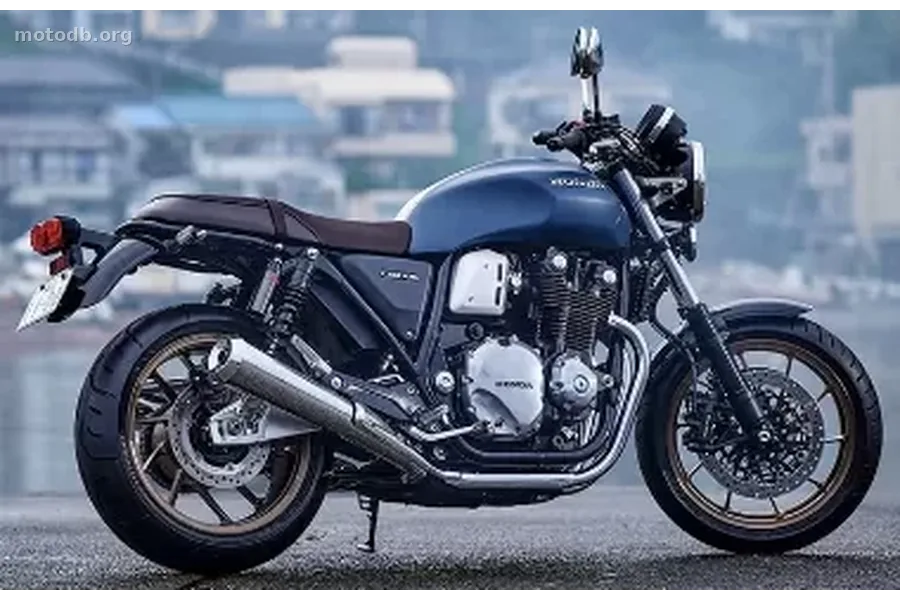
This air-cooled 1,140 cc inline four-cylinder is a species facing accelerated extinction. Four cylinders, cooling fins, 90 horsepower at 7,500 rpm, 91.2 Nm of torque at 5,500 rpm. Measured figures, almost anachronistic at a time when supercharged engines and water-cooled radiators have colonized even neo-retro roadsters. At BMW, Ducati, Moto Guzzi, Harley-Davidson, Triumph, and Indian, you can still find large-displacement air-cooled engines, but they are all twins. The finned four-cylinder in the seventies tradition, however, is dying out. This CB may well be its last representative among a volume manufacturer.
The RS has always been the sharper-tempered member of the family. Compared to the standard version, it comes equipped with firmer suspension, a better-calibrated 43 mm Showa fork, four-piston front calipers biting on 310 mm discs, and a slightly more aggressive riding position. All of this for a wet weight of 252 kg, which remains substantial, but consistent with the proportions of a roadster of this displacement and philosophy. The 795 mm seat height will not penalize average-sized riders. The claimed top speed is capped at 200 km/h, which, for a refined roadster of this character, is more than sufficient. It is not a sport bike, and it has never claimed to be.
For this final edition, Honda focused on the details rather than sweeping changes. Very restrained color schemes, bronze wheels, a brown leather seat, a pinstripe on the tank. The engine was already finished in black on the standard RS; here, the dark treatment extends to the suspension components, brake calipers, turn signal lenses, footpegs, and airbox side panels. The whole forms a cohesive block, almost funereal in the best sense of the word. But it is the small badge affixed to the top of the tank that truly signs off on the whole thing. Understated to excess, almost modest, yet carrying the weight of fifty years of Honda displacement history.
At 10,850 euros, the proposition is aimed at a specific audience: the nostalgic rider, forty or older, who grew up with posters of Japanese four-cylinders on their bedroom wall and who now wants to own a piece of that history before it is definitively archived. This is not a machine for a beginner, nor for a track enthusiast. It is a road companion for those who appreciate the deep rumble of a four-cylinder at low revs, the heat radiating from the cooling fins, and the pleasure of riding something with genuine mechanical soul. The 16.8-liter tank provides a decent range for weekend rides, without excessive touring pretension.
This Final Edition is not available in Europe, which adds to its sense of rarity and, for some collectors on the continent, to their frustration. The Japanese market and a handful of Asian countries benefit from it. A way for Honda to come full circle where the tradition of the air-cooled four-cylinder carries the most historical resonance. The rest of the world will watch the procession pass from the side of the road.
Standard equipment
- Assistance au freinage : ABS de série
Practical info
- La moto est accessible aux permis : A
Indicators & positioning
Similar bikes
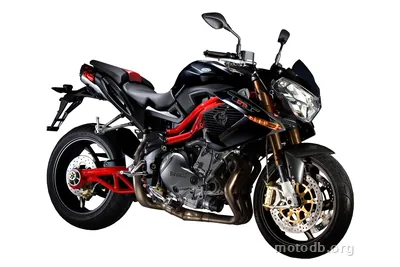
Tornado Naked Tre 1130 Sport Evo
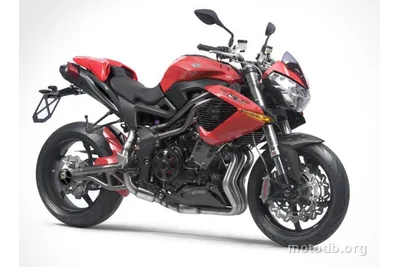
Century Racer 1130
Reviews & comments
No reviews yet. Be the first to share your opinion!