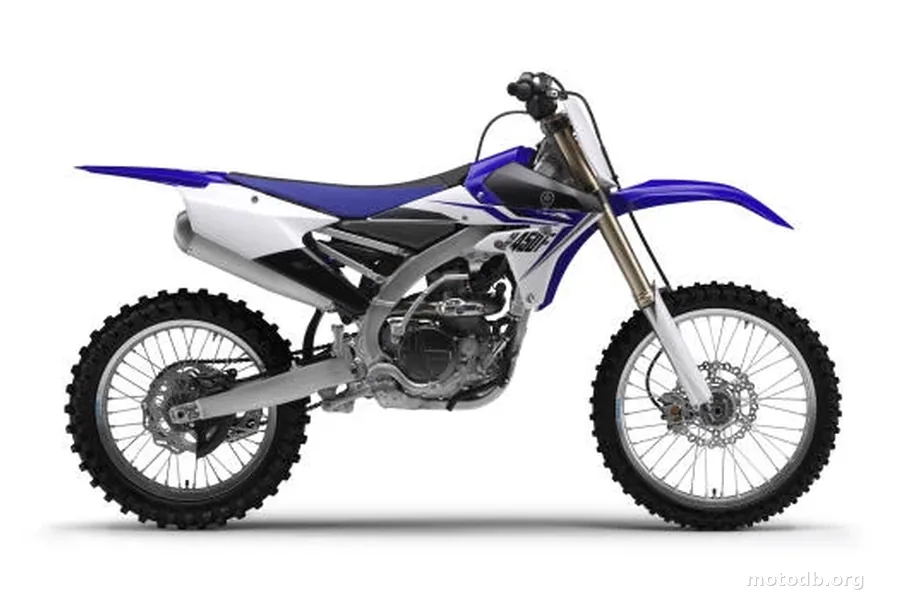
Key performance
Technical specifications
- Power
- 55.0 ch (40.5 kW) → 53.0 ch (39.0 kW)
- Torque
- — → 45.1 Nm
- Compression ratio
- 12.8 : 1 → 12.5 : 1
- Fuel system
- Injection Ø 44 mm → Injection
- Rear suspension
- Mono-amortisseur, déb : 317 mm → Mono-amortisseur, déb : 315 mm
- Rear tyre
- 120/80-19 → 110/90-19
- Seat height
- 980.00 mm → 965.00 mm
- Fuel capacity
- 6.10 L → 7.50 L
- Weight
- 111.00 kg → 112.00 kg
- New price
- 9 199 € → 8 699 €
Engine
- Displacement
- 450 cc
- Power
- 53.0 ch (39.0 kW)
- Torque
- 45.1 Nm
- Engine type
- Monocylindre, 4 temps
- Cooling
- liquide
- Compression ratio
- 12.5 : 1
- Bore × stroke
- 97 x 60.8 mm
- Valves/cylinder
- 4
- Camshafts
- 2 ACT
- Fuel system
- Injection
Chassis
- Frame
- Semi double berceau en alu
- Gearbox
- boîte à 5 rapports
- Final drive
- Chaîne
- Front suspension
- Fourche téléhydraulique inversée Ø nc, déb : 310 mm
- Rear suspension
- Mono-amortisseur, déb : 315 mm
Brakes
- Front brakes
- Freinage 1 disque Ø 270 mm, étrier 2 pistons
- Rear brakes
- Freinage 1 disque Ø 245 mm, étrier simple piston
- Front tyre
- 80/100-21
- Rear tyre
- 110/90-19
Dimensions
- Seat height
- 965.00 mm
- Fuel capacity
- 7.50 L
- Weight
- 112.00 kg
- New price
- 8 699 €
Overview
Imagine yourself on the starting grid, your heart pounding, your hands clenched on the controls. Next to you, a 112 kg beast, fully equipped, ready to unleash its 53 horsepower with calculated brutality. This is not a machine for dilettantes; it is a weapon of war designed for the terrain. The Yamaha YZ 450 F, in its 2017 version, represents the culmination of several years of refinements following the 2014 architectural upheaval. Yamaha did not revolutionize the appearance this year, contenting itself with revised graphics and a rear disc harmonized with the front. But beneath this apparent calm, the war of evolutions continues.
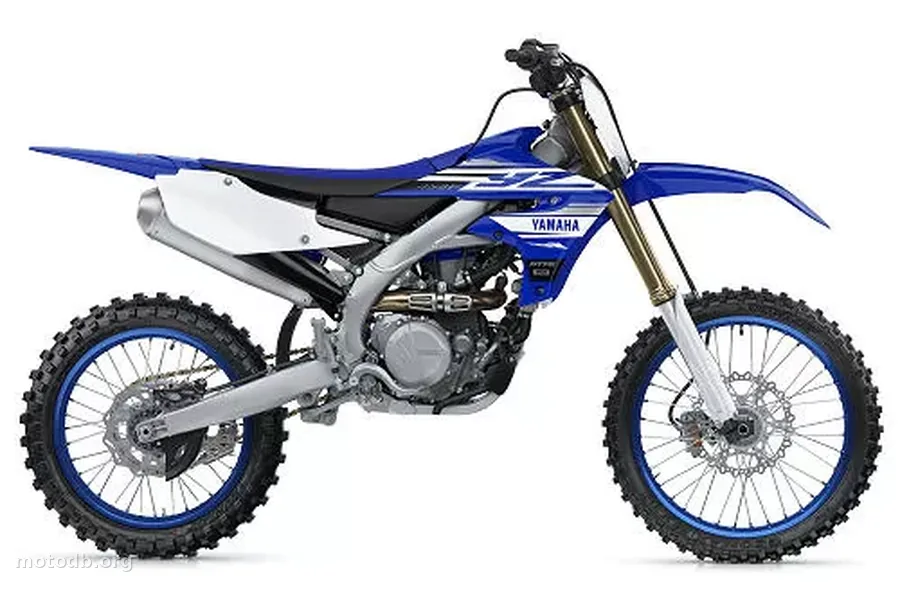
The philosophy of this motorcycle is clear: to dominate. Its rearward-tilted single cylinder and reverse-flow cylinder head are technical signatures that give it a voracious intake and efficient combustion. The power, around 45 Nm of torque, is there, but the emphasis has been placed on handling and flexibility. Engineers have retouched the camshaft profiles, reducing overlap angles for better response at low and mid-range RPM. The objective was clear: a motorcycle that is easier to ride, which does not exhaust you in technical sections, but which retains its ability to pulverize the competition on corner exits. Compared to some more aggressive competitors, the YZ 450 F seeks this balance between ferocity and control.
The real secret weapon of this generation, introduced in 2016 and still present in 2017, is its launch control system, the LCS. This is not a simple rudimentary anti-wheelie system. It is an intelligent system that communicates with the injection, regulating the engine speed to optimize the power sent to the chain. On the starting grid, this translates to faster and less bucking launches, a huge psychological and practical advantage. For the amateur or professional rider, it means being able to focus on your clutch and your position, not on managing a monster that wants to rear up. The transmission has also been refined with a stiffer selection spring and redesigned components for sharper gear changes, even under stress.
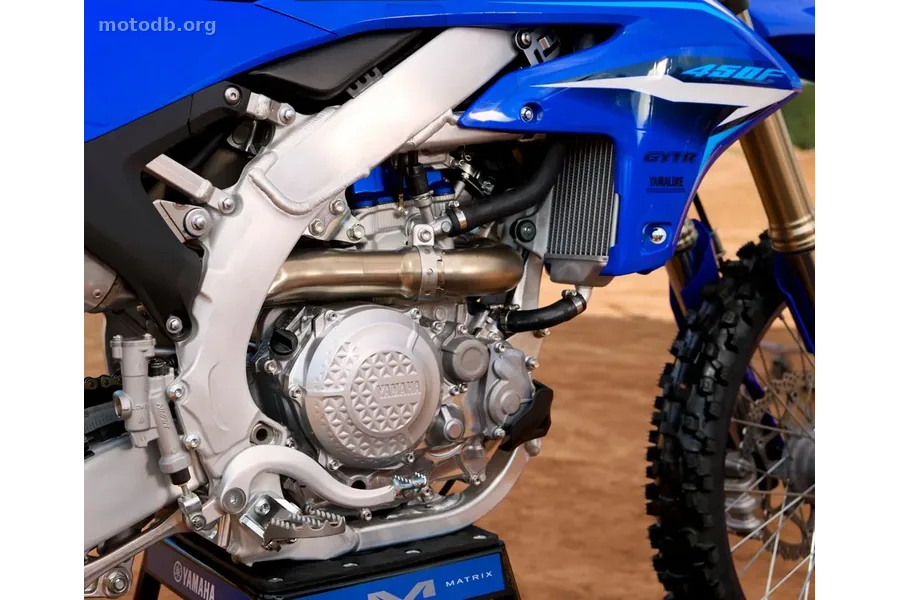
The chassis and suspension have undergone subtle but decisive modifications. The frame has been laterally stiffened, with a wider swingarm pivot and redesigned engine mounts. The modified offset fork, now at 25 mm, and revised suspension settings aim for more effective bump absorption and improved front grip. They seek that magical balance between slalom agility and straight-line stability. The front brake, with its 270 mm disc, offers power and progressiveness that inspire confidence when attacking corners. These adjustments, combined with a featherweight weight of 112 kg full of fuel, make this motorcycle a machine of surprising agility for its class.
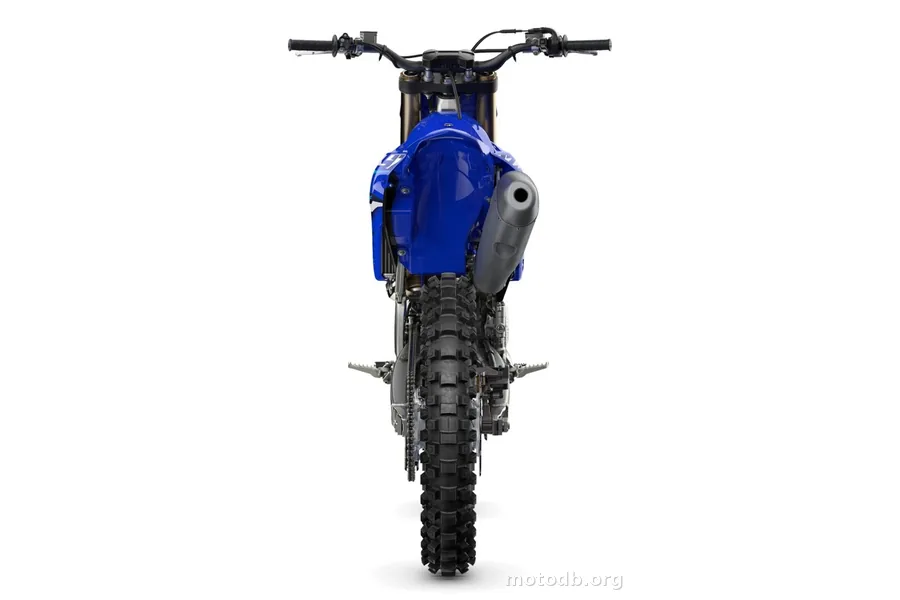
Who is the Yamaha YZ 450 F for? It targets the serious motocross rider, one who participates in local or national races and who is looking for a reliable, high-performance machine, but also more affordable than factory team prototypes. Its price, around 8699 euros at the time, positioned it in the accessible high-end. The Yamaha Power Tuner option, allowing modification of engine maps without a computer, is a major argument for riders wanting to adapt their machine to the conditions. In 2017, it was no longer the radical novelty, but the refined, optimized version of what was already a benchmark. It proves that continuous evolution, focused on ease of riding and efficiency, can be more rewarding than a revolution at any cost. It is a machine that does not wage war on you, but that helps you wage it on others.
Indicators & positioning
Similar bikes
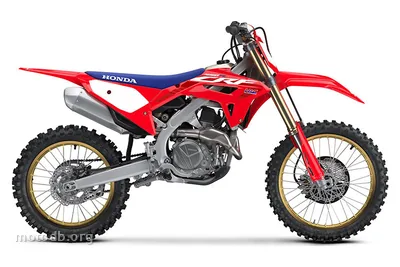
CRF450R 50 Anniversary
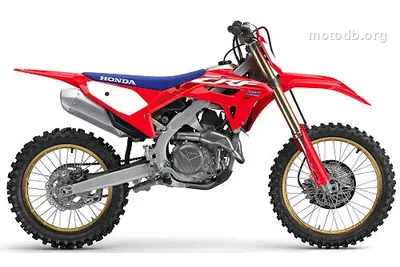
CRF 450 R 50eme anniversaire
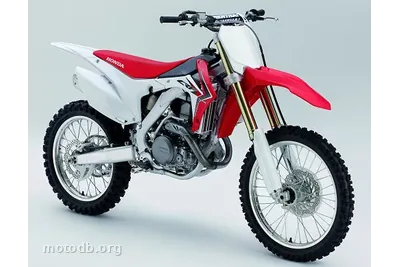
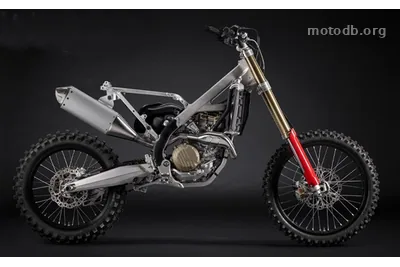
Desmo450 MX
Desmo450 MX Factory
Reviews & comments
No reviews yet. Be the first to share your opinion!