Key performance
Technical specifications
Engine
- Displacement
- 689 cc
- Power
- 73.0 ch @ 8750 tr/min (53.7 kW)
- Torque
- 66.7 Nm @ 6500 tr/min
- Engine type
- Bicylindre en ligne, 4 temps
- Cooling
- liquide
- Compression ratio
- 11.5 : 1
- Bore × stroke
- 80 x 68.6 mm
- Valves/cylinder
- 4
- Camshafts
- 2 ACT
- Fuel system
- Injection
Chassis
- Frame
- type Diamant en tubes d'acier
- Gearbox
- boîte à 6 rapports
- Final drive
- Chaîne
- Front suspension
- Fourche téléscopique Ø 41 mm, déb : 130 mm
- Rear suspension
- Mono-amortisseur, déb : 130 mm
Brakes
- Front brakes
- Freinage 2 disques Ø 298 mm, étrier 4 pistons
- Rear brakes
- Freinage 1 disque Ø 245 mm, étrier simple piston
- Front tyre
- 120/70-17
- Front tyre pressure
- 2.25 bar
- Rear tyre
- 180/55-17
- Rear tyre pressure
- 2.50 bar
Dimensions
- Seat height
- 805.00 mm
- Fuel capacity
- 14.00 L
- Weight
- 184.00 kg
- New price
- 7 599 €
Overview
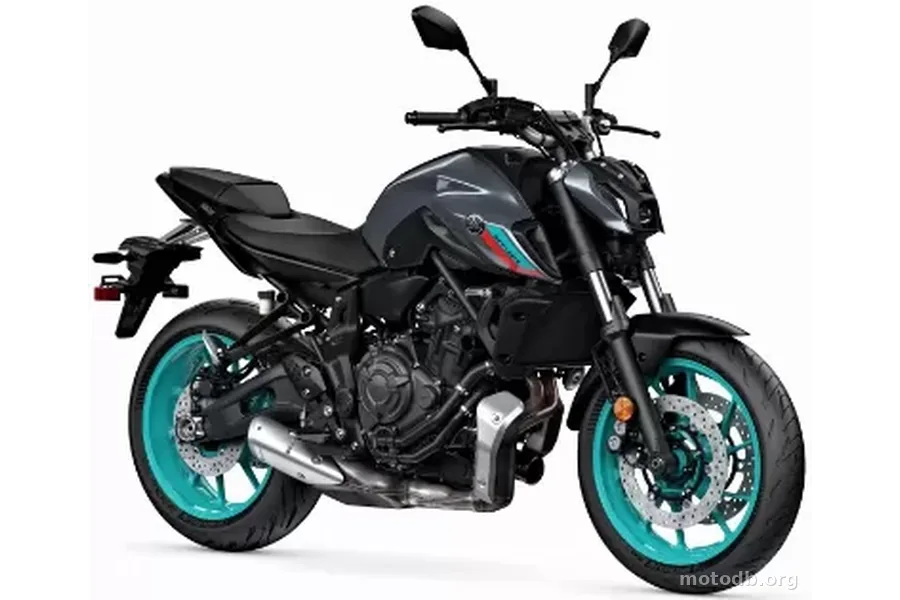
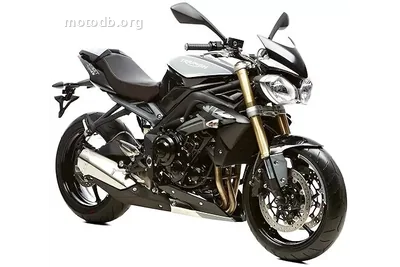
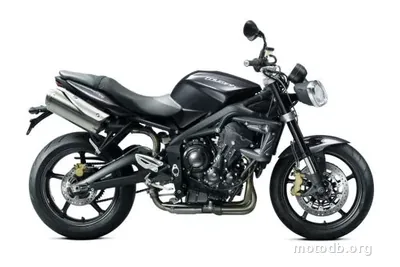
You thought you'd made your choice, and then the Yamaha catalog throws an unexpected dilemma your way. The MT-07 now comes in two versions that are virtually identical on paper: the "phase 3.1" and the Pure. Same aggressive silhouette, same 689 cc inline twin, same 73 horsepower at 8,750 rpm and 66.7 Nm of torque at 6,500 rpm. So why on earth offer two bikes so similar? The answer comes down to one figure: 400 euros. That's the price gap separating the Pure, listed at 7,599 euros, from its better-equipped twin. Enough to buy a decent helmet and a pair of gloves, or simply keep some breathing room in the budget of a freshly earned A2 license.
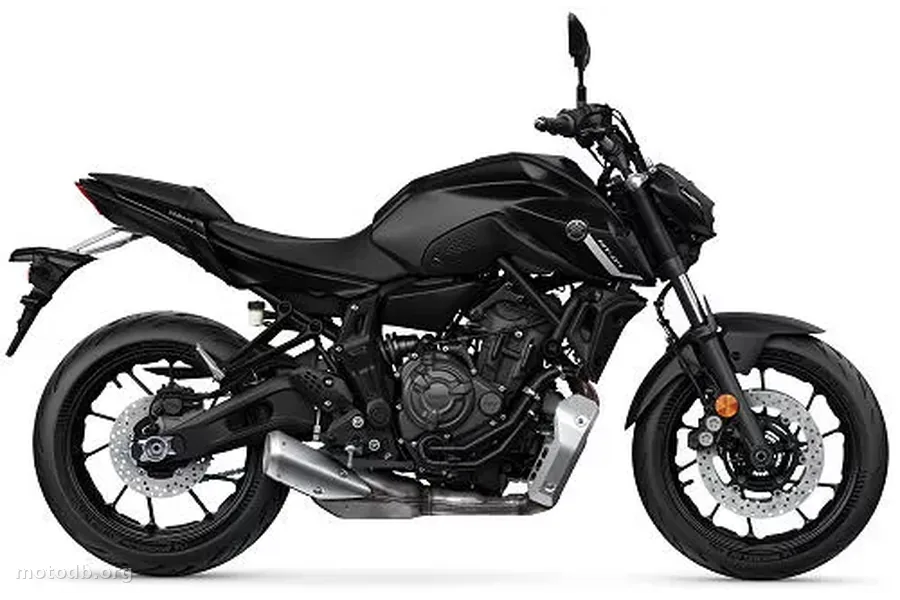
In practical terms, the MT-07 Pure builds on the version 3 platform sold between 2020 and 2022. Yamaha took the scalpel to the equipment, not the mechanicals. The LCD screen replaces the color TFT found on the rest of the range. The optional quickshifter? Forget it. The single colorway, a plain black with no frills, confirms the philosophy: here, you're paying to ride, not to show off. Under the skin, nothing changes. The CP2 twin, still fuel-injected and running an 11.5:1 compression ratio, delivers its horsepower with the same generosity. The Michelin tire fitment remains identical, as do the suspensions, with their 41 mm telescopic fork and mono-shock each offering 130 mm of travel. No unpleasant surprises on that front.
What strikes you about this Pure is precisely what it doesn't have. No traction control, no riding modes, no Bluetooth connectivity. Just mandatory ABS and an engine that runs. In a market where every manufacturer stacks electronic aids to justify ever-rising price tags, Yamaha takes the opposite approach. The diamond-type steel tube frame keeps the weight at 184 kg wet, the 14-liter tank provides reasonable range without adding bulk, and the 805 mm seat height remains accessible to most riders. You get that agility which has defined the MT-07's reputation since day one. The bike dives into corners with a disarming ease for a machine at this price point. The one recurring gripe: the 180/55-17 rear tire remains oversized relative to the 73 horsepower on tap. It looks good, it fills the swingarm nicely, but a 160 would probably have made the bike even livelier on corner entry.
Against the competition, the Pure sits squarely in the crosshairs of the Kawasaki Z650 and the Suzuki SV650, two rivals playing the same card of an accessible, versatile roadster. It beats them on engine character—the CP2 twin has a personality the others struggle to match—but gives up ground on the suspension, still a notch below what you'd expect at this price level. BMW tried a similar approach in 2017 with the R nineT Pure, a stripped-down version of its neo-retro roadster. Yamaha applies the formula to the entry-level segment, and it's a shrewd move. Rather than letting budget-conscious buyers drift toward the competition, the Iwata manufacturer extends a hand with a machine that's technically identical where it matters.
The MT-07 Pure is aimed at those who want the riding pleasure without paying the technology surcharge. Young A2 license holders, urban riders, pragmatic motorcyclists who'd rather invest the savings in a quality exhaust or a track day course. It revolutionizes nothing, but it serves as a reminder of a simple truth: a good motorcycle is first and foremost an engaging engine, an effective chassis, and a contained weight. The rest is just trimming.
Standard equipment
- Assistance au freinage : ABS
- Bluetooth
Practical info
- Véhicule accessible au permis A2 ou bridable à 47.5ch / 35 Kw
- La moto est accessible aux permis : A, A2
Reviews & comments
No reviews yet. Be the first to share your opinion!