Key performance
Technical specifications
Engine
- Displacement
- 1293 cc
- Power
- 158.2 ch @ 9000 tr/min (115.5 kW)
- Torque
- 135.0 Nm @ 8000 tr/min
- Engine type
- In-line four, four-stroke
- Cooling
- Liquid
- Compression ratio
- 13.0:1
- Bore × stroke
- 80.0 x 64.3 mm (3.1 x 2.5 inches)
- Valves/cylinder
- 4
- Fuel system
- Injection. Electronic intake pipe injection/digital engine management including knock sensor (BMS-K)
- Valve timing
- Double Overhead Cams/Twin Cam (DOHC)
- Lubrication
- Dry sump
- Starter
- Electric
Chassis
- Frame
- Bridge-type frame, cast aluminium, load-bearing engine
- Gearbox
- 6-speed
- Final drive
- Shaft drive (cardan) (final drive)
- Clutch
- Multiple-disc clutch in oil bath, hydraulically operated
- Front suspension
- BMW Motorrad Duolever
- Rear suspension
- Cast aluminium single-sided swing arm with BMW Motorrad Paralever
- Front wheel travel
- 115 mm (4.5 inches)
- Rear wheel travel
- 135 mm (5.3 inches)
Brakes
- Front brakes
- Double disc. Anti-Lock Brakes
- Rear brakes
- Single disc
- Front tyre
- 120/70-ZR17
- Rear tyre
- 180/55-ZR17
Dimensions
- Seat height
- 820.00 mm
- Wheelbase
- 1572.00 mm
- Length
- 2318.00 mm
- Width
- 965.00 mm
- Height
- 1438.00 mm
- Fuel capacity
- 24.00 L
- Weight
- 288.00 kg
- Dry weight
- 255.00 kg
Overview
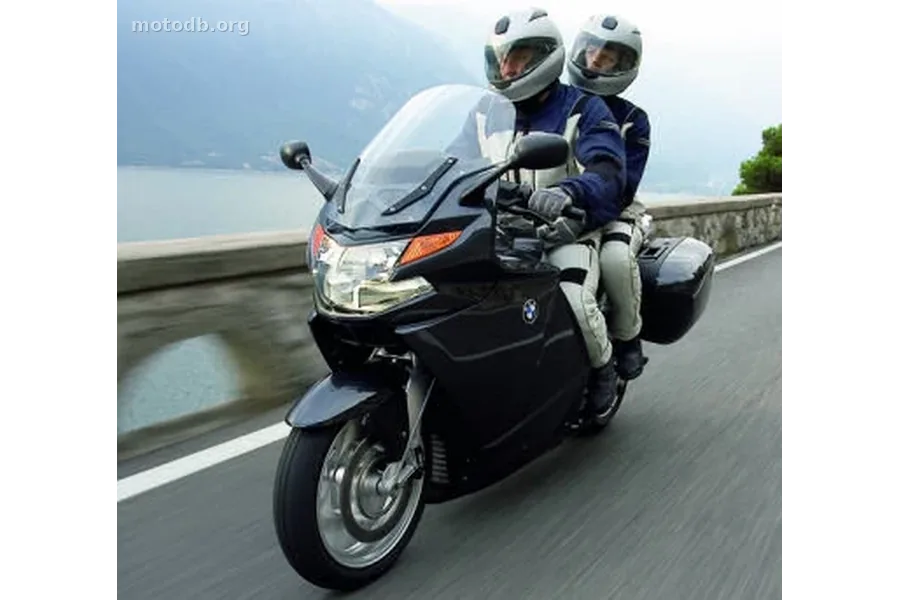
When Munich decides to raise the stakes, it doesn’t do so halfway. The K series had already established itself at the top of the sporty grand touring hierarchy with the 1200 GT, but pressure was mounting from the Japanese. The Yamaha FJR 1300 and the Kawasaki 1400 GTR had demonstrated their ability to comfortably cover long distances. The Bavarian response? An expanded bore, 1293 cm³ machined in the same vein as the S’s inline four-cylinder, 160 horsepower at 9000 rpm, and 135 Nm of torque at 8000 rpm. Eight horsepower more than the previous engine, a measured but significant gain in the midrange, where a touring bike spends most of its time.
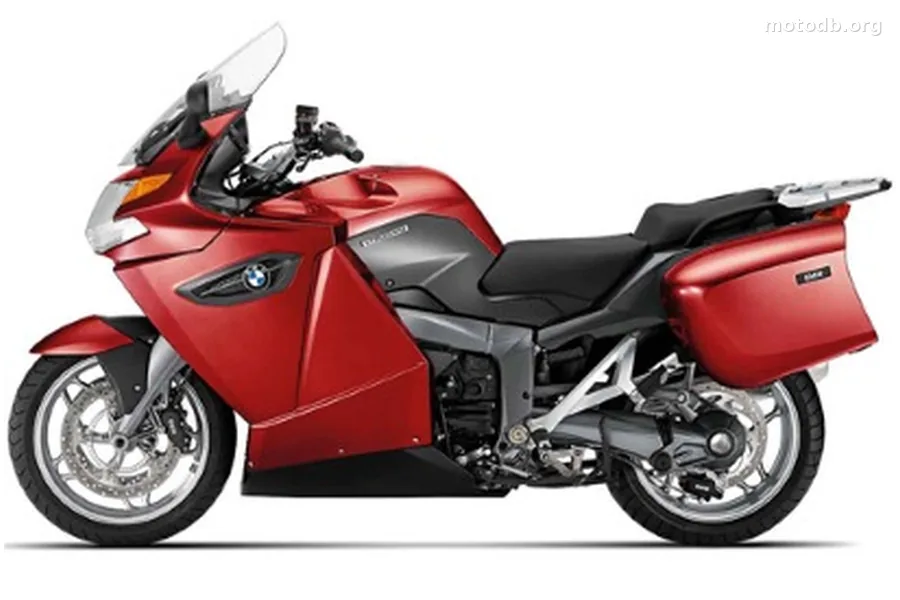
What distinguishes the BMW K 1300 GT from its sportier cousins is precisely this choice of mapping. Where the 1300 S pushes hard at the top of the rev range, the GT was designed for the rider who covers 800 kilometers in a row without torturing their wrists. Torque is present from 3500 rpm, the shaft drive absorbs jolts without requiring any maintenance, and the 255 kg dry weight fades into the background at highway speeds. The 288 kg fully fueled, however, reminds you of its presence when exiting a parking lot. At a seat height of 820 mm, average-sized riders will need to choose between the optional low seat or some flexibility in their joints. In terms of BMW K 1300 GT autonomy, the 24-liter tank combined with a consumption figure of 5 liters per 100 km promises stages exceeding 400 kilometers, which is in the high range of the segment.
The technical specifications of the BMW K 1300 GT 2010 rely on solutions that the brand has favored for years. The Duolever at the front, with its reworked lower longitudinal arm for increased precision, and the Paralever at the rear form a duo that offers near-total separation between braking and steering geometry. The cast aluminum frame, in which the engine plays a structural role, contributes to the rigidity of the whole. The concrete result of a BMW K 1300 GT test is a motorcycle that inspires confidence in fast curves, more than you would expect from a machine of this category and weight. The maximum speed reaches 250 km/h, which positions the GT well beyond what is necessary, even once unrestricted for progressive A license holders.
The fairing has gained character without breaking with the identity of the series. The side vents signed Helix Motorrad, the electrically adjustable windshield as standard, the redesigned switches, and the revised instrumentation form a cohesive whole for those seeking a BMW K 1300 GT without compromise on daily comfort. But it is in the options catalog that BMW reveals its philosophy, and its appetite for margins. Electronic adjustable suspension ESA II, traction control ASC, cruise control, heated grips and seat, xenon headlight, anti-theft alarm, integrated navigation. Each box ticked pushes the bill well beyond the base price of 18,400 euros. The reliability of the BMW K 1300 GT is generally recognized in models of this generation, with particular attention to be paid to the BMW K 1300 GT battery and BMW K 1300 GT maintenance interventions, which, at an authorized dealer, weigh on the total cost of ownership.
For those looking for a used BMW K 1300 GT, the 2010 model year represents a mature version of the series. The BMW K 1300 GT 2010 specifications have not fundamentally evolved until production ceased, with the 2012 versions mainly refining the electronic settings. This grand tourer is aimed at experienced riders, comfortable with a large machine, who refuse to choose between miles devoured and the pleasure of driving. It’s not a motorcycle for everyone, and BMW isn’t trying to convince the undecided.
Indicators & positioning
Similar bikes
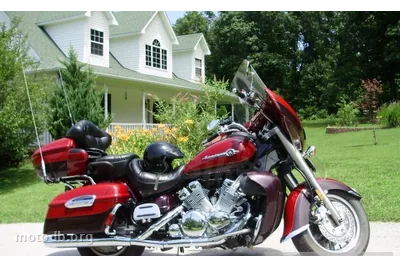
XVZ 1300 A Royal Star
Reviews & comments
No reviews yet. Be the first to share your opinion!