Key performance
Technical specifications
Engine
- Displacement
- 865 cc
- Power
- 68.0 ch @ 7500 tr/min (50.0 kW)
- Torque
- 67.7 Nm @ 5800 tr/min
- Engine type
- Bicylindre parallèle, 4 temps
- Cooling
- combiné air / huile
- Compression ratio
- 9.2 : 1
- Bore × stroke
- 90 x 68 mm
- Valves/cylinder
- 4
- Camshafts
- 2 ACT
- Fuel system
- Injection
Chassis
- Frame
- Double berceau en acier
- Gearbox
- boîte à 5 rapports
- Final drive
- Chaîne
- Front suspension
- Fourche téléhydraulique Ø 41 mm, déb : 120 mm
- Rear suspension
- 2 amortisseurs latéraux, déb : 105 mm
Brakes
- Front brakes
- Freinage 1 disque Ø 310 mm, étrier 2 pistons
- Rear brakes
- Freinage 1 disque Ø 255 mm, étrier 2 pistons
- Front tyre
- 110/70-17
- Front tyre pressure
- 2.30 bar
- Rear tyre
- 130/80-17
- Rear tyre pressure
- 2.80 bar
Dimensions
- Seat height
- 751.00 mm
- Fuel capacity
- 16.60 L
- Dry weight
- 200.00 kg
Overview
When Swiss watchmaking and British motorcycling decide to raise a glass together, it's rarely trivial. And when the ghost of Steve McQueen looms over the table, the result can only be an object of desire. The Triumph 865 Bonneville Tag Heuer, unveiled in Paris in June 2009 before Lewis Hamilton himself, was born from this particular alchemy between two houses that each claim a piece of the McQueen legend. Triumph for the motorcycle, Tag Heuer for the Monaco watch worn in the 1970 film Le Mans. Forty years after the birth of that mythical chronograph, the two brands sealed their shared history in a unique edition that qualifies as much as a collector's piece as a motorcycle.
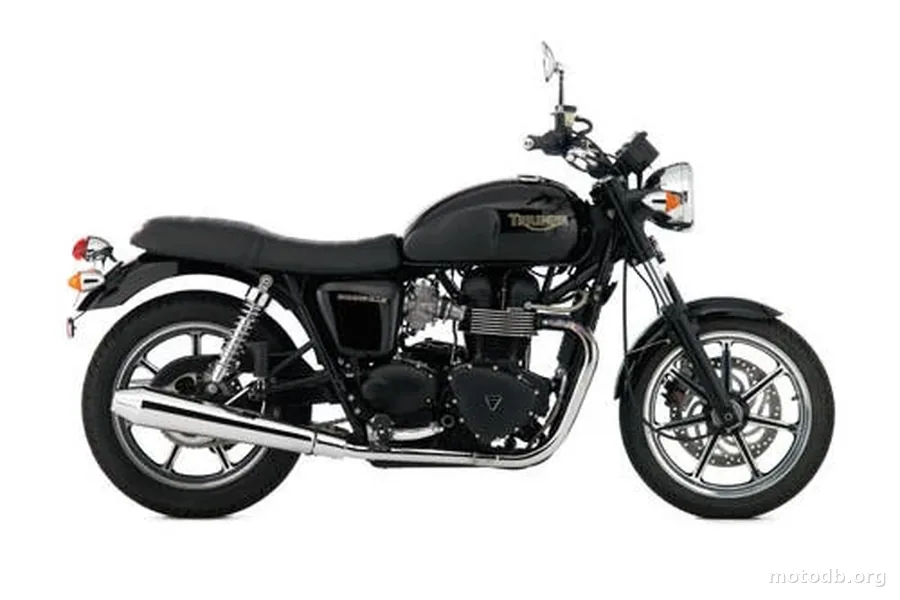
Mechanically speaking, no revolution lurks beneath the 16.6-litre tank. We find the familiar 865 cc parallel twin with four valves per cylinder, true to form with its 68 horsepower at 7,500 rpm and 67.7 Nm of torque available from just 5,800 rpm. This is not a thrill-seeking powerplant, but a characterful engine that favours flexibility over frenzy. With a 90 mm bore, a 68 mm stroke, and a 9.2:1 compression ratio, the Triumph twin plays the card of smoothness and availability rather than sharp-edged performance. The five-speed gearbox is more than sufficient to exploit this powertrain without tiring out the left wrist, and chain final drive remains a classic choice for this category.
On the chassis side, the steel double cradle frame wraps everything up with thoroughly British rigour. The 41 mm telehydraulic fork provides 120 mm of travel at the front, while the pair of rear shocks makes do with 105 mm at the back. Classic, solid, with no sporting pretensions. The braking, with its single 310 mm front disc gripped by a two-piston caliper and a 255 mm rear disc, gets the job done without excessive enthusiasm. The 200 kg dry weight is a reminder that this Bonneville is no ballerina, but the seat perched at just 751 mm makes it accessible to most rider builds. The claimed top speed of 170 km/h clearly places the machine in the realm of cruising rather than attacking.
The real appeal of this Bonneville Tag Heuer obviously lies in its livery. Inspired by the colours of the Monaco Calibre 12 chronograph, itself a nod to the Gulf-liveried Porsche 917K that McQueen drove on the silver screen, this Triumph's paintwork tells a story at every glance. It is an exercise in style, a bridge between two worlds that share a taste for fine mechanical craft and a certain flair for panache. The collector with a fondness for beautiful machines, whether horological or motorcycling, will find a fascinating playground here. For everyone else, those looking for an everyday motorcycle, the standard Bonneville will do exactly the same job for considerably less money.
As befits a unique piece, this Triumph 865 Bonneville Tag Heuer was never intended to ride every street. It speaks to enthusiasts who see in motorcycling something beyond mere transportation, to those for whom the name McQueen evokes more than just a Hollywood actor. A beautiful object, admittedly limited mechanically compared to what today's neo-retro competition offers, but whose value is measured in shared history rather than horsepower at the crankshaft.
Practical info
- La moto est accessible aux permis : A
Indicators & positioning
Similar bikes
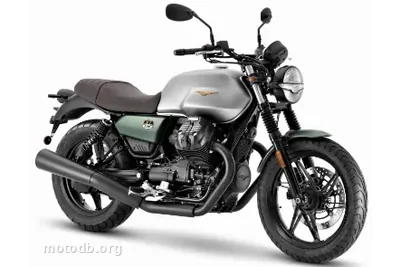
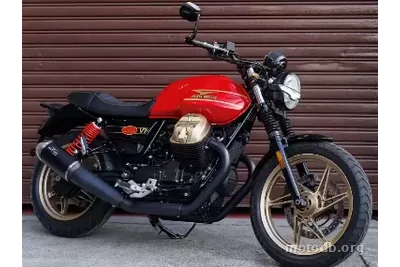
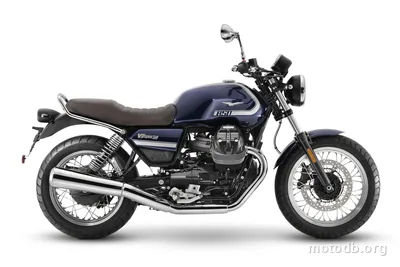
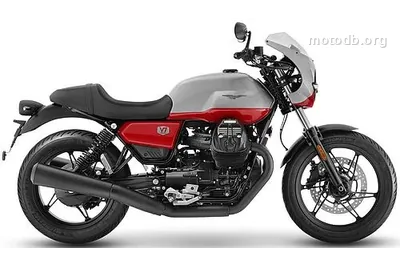
V7 Stone Centenario
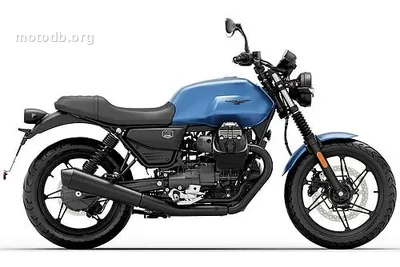
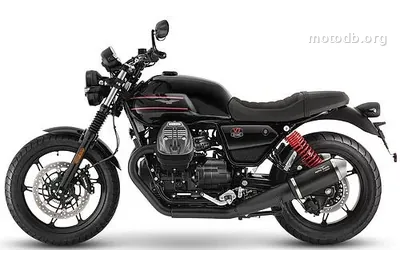
850 V7 Stone Special Edition
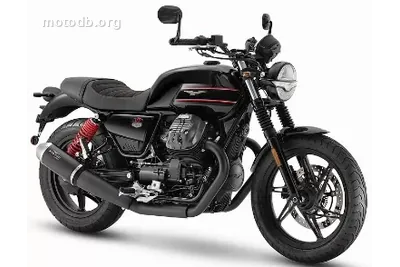
850 V7 Stone Ten
Reviews & comments
No reviews yet. Be the first to share your opinion!