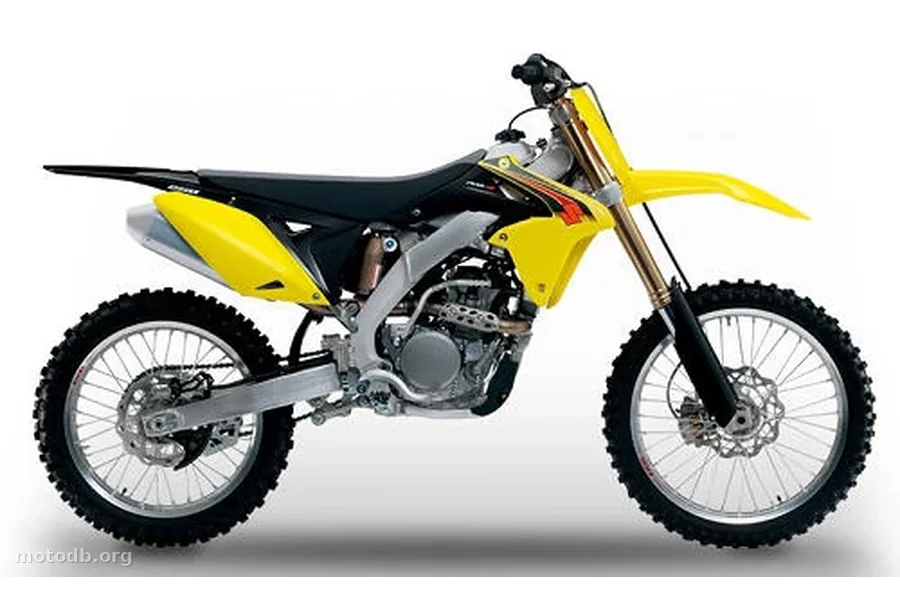
Key performance
Technical specifications
- Power
- — → 38.0 ch (27.9 kW)
- Compression ratio
- 13.4:1 → 13.5:1
- Valves/cylinder
- — → 4
- Camshafts
- — → 2 ACT
- Fuel system
- Carburettor. Keihin → Injection
- Ignition
- Electronic ignition → Electronic
- Starter
- — → Kick
- Frame
- — → périmétrique en aluminium
- Front suspension
- Telescopic, coil spring, oil damped → Inverted telescopic, air spring, oil damped
- Rear suspension
- Swingarm type → Link type, coil spring, oil damped
- Front tyre
- 80/90-M,21 → 80/100-21
- Rear tyre
- 100/90-M,19 → 100/90-19
- Wheelbase
- 1465.00 mm → 1475.00 mm
- Ground clearance
- 350.00 mm → 345.00 mm
- Length
- 2165.00 mm → 2170.00 mm
- Height
- 1260.00 mm → 1270.00 mm
- Fuel capacity
- 7.00 L → 6.50 L
- Weight
- 102.00 kg → 106.00 kg
- New price
- — → 8 299 €
Engine
- Displacement
- 249 cc
- Power
- 38.0 ch (27.9 kW)
- Engine type
- Single cylinder, four-stroke
- Cooling
- Liquid
- Compression ratio
- 13.5:1
- Bore × stroke
- 77.0 x 53.6 mm (3.0 x 2.1 inches)
- Valves/cylinder
- 4
- Camshafts
- 2 ACT
- Fuel system
- Injection
- Valve timing
- Double Overhead Cams/Twin Cam (DOHC)
- Lubrication
- Semi-dry sump
- Ignition
- Electronic
- Starter
- Kick
Chassis
- Frame
- périmétrique en aluminium
- Gearbox
- 5-speed
- Final drive
- Chain (final drive)
- Front suspension
- Inverted telescopic, air spring, oil damped
- Rear suspension
- Link type, coil spring, oil damped
Brakes
- Front brakes
- Single disc
- Rear brakes
- Single disc
- Front tyre
- 80/100-21
- Rear tyre
- 100/90-19
Dimensions
- Seat height
- 955.00 mm
- Wheelbase
- 1475.00 mm
- Ground clearance
- 345.00 mm
- Length
- 2170.00 mm
- Width
- 830.00 mm
- Height
- 1270.00 mm
- Fuel capacity
- 6.50 L
- Weight
- 106.00 kg
- New price
- 8 299 €
Overview
Do you remember a time when a 250 four-stroke simply being reliable and easy to live with was enough? The Suzuki RM-Z250, however, never really played that game. In 2017, it appeared with the clear ambition of keeping pace with factory machines, and that can still be felt today. For a little over €8,000 at the time, it bet on pure technology, a bold choice in a category where simplicity is often queen.
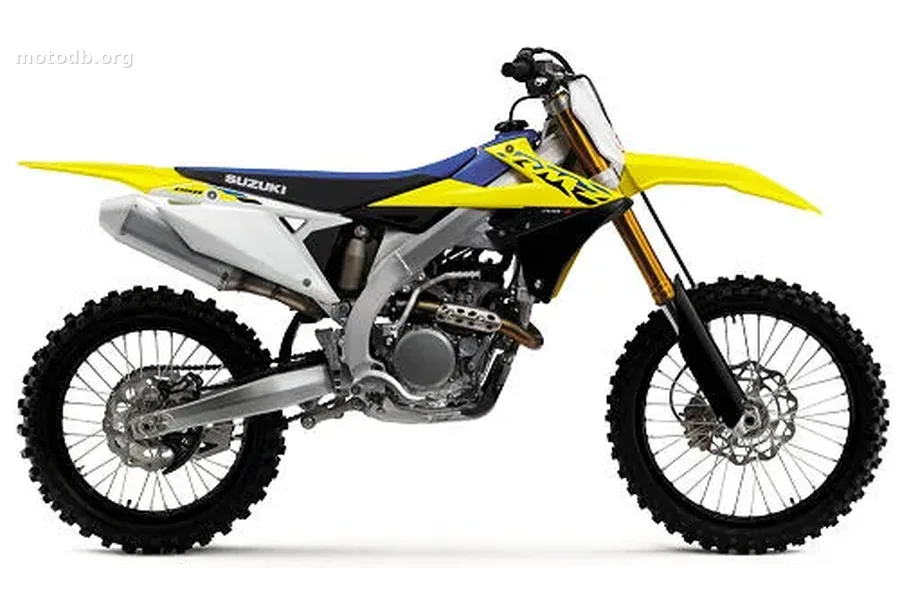
The heart of the matter is, of course, its engine. With approximately 38 horsepower delivered by its single-cylinder, raw power was never the sole objective. The stated goal of the engineers was elasticity and ease of use. They reworked more than 80 internal parts, fitted specific camshafts, and adjusted the compression ratio to soften the gas flow. The result? An engine that doesn’t frighten you with a brutal jerk, but pulls you with remarkable generosity from the mid-range. It’s this approach, this powerful four-stroke engine with easily accessible power, that has often led to the Suzuki RM-Z250 being praised as a versatile, solid, and interesting motorcycle for newcomers to motocross. It forgives more than a Honda CRF250R or a KTM 250 SX-F, which are clearly more sophisticated and demanding.
But where the Japanese manufacturer really wanted to score points was with its equipment. The major selling point was the Suzuki Holeshot Assist Control (S-HAC), an assisted launch system directly borrowed from the 450 factory bike. Two modes to adapt to the grid’s traction – that looked impressive on paper. In practice, it was a valuable tool for the amateur rider seeking an advantage at the start without being a throttle control expert. The other major evolution was the adoption of the KYB PSF2 pneumatic fork at the front. No more spring changes, a simple adjustment of air pressure allowed you to find your setting. Combined with a refined chassis and a contained weight of around 106 kg fully fueled, it aimed for precision in corners without sacrificing stability.
So, who rides this RM-Z250? It hits the mark perfectly for the serious motocross rider who wants a machine capable of performing on weekends without being a mechanical headache during the week. Its progressive engine and S-HAC make it a less intimidating ally than some Austrian competitors. However, its "too clean" character could leave aggressive riders wanting a more burly, nervous feel. It’s a machine that rewards consistency more than brute audacity. If you’re wondering what the horsepower of a 2014 Suzuki RM-Z250 or an older model is, know that the evolution has mainly focused on this linearity, much more than on a horsepower figure.
Ultimately, the 2017 RM-Z250 consolidated its reputation as a civilized race machine. It wasn’t the most radical, nor the lightest, but it offered a technological package and ease of implementation that appealed to many. It proved that you could make an effective motorcycle without necessarily making it a beast for the left wrist. Today, when we wonder about the price of the Suzuki RM-Z250 RMZ 250 2024, we are paying for a philosophy that has been widely tested and refined since this generation. It was a motorcycle that did things very well, without ever wanting to revolutionize everything, and that may be its greatest strength.
Indicators & positioning
Similar bikes
YZ250 50th Anniversary Edition
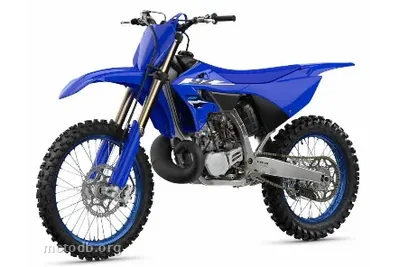
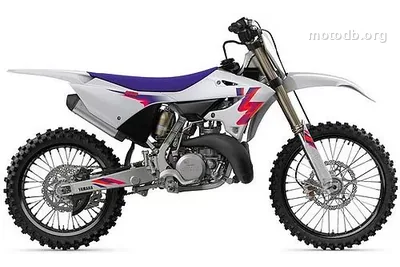
YZ 250 50eme anniversaire
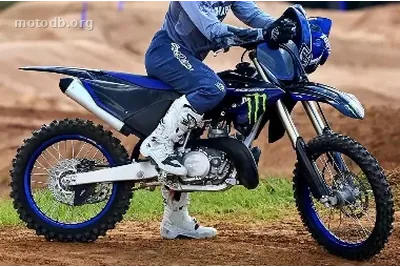
YZ 250 Monster Energy Edition
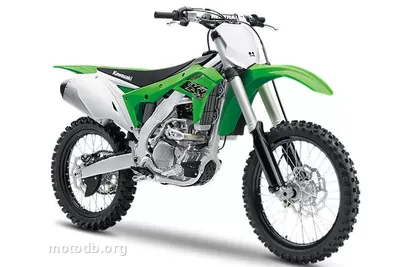
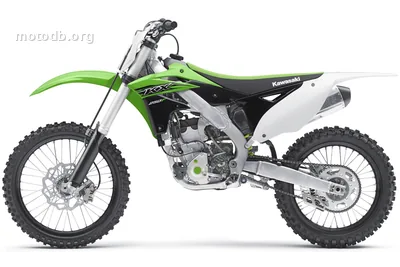
KX 250
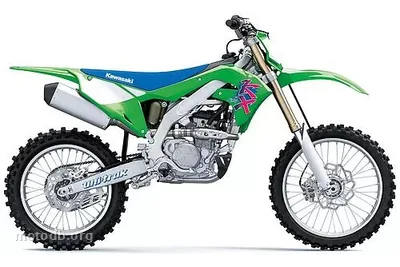
Reviews & comments
No reviews yet. Be the first to share your opinion!