Key performance
Technical specifications
Engine
- Displacement
- 999 cc
- Power
- 212.0 ch @ 13300 tr/min (155.9 kW)
- Engine type
- 4 cylindres en ligne, 4 temps
- Cooling
- liquide
- Compression ratio
- 13.5 : 1
- Bore × stroke
- 74,5 x 57,3 mm
- Valves/cylinder
- 4
- Camshafts
- 2 ACT
- Fuel system
- Injection
Chassis
- Frame
- périmétrique double poutre en alu
- Gearbox
- boîte à 6 rapports
- Final drive
- Chaîne
- Front suspension
- Fourche téléhydraulique inversée Showa Ø 42 mm
- Rear suspension
- Mono-amortisseur Showa
Brakes
- Front brakes
- Freinage 2 disques Ø 320 mm, fixation radiale, étrier 4 pistons (monoblocs)
- Rear brakes
- Freinage 1 disque Ø 220 mm, étrier 2 pistons
Dimensions
- Fuel capacity
- 23.00 L
- Dry weight
- 163.00 kg
- New price
- 100 000 €
Overview
Can a return to basics be enough to revive a machine that has lost ground to increasingly fierce competition? In 2010, Suzuki and the Alstare team seem to believe so. With a GSX-R 1000 Factory SUPERBIKE that, on paper, does not revolutionize the frame or the engine, the approach is more one of a renewal of spirit. After turbulent partnerships, the fairing now bears the logos of VIRU, an Estonian beer, and LOCTITE, more familiar to mechanical enthusiasts. But the real change, for us in France, is the arrival of Sylvain Guintoli in Francis Batta’s team, alongside Leon Haslam. This pair must inject new momentum into WSBK and awaken a machine that, despite its 212 horsepower at 13,300 rpm, has sometimes been eclipsed by the Yamaha R1, Ducati 1198 R, Aprilia RSV4, and BMW S 1000 RR.
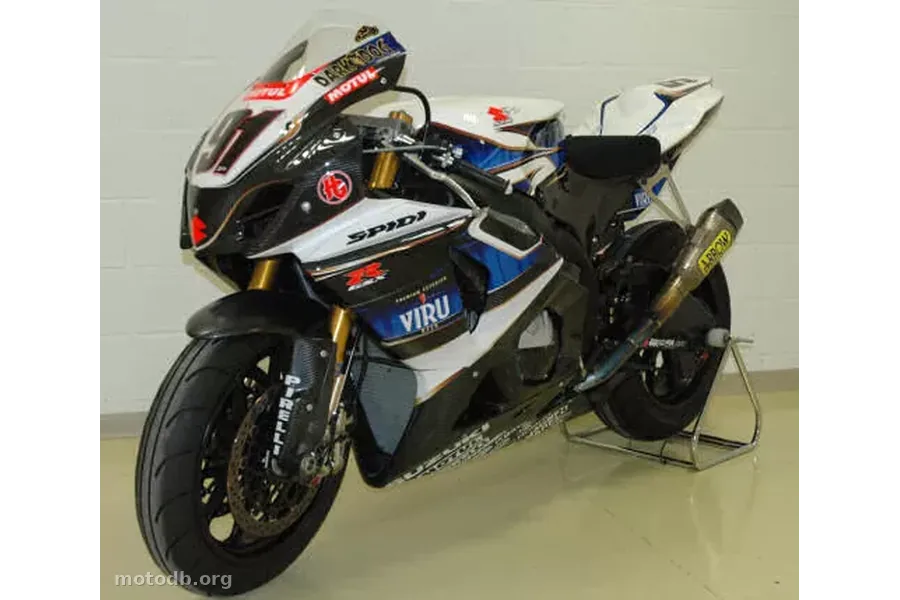
The heart of this superbike remains this large 999 cc inline four-cylinder engine, a legendary architecture that pulses with a compression ratio of 13.5:1. Suzuki announces 212 horsepower, a power that places the machine in the very select circle of hypersportives, but on the track, it has shown difficulties in keeping pace with the current leaders. The perimeter aluminum frame, the 42 mm inverted Showa fork, and the Showa monoshock constitute a solid base, enhanced here by racing equipment such as the four-piston monoblock calipers, 320 mm discs, and an Arrow exhaust system. The dry weight of 163 kg and the 23-liter fuel tank outline an aggressive silhouette, ready for battle, but the question of track velocity remains.
At a price of €100,000, this Factory SUPERBIKE Alstare is not a machine for the average motorcyclist. It explicitly targets the customer competition world and wealthy amateur riders seeking a trackday mount with a WSBK pedigree. Compared to its competitors, it offers perhaps a more traditional philosophy, less radical in its electronic or architectural innovations. Its engine, faithful to the GSX-R lineage, is a racing beast that requires high-rev usage, while its well-known chassis provides immediate confidence to experienced riders.
For the 2010 season, Suzuki celebrates the 25th anniversary of the GSX-R saga with this Alstare version. The objective is clear: to regain lost glory in WSBK. The assets are there: brute power, a balanced chassis, and now a team piloted by Guintoli and Haslam. But in the arena of hypersportives, where each year brings technological leaps, conservatism can be a handicap. This GSX-R 1000 Factory must prove that its character and return to fundamental values can compensate for the absence of groundbreaking innovations. It remains a purebred superbike, but it must now show that it can still win victories, not just evoke nostalgia.
Indicators & positioning
Similar bikes
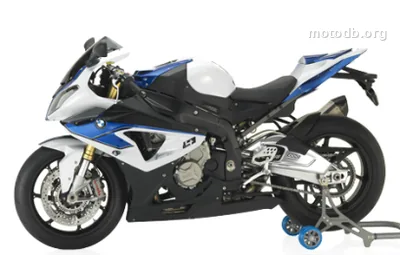
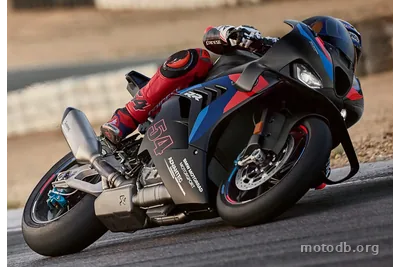
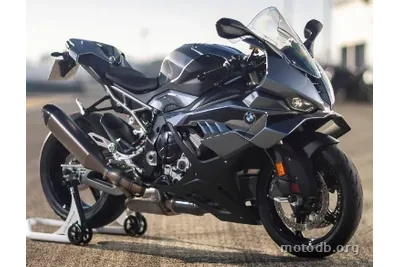
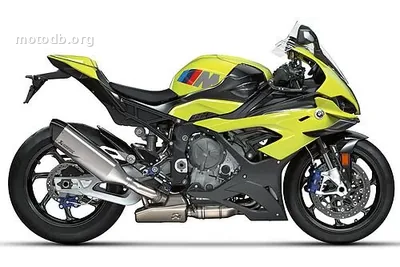
M 1000 RR 50 Years M édition
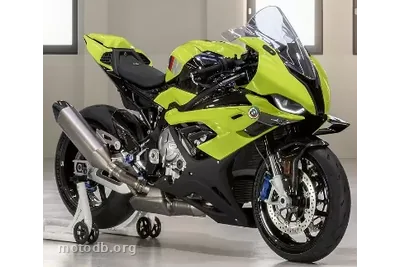
M 1000 RR WSBK Champion Edition
Reviews & comments
No reviews yet. Be the first to share your opinion!