Key performance
Technical specifications
- New price
- 11 499 € → 13 699 €
Engine
- Displacement
- 1340 cc
- Power
- 182.0 ch @ 9500 tr/min (133.9 kW)
- Torque
- 146.1 Nm @ 7200 tr/min
- Engine type
- 4 cylindres en ligne, 4 temps
- Cooling
- liquide
- Compression ratio
- 12.5 : 1
- Bore × stroke
- 81 x 65 mm
- Valves/cylinder
- 4
- Camshafts
- 2 ACT
- Fuel system
- Injection
Chassis
- Frame
- double poutre alu
- Gearbox
- boîte à 6 rapports
- Final drive
- Chaîne
- Front suspension
- Fourche téléhydraulique inversée Ø 43 mm, déb : 120 mm
- Rear suspension
- Mono-amortisseur, déb : 140 mm
Brakes
- Front brakes
- Freinage 2 disques Ø 310 mm, fixation radiale, étrier 4 pistons
- Rear brakes
- Freinage 1 disque Ø 260 mm, étrier simple piston
- Front tyre
- 120/70-17
- Rear tyre
- 200/50-17
Dimensions
- Seat height
- 805.00 mm
- Fuel capacity
- 16.50 L
- Weight
- 255.00 kg
- Dry weight
- 235.00 kg
- New price
- 13 699 €
Overview
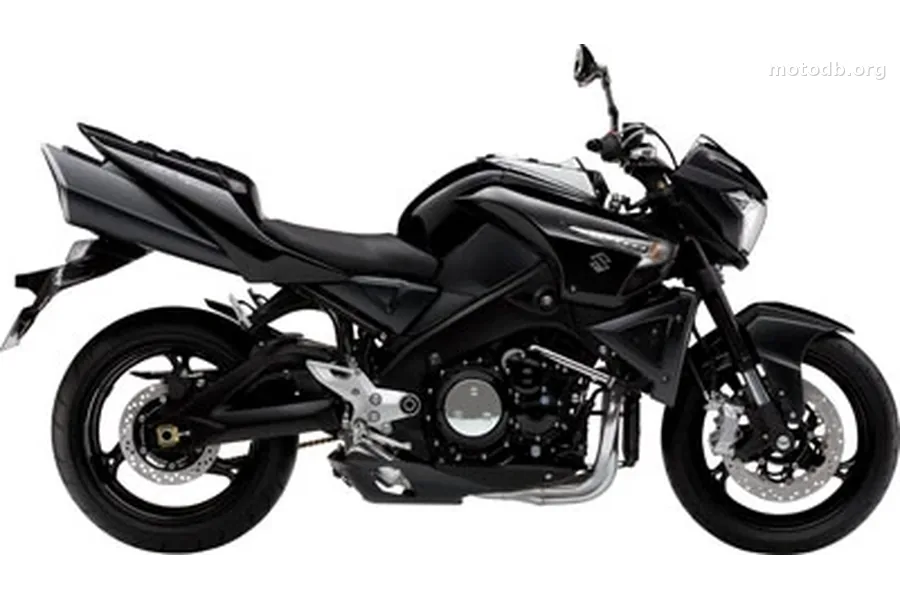
Six years. It took Suzuki six years to transform a devastating concept into a production machine. In 2001, the B-King prototype landed at the Tokyo Motor Show with a supercharger and a pitbull face. The public went wild, the press went into overdrive, then silence. And finally, in 2008, the Suzuki B-King 1300 rolled into dealerships, without the supercharger but with a spec sheet that'll make your head spin.
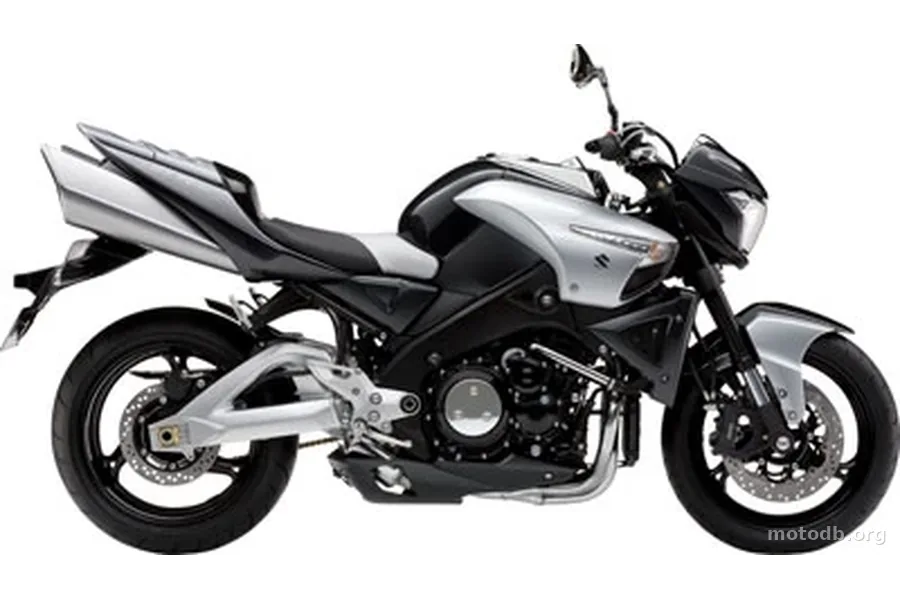
Beneath the 16.5-litre tank beats the 1340 cc inline four-cylinder borrowed from the 2008-vintage Hayabusa. A revised, recalibrated engine, but still brutal: 182 horsepower at 9,500 rpm and 146 Nm of torque at 7,200 rpm. To put the madness in perspective, the BMW K 1200 R, already considered excessive when it launched, topped out at 163 horsepower. The Suzuki B-King 1300 slaps an extra twenty horses on top. On paper, it's a roadster more powerful than most pure sportbikes of its era. In roll-on acceleration, with that kind of grunt available from the mid-range, the Japanese four-cylinder obliterates just about anything on two wheels at a traffic light.
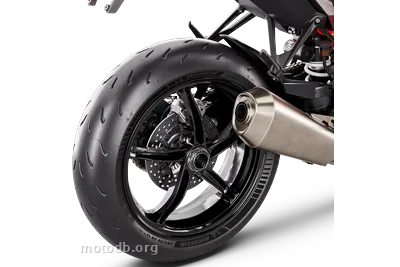
The transition from prototype to production inevitably smoothed out some edges. The headlight lost its original aggression, the clip-on handlebars gave way to a more civilised upright bar. Yet the Suzuki B-King 1300's spec sheet reveals a solid foundation: aluminium twin-spar frame, 43 mm inverted fork inherited from the GSX-R 1000, radial-mount calipers biting two 310 mm discs. The massive swingarm, the 200/50-17 rear tyre and the twin exhaust outlets sculpted into the tail section are reminders that this machine is anything but a tame roadster. At 255 kg wet and with a seat height of 805 mm, it commands presence. You don't just get on this Suzuki — you strap yourself in like a fighter jet cockpit.
Its positioning remains unique, even in hindsight. At €13,699 new when it launched, it targeted experienced riders craving raw thrills without the tucked-in stance of a hypersport. Neither a true American-style muscle bike nor a European streetfighter in the mould of the Tuono or Speed Triple, the B-King occupied a niche of its own. That of the ultimate power roadster, built for wide-open nationals and hard-hitting acceleration rather than threading through tight corners. Today, finding a used Suzuki B-King 1300 is still perfectly feasible, and prices remain reasonable for a machine of this calibre. Accessory enthusiasts will find dedicated equipment from Ermax, including belly pans and screens, to customise the beast. The 12.5:1 compression ratio and six-speed gearbox confirm an engine designed for performance, while the claimed top speed of 270 km/h makes the machine's level crystal clear.
The Suzuki B-King 1300 will be remembered as a fist slammed on the table, a declaration of raw power in a segment that never asked for this much. It didn't achieve the commercial success Suzuki had hoped for, pulled from the catalogue after just a few years of production. Perhaps too radical, perhaps too far ahead of the hyper-naked trend that would explode a decade later with the Ducati Streetfighter V4 and Kawasaki Z H2. Those who rode it remember. Those hunting for one today know exactly what they want.
Standard equipment
- Assistance au freinage : ABS en option
Practical info
- La moto est accessible aux permis : A
Reviews & comments
No reviews yet. Be the first to share your opinion!