Key performance
Technical specifications
Engine
- Displacement
- 961 cc
- Power
- 77.0 ch @ 7250 tr/min (56.6 kW)
- Torque
- 81.4 Nm @ 6300 tr/min
- Engine type
- Bicylindre en ligne, 4 temps
- Cooling
- par air
- Compression ratio
- 10.1 : 1
- Bore × stroke
- 88 x 79 mm
- Valves/cylinder
- 2
- Fuel system
- Injection Ø 35 mm
- Starter
- électrique
Chassis
- Frame
- Tubulaire en acier
- Gearbox
- boîte à 5 rapports
- Final drive
- Chaîne
- Front suspension
- Fourche téléhydraulique Öhlins Ø 43 mm, déb : 115 mm
- Rear suspension
- 2 amortisseurs latéraux Öhlins, déb : 100 mm
Brakes
- Front brakes
- Freinage Brembo
- Rear brakes
- Freinage 1 disque
- Front tyre
- 120/70-17
- Front tyre pressure
- 2.35 bar
- Rear tyre
- 180/55-17
- Rear tyre pressure
- 2.60 bar
Dimensions
- Fuel capacity
- 15.00 L
- Weight
- 230.00 kg
Overview
Swan song or well-prepared testament? This MK III marks the final straight for the Commando before Norton turns the page on this parallel-twin 961cc engine that spans several decades. An end of career, then, but not a capitulation.
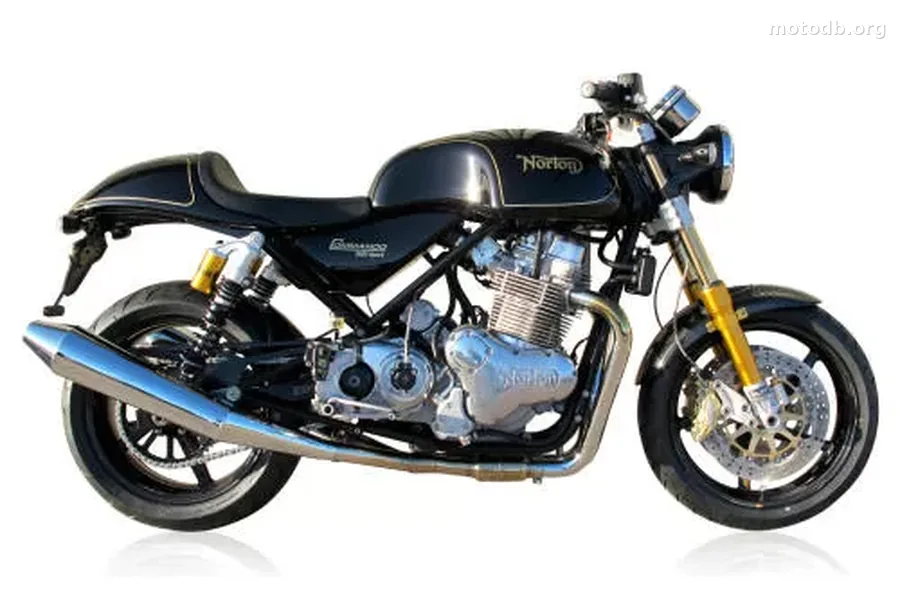
At first glance, nothing betrays the break. The lines remain as we know them, that retro curve that turns heads on cobbled streets, that slender silhouette the Japanese struggle to imitate without tipping into caricature. Yet Norton claims to have combed through 350 modifications on this version. It's believable, even if the bike doesn't shout it. The steel tubular frame benefits from new, more resistant materials, and the engine has been thoroughly reworked — camshafts, valves, revised injection. The primary goal was to address the chronic weaknesses that tarnished the reputation of previous generations, and on that front, the Solihull manufacturer appears to have done its homework.
The flip side is quantifiable. The parallel-twin now delivers 77 horsepower at 7,250 rpm, down from just over 80 on the previous model. Torque follows the same downward slope, at 81.4 Nm achieved at 6,300 rpm, representing a noticeable loss compared to the previous iteration, and above all a character that seeks itself higher up in the rev range. The Norton was never a track machine — its buyers know this — but this erosion of performance remains a fact. The engine does not comply with Euro 5 standards, which definitively settles the question of any potential commercial longevity.
What does not regress, however, is the chassis. The MK III inherits a 43 mm Öhlins inverted fork and twin rear shock absorbers from the same Swedish manufacturer, all adjustable across their key parameters. The four-piston monobloc Brembo calipers move to radial mounting for increased braking rigidity. The result on the road is a machine that inspires confidence, well-planted in its line, without the approximations sometimes associated with roadsters of vintage pretension. Spoked wheels and a few carbon-fibre components complete a refined presentation that partly justifies a price one imagines above the segment average.
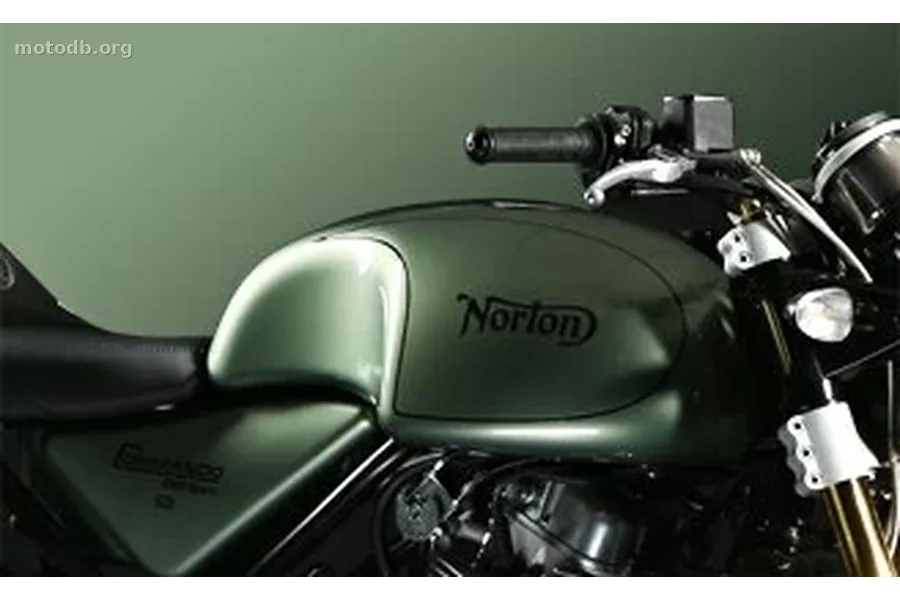
And speaking of that investment — what does one receive on the electronics front? ABS, a sober LCD display set within an analogue tachometer, and that's it. No traction control, no riding modes, no connectivity. For some, that is precisely the appeal of the Norton: the ability to ride without electronic safety nets, with a dashboard that recalls the 1970s without the mechanical inconveniences that came with them. Facing a Triumph Thruxton RS or a BMW R nineT that pack considerably more sophistication, the Commando asserts a different philosophy — a return to essentials. The 15-litre tank, reduced by two litres compared to the previous version, is nonetheless a reminder that range is not the machine's strong suit.
This Sport MK III targets a specific audience: British motorcycle enthusiasts who purchase a piece of history as much as a means of transport; experienced riders who need no electronic assistance to find the limit, and who prefer the sound of a parallel-twin rooted in tradition over raw figures on paper. Norton also offers a Café-Racer variant with clip-on handlebars for those wishing to accentuate the sporting riding position. In both cases, the Commando remains a machine of character — imperfect in its compromises, endearing in its convictions.
Standard equipment
- Assistance au freinage : ABS
- Jantes à rayon
Practical info
- La moto est accessible aux permis : A
- Pays de fabrication : Royaume-uni
Indicators & positioning
Similar bikes
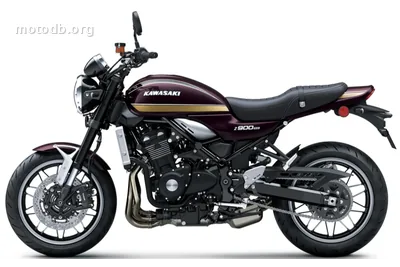
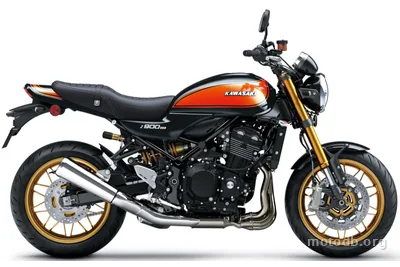
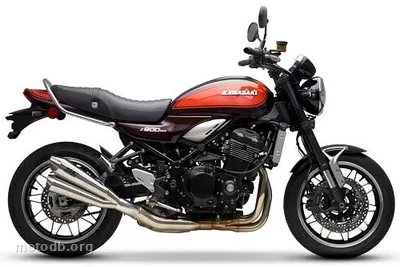
Z 900 RS Classic Edition
Reviews & comments
No reviews yet. Be the first to share your opinion!