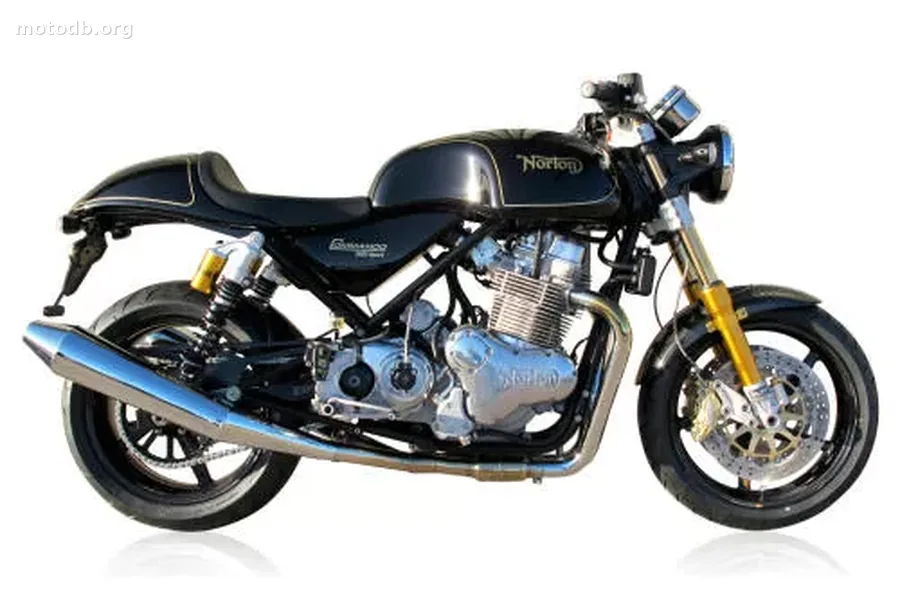
Key performance
Technical specifications
Engine
- Displacement
- 961 cc
- Power
- 77.0 ch @ 7250 tr/min (56.6 kW)
- Torque
- 81.4 Nm @ 6300 tr/min
- Engine type
- Bicylindre en ligne, 4 temps
- Cooling
- par air
- Compression ratio
- 10.1 : 1
- Bore × stroke
- 88 x 79 mm
- Valves/cylinder
- 2
- Fuel system
- Injection Ø 35 mm
Chassis
- Frame
- Tubulaire en acier
- Gearbox
- boîte à 5 rapports
- Final drive
- Chaîne
- Front suspension
- Fourche téléhydraulique Öhlins Ø 43 mm, déb : 115 mm
- Rear suspension
- 2 amortisseurs latéraux Öhlins, déb : 100 mm
Brakes
- Front brakes
- Freinage Brembo
- Rear brakes
- Freinage 1 disque
- Front tyre
- 120/70-17
- Front tyre pressure
- 2.35 bar
- Rear tyre
- 180/55-17
- Rear tyre pressure
- 2.60 bar
Dimensions
- Fuel capacity
- 15.00 L
- Weight
- 230.00 kg
Overview
What remains of a legend when it is resurrected twice? The question deserves to be asked plainly, because the Norton 961 Commando MK III is not a novelty in the strict sense. It is a meticulous resurrection, carried out since TVS took over the English brand and decided to make something serious of it. The result is there, and it commands respect, even if it calls for a few nuances.
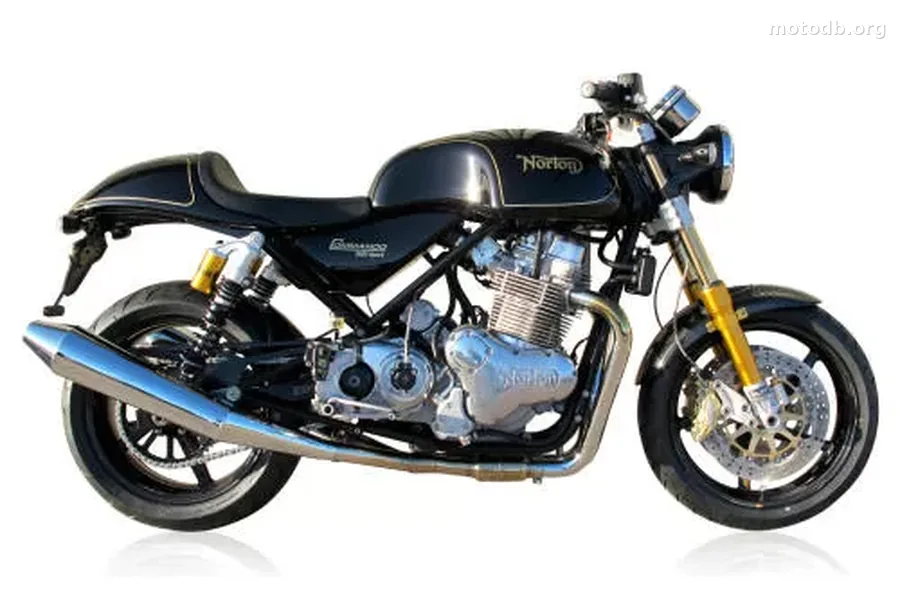
This third act of the Commando changes nothing on the surface. The arched silhouette, the old-school parallel twin, the tubular steel frame: all of this remains intact. But Norton claims more than 350 modifications beneath the bodywork, and that is precisely where things get interesting. New materials reinforce the frame, the 961 cc engine has been thoroughly overhauled, with camshafts and valves replaced and injection recalibrated. The groundwork exists, even if no one will ever see it. That is the hallmark of well-built machines.
The downside of this reliability overhaul is visible directly in the figures. The parallel twin now produces 77 horsepower at 7,250 rpm, down from 80 on previous versions. Torque also drops, from 9.2 to 8.3 mkg, or 81.4 Nm available at 6,300 rpm. For a retro roadster weighing 230 kg fully fuelled, this regression is not catastrophic, but it reveals a deliberate choice: durability over raw power. Brand enthusiasts will accept this willingly. Others will note that the engine also fails to meet the Euro5 standard, which raises a legitimate question about the model's commercial longevity.
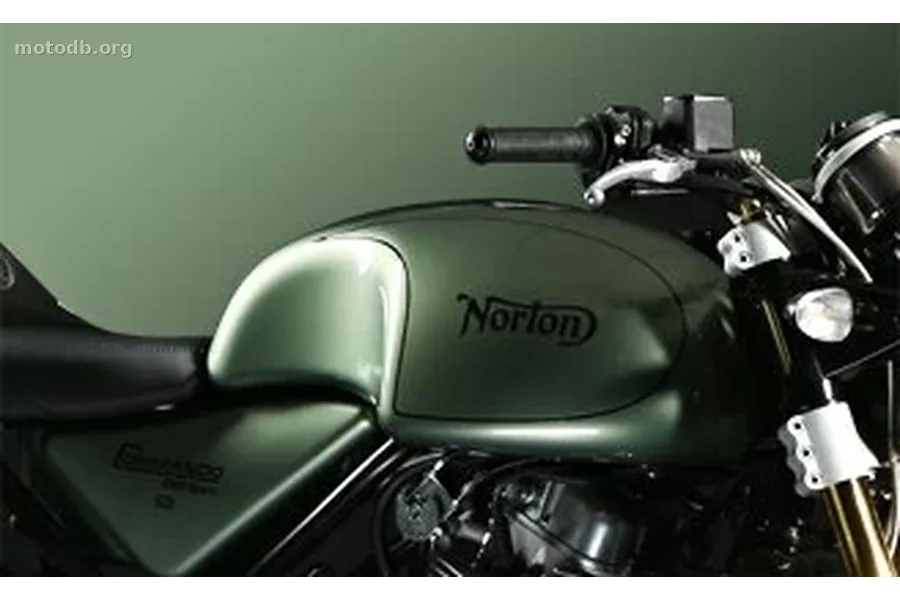
What more than compensates is the quality of the chassis. The MK III receives a 43 mm Öhlins inverted fork, supported by two rear shock absorbers from the same Swedish manufacturer, all fully adjustable. The radially mounted four-piston Brembo monobloc calipers would put many mid-range sports bikes to shame. The wire-spoked wheels, a few carbon touches here and there, a period-style instrument cluster with its small LCD screen: the overall picture is coherent, elegant without being flashy. Compared to a Triumph Bonneville or a Royal Enfield Super Meteor, the Norton clearly plays in a different category of finish.
The electronics, however, are reduced to ABS and nothing else. No traction control, no riding modes, no smartphone connectivity. This is a philosophy, not an oversight. The Commando MK III targets connoisseurs who want a bike with direct sensations, with no interface between their hands and the road. For that audience, the 15-litre tank and the claimed 200 km/h top speed are more than sufficient. The Sport version examined here shares this DNA with the Café-Racer variant, which adopts clip-on handlebars for a more tucked riding position. Two ways of dressing the same conviction: some motorcycles do not need to be modern to be relevant.
Standard equipment
- Assistance au freinage : ABS
- Bluetooth
Practical info
- La moto est accessible aux permis : A
Indicators & positioning
Similar bikes
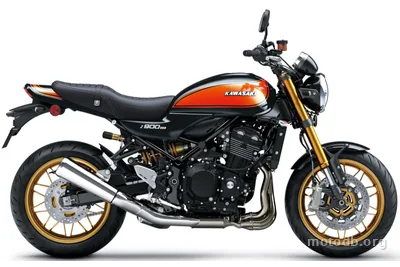
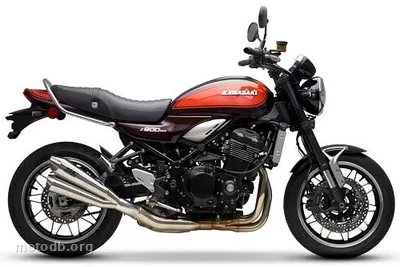
Z 900 RS Classic Edition
Reviews & comments
No reviews yet. Be the first to share your opinion!