Key performance
Technical specifications
Engine
- Displacement
- 999 cc
- Power
- 130.0 ch (95.6 kW)
- Engine type
- Bicylindre en V à 75°, 4 temps
- Cooling
- liquide
- Bore × stroke
- 101 x 62.4 mm
- Valves/cylinder
- 4
- Camshafts
- 2 ACT
- Fuel system
- Injection
Chassis
- Frame
- treillis en tubes d\'acier au chrome molybdène
- Gearbox
- boîte à 6 rapports
- Final drive
- Cardan
- Front suspension
- Fourche téléhydraulique inversée WP Ø 43 mm
- Rear suspension
- Mono-amortisseur WP
Brakes
- Front brakes
- Freinage 2 disques , étrier 4 pistons
- Rear brakes
- Freinage 1 disque , étrier 2 pistons
Dimensions
- Dry weight
- 175.00 kg
- New price
- 18 000 €
Overview
When KTM decides to play in the sportbike arena, nobody expects a carbon copy of the Japanese competition. And for good reason. Unveiled in 2005 as a prototype, the RC8 is Austria's answer to a question nobody dared ask: can you build a supersport around a 999 cc V-twin without aping Ducati? The 75-degree V-twin, already proven on the Adventure and Super Duke, receives a dedicated treatment here to deliver 130 horsepower. That's not a figure that makes the Japanese four-cylinders of the era tremble, but KTM is betting on something other than brute force. The engine weighs 56 kg, making it the lightest big twin on the market. For perspective, that's 12 kg less than the V-twin in the Aprilia RSV. When you're chasing weight gram by gram, that kind of gap changes a motorcycle's personality.
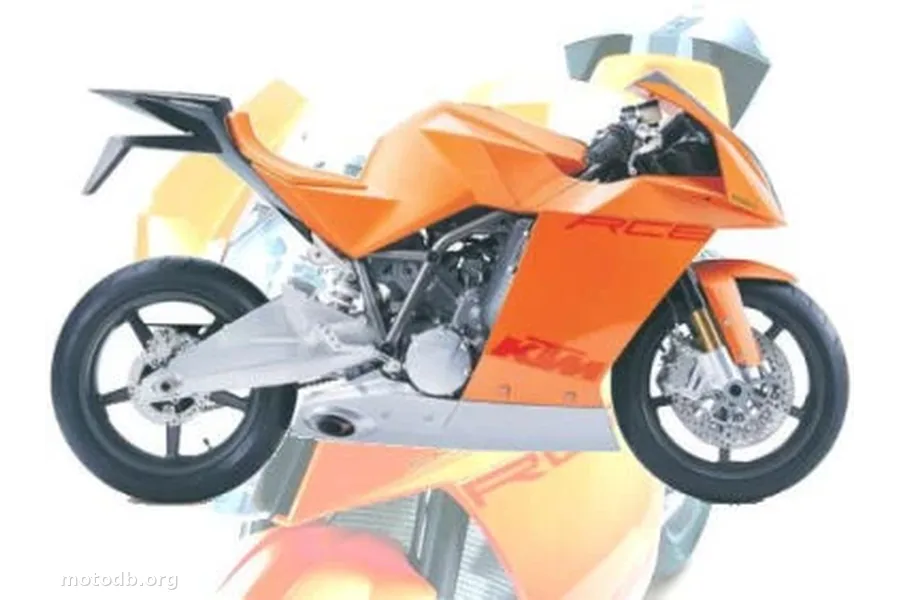
The RC8's philosophy can be summed up in one word: centralization. Everything on this machine is designed to gather mass as close to the center of gravity as possible. The exhaust leaves its usual position to sit under the engine, much like what Erik Buell was doing on his American sportbikes. The result is a clean, almost bare rear end, with a massive swingarm reminiscent of MotoGP prototypes. The tank adopts those angular, almost geometric lines that have become Mattighofen's styling signature. It flows into the seat in a design that looks like nothing else on the market. The fairing, aggressive and sharply chiseled, prioritizes aerodynamic efficiency over aesthetic consensus. Love it or hate it, but nobody will mistake an RC8 for another sportbike in a parking lot.
On the chassis side, KTM stays true to its principles. The chrome-molybdenum steel tubular trellis frame wraps around the compact twin with authority. The 43 mm WP inverted fork and rear monoshock from the same in-house brand handle ground contact. Braking relies on two front discs clamped by four-piston calipers and a rear disc with a two-piston caliper. The equipment is that of a serious sportbike, with no unnecessary frills. The six-speed gearbox transmits power through a shaft drive, an unusual choice for a pure sportbike that betrays the engine's touring origins. With a claimed dry weight of around 175 kg, the RC8 plays in the same league as two-wheeled single-seaters — a remarkable figure for a twin of this displacement.
The listed price of 18,000 euros positions the RC8 against the Ducati 999 and the Aprilia RSV Mille, its two natural European rivals. KTM is clearly not targeting beginners with this machine. The RC8 is aimed at the experienced rider, the enthusiast of raw sensations and engine character, the one who prefers the generous torque of a twin to the frantic rev climb of an inline-four. In 2005, this prototype is mouth-watering. The engineers in Mattighofen have the know-how — their success in Grand Prix 125 racing has proven it. What remains is to deliver the goods with the production version, scheduled for 2007. Two years to wait before getting your hands on the clip-ons of this clockwork orange. For lovers of sportbikes with character, it promises to be a long wait.
Practical info
- La moto est accessible aux permis : A
Indicators & positioning
Similar bikes
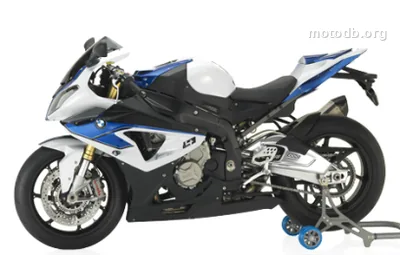
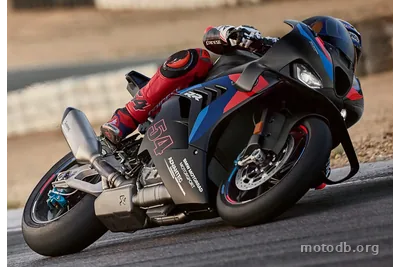
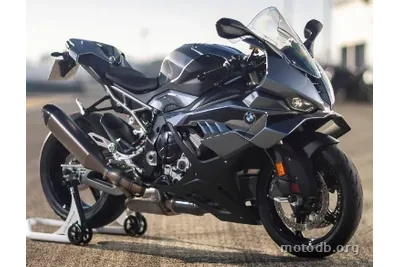
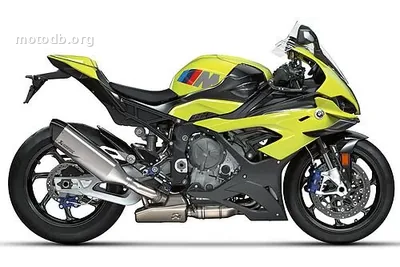
M 1000 RR 50 Years M édition
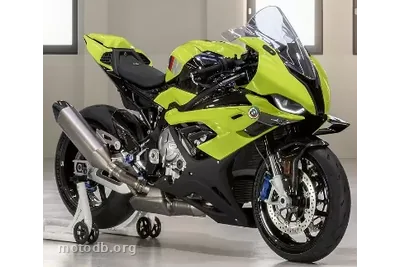
M 1000 RR WSBK Champion Edition
Reviews & comments
No reviews yet. Be the first to share your opinion!