Key performance
Technical specifications
Engine
- Displacement
- 1218 cc
- Power
- 161.0 ch @ 9000 tr/min (118.4 kW)
- Torque
- 134.4 Nm @ 7000 tr/min
- Cooling
- liquide
- Compression ratio
- 9 : 1
- Bore × stroke
- 68 x 55 mm
- Valves/cylinder
- 3
- Camshafts
- 3 ACT
- Fuel system
- Injection + compresseur
Chassis
- Frame
- double poutre en alu
- Gearbox
- boîte à 6 rapports
- Final drive
- Chaîne
- Front suspension
- Fourche téléhydraulique inversée Ø 50 mm, déb : 130 mm
- Rear suspension
- Mono-amortisseur, déb : 120 mm
Brakes
- Front brakes
- Freinage
- Rear brakes
- Freinage 1 disque
- Front tyre
- 120/70-17
- Rear tyre
- 190/55-17
Dimensions
- Fuel capacity
- 18.00 L
- Dry weight
- 239.00 kg
- New price
- 21 700 €
Overview
When a brand disappears for nearly fifty years, its resurrection cannot be commonplace. Horex, born in 1923 in the Saarland region, had built its reputation on machines like the Regina or the Imperator before the factory closed its doors in 1960. When Clemens Neese and Franck Fisher bought the name in 2007, they needed a technical argument capable of justifying the return. They chose the riskiest, most expensive, and probably most fascinating path: a VR configuration six-cylinder engine, surrounded by partners like Bosch, Weber-Motor, or Volkswagen. This choice says everything about the house's ambitions.
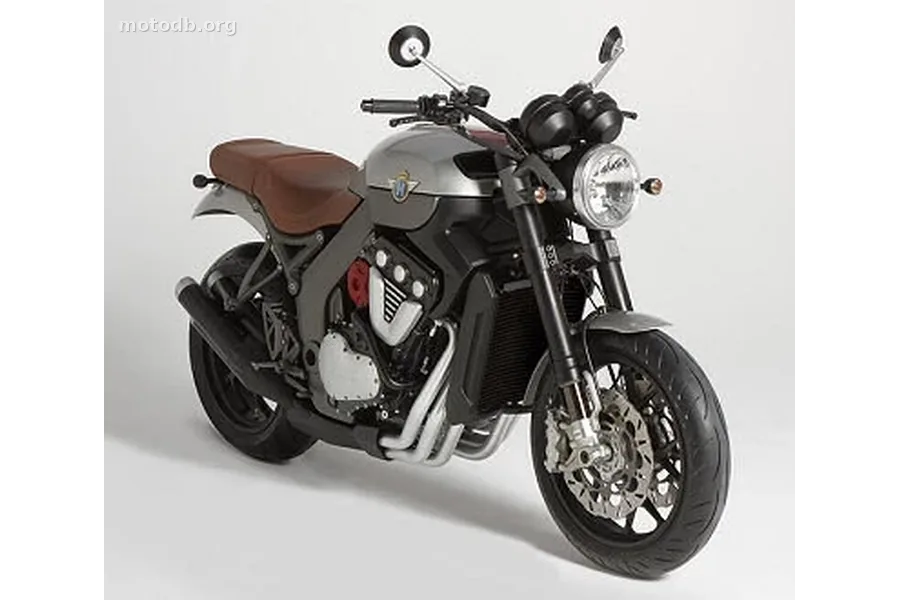
The VR6 is an architecture that GTI enthusiasts know well. Two rows of three cylinders arranged in a V at only 15 degrees, so tightly packed that a single cylinder head suffices to cover the entire unit. The result is a remarkably compact engine block for a six-cylinder, only 429 mm wide, barely more than a classic inline-four. Horex pushes the logic even further with three camshafts, the central one simultaneously controlling the exhaust of the rear cylinders and the intake of the front cylinders. The 18 valves, distributed at a rate of two per cylinder for intake and one for exhaust, favor generous torque rather than explosive revving. Without a balancing shaft needed thanks to this configuration, the engine runs without the parasitic vibrations that penalize other multi-cylinder engines. On paper, it's a lesson in engineering.
The commercialized version runs without the supercharger initially planned, which was intended to propel power beyond 200 horsepower. Industrial reality decided otherwise, and the VR6 must settle for 161 horsepower at 9,000 rpm, accompanied by 134 Nm of torque available from 7,000 rpm. This is not a consolation: these figures place the Horex in the leading pack of the most powerful naked bikes on the market in 2012, ahead of a Ducati Streetfighter 848 and in the same league as a KTM Super Duke 990. Top speed is electronically limited to 250 km/h, which is more than enough to test the solidity of your helmet. The double-beam aluminum chassis, the 50 mm diameter inverted fork with 130 mm of travel, and the radial four-piston calipers biting 320 mm discs form a serious assembly to contain the 239 kg of the machine.
The design tells the same story as the mechanics: German, precise, without compromise on assembly quality, and relatively stingy in sensuality. The standard leather seat, the analog dashboard with its small, discreet digital display between the gauges, the muscular lines without embellishments. One actually thinks of what Volkswagen would produce if the brand decided to build a roadster. It is refined, consistent, a little cold. The star rear rim recalls those of a Speed Triple or a Brutale, it is one of the few nods to style facing an Italian competition that plays the card of visual seduction.
At €21,700, the Horex VR6 does not target the average motorcyclist looking for an accessible first naked. It addresses a mature buyer, probably already the owner of beautiful mechanics, curious to ride something unique rather than a best-seller calibrated for the greatest number. The VR six-cylinder remains to this day a configuration absent from the catalog of any other motorcycle manufacturer. It is both the best selling argument and the main commercial risk of Horex: betting on technical singularity in a segment where Aprilia, KTM, and Ducati dominate by their reputation and their network. A courageous, perhaps reckless, bet, but one that deserves the attention that an ordinary motorcycle would never have obtained.
Standard equipment
- Assistance au freinage : ABS de série
Practical info
- La moto est accessible aux permis : A
Indicators & positioning
Similar bikes
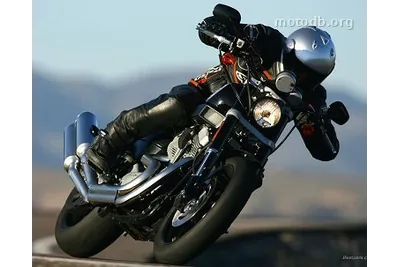
XR 1200 X Sportster
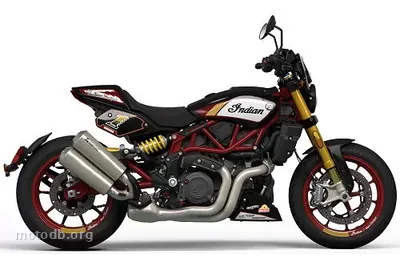
FTR 1200 x RSD Super Hooligan
Reviews & comments
No reviews yet. Be the first to share your opinion!