Key performance
Technical specifications
Engine
- Displacement
- 1137 cc
- Power
- 136.0 ch @ 9000 tr/min (100.0 kW)
- Torque
- 110.8 Nm @ 7000 tr/min
- Engine type
- 4 cylindres en ligne, 4 temps
- Cooling
- liquide
- Compression ratio
- 11:1
- Bore × stroke
- 79 x 58 mm
- Valves/cylinder
- 4
- Camshafts
- 2 ACT
- Fuel system
- Injection
Chassis
- Frame
- périmétrique en alu
- Gearbox
- boîte à 5 rapports
- Final drive
- Chaîne
- Front suspension
- Fourche téléhydraulique inversée Ø 43 mm, déb : 120 mm
- Rear suspension
- Mono-amortisseur, déb : 120 mm
Brakes
- Front brakes
- Freinage 2 disques Ø 310 mm, étrier 3 pistons
- Rear brakes
- Freinage 1 disque Ø 256 mm, étrier 2 pistons
- Front tyre
- 120/70-17
- Front tyre pressure
- 2.50 bar
- Rear tyre
- 180/55-17
- Rear tyre pressure
- 2.90 bar
Dimensions
- Seat height
- 795.00 mm
- Fuel capacity
- 22.00 L
- Dry weight
- 222.00 kg
- New price
- 10 288 €
Overview
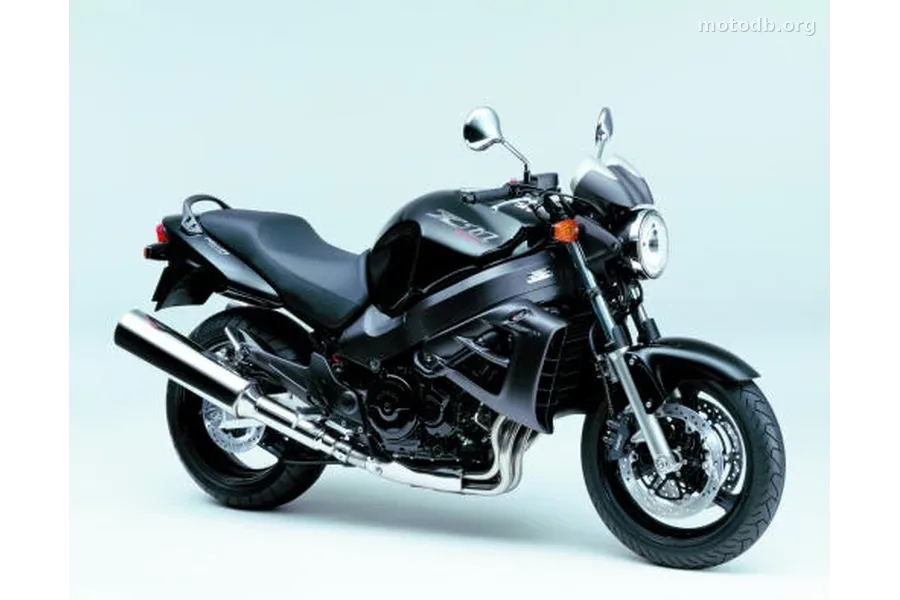
Imagine a motorcycle that, at its launch in 2001, seemed to have swallowed all the power of the previous century to vomit it into the new. The Honda X-11, or CB 1100 SF X-Eleven, is not a roadster. It’s a declaration of war against conventions, a 1137 cc block that laughs at labels. With 136 horsepower at 9000 rpm and a torque of 110.8 Nm that strikes at 7000 rpm, it takes the heart of the CBR 1100 XX Blackbird but refines it for more muscle at low speeds. We're talking about a machine that, according to some tests, pulverized the 0 to 100 km/h in 2.47 seconds, rivaling the hypersports of the time. This isn't performance, it's provocation.
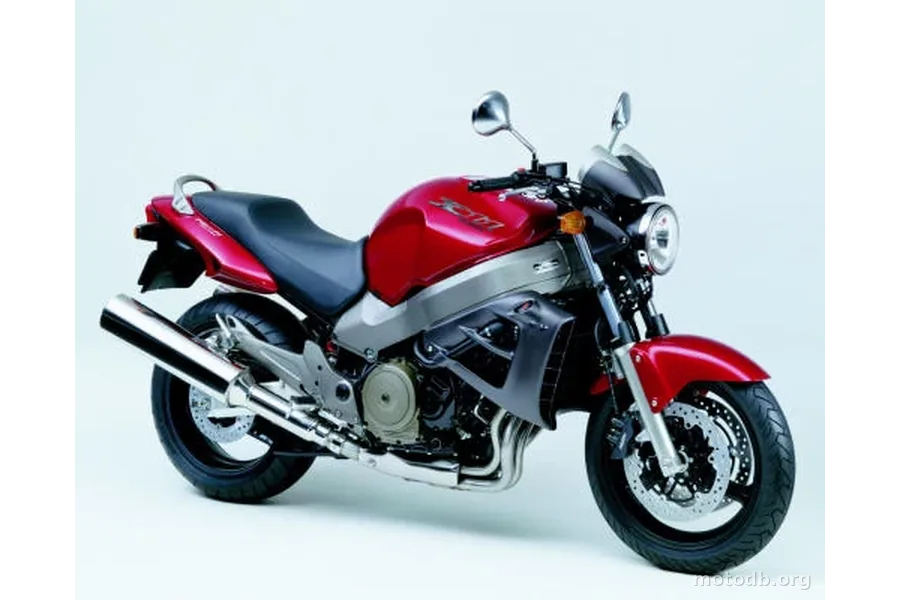
Its design was the other part of the challenge. Massive, almost bestial, with a dashboard that resembles a futuristic sculpture, it didn’t seek to seduce but to impose. Honda gave it all the technical equipment of the century that was beginning: perimeter aluminum frame, Dual-CBS braking, HMAS suspension. Yet, the public often averted its gaze. Perhaps because it was too far ahead, or too raw. On the saddle, the position is more sporty than roadster, and as soon as you twist the throttle, the inline four-cylinder engine delivers a velvety smoothness that hides an explosion of force. Accelerations are like cannon shots, the pickups pin you to the tank. On the open road, it gripped the ground, devouring curves with superb authority.
But this power comes at a price. With a dry weight of 222 kg and a 22-liter tank, it’s not a city bike. The turning radius and inertia make urban maneuvers a test of strength. Honda prioritized pure efficiency, and daily comfort is out the window. The braking, however, is an absolute delight, with its two 310 mm discs at the front, offering power that almost rivaled the first ABS systems. It was a machine for daring touring riders, track riders looking for a burly alternative to overly refined sportbikes.
Its commercial failure is a lesson. At over 10,000 euros at the time, it positioned itself in an ambiguous niche: too radical for lovers of classic roadsters, too atypical for sportbike purists. It was the 21st-century roadster that the 20th century didn’t understand. Today, it remains a fascinating object for those seeking a motorcycle with a raw character, unfiltered power, and a design that refuses any compromise. An engine that was shunned, perhaps unfairly, but which, for the rider who knows how to appreciate it, offers an almost archaeological experience of motorcycle power.
Standard equipment
- Assistance au freinage : CBS
Practical info
- La moto est accessible aux permis : A
Indicators & positioning
Similar bikes
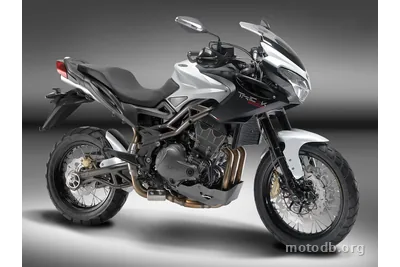
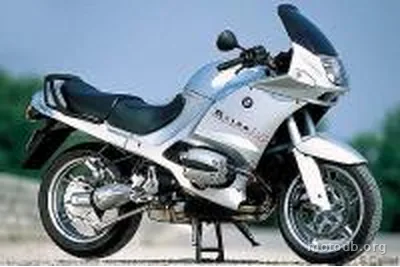
Tre-K 1130K Amazonas
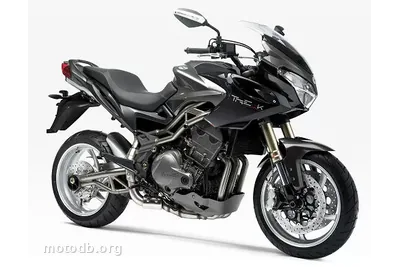
1130 TRE-K
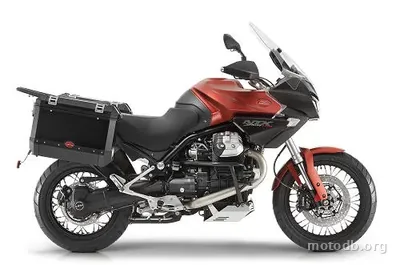
STELVIO 1200 8V NTX
Reviews & comments
No reviews yet. Be the first to share your opinion!