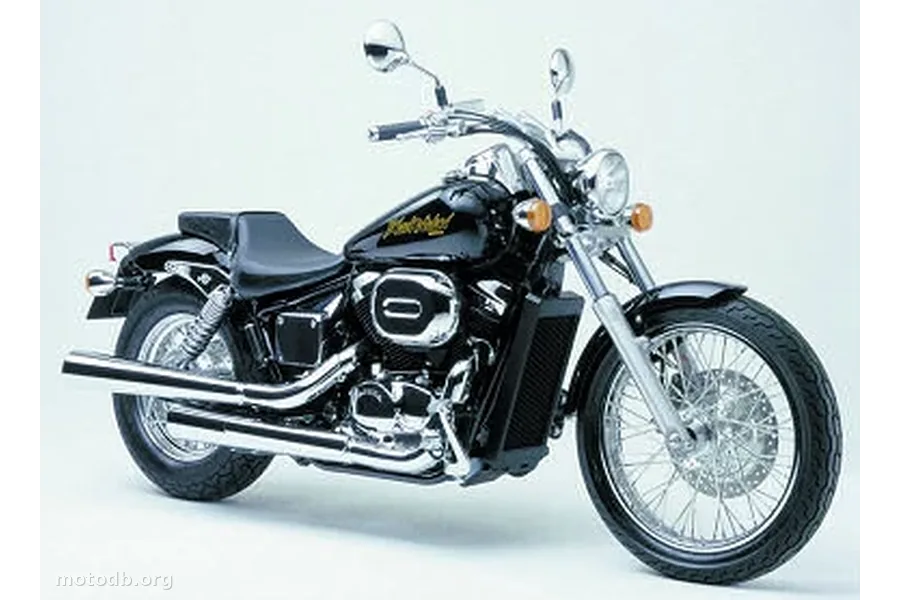
Key performance
Technical specifications
Engine
- Displacement
- 745 cc
- Power
- 45.0 ch @ 5500 tr/min (33.1 kW)
- Torque
- 63.7 Nm @ 3000 tr/min
- Engine type
- Bicylindre en V à 52°, 4 temps
- Cooling
- liquide
- Compression ratio
- 9 : 1
- Bore × stroke
- 79 x 76 mm
- Valves/cylinder
- 3
- Camshafts
- 1 ACT
Chassis
- Frame
- double berceau en acier
- Gearbox
- boîte à 5 rapports
- Final drive
- Chaîne
- Front suspension
- Fourche téléhydraulique Ø 41 mm, déb : 108 mm
- Rear suspension
- 2 amortisseurs combinés, déb : 80 mm
Brakes
- Front brakes
- Freinage 1 disque Ø 296 mm, étrier 2 pistons
- Rear brakes
- Freinage tambour Ø 180 mm
- Front tyre
- 110/80-19
- Front tyre pressure
- 2.00 bar
- Rear tyre
- 160/80-15
- Rear tyre pressure
- 2.00 bar
Dimensions
- Seat height
- 675.00 mm
- Fuel capacity
- 13.40 L
- Dry weight
- 221.00 kg
- New price
- 8 383 €
Overview
Since its debut, the FJR 1300 A has occupied a unique place in the large touring segment. It is not aimed at riders who favour sporty riding positions or urban manoeuvring, but at demanding travellers who cover thousands of kilometres a year in search of comfort, efficiency and reliability. The 2020 model continues a lineage that predates the 2008 model year, refined in 2013 and reworked again in 2016 — milestones that have built a solid reputation among long-distance riders. Currently priced at €17,299 in France, it remains a benchmark in its category.
The 1,298 cc inline four-cylinder produces 146 horsepower and torque in excess of 138 Nm. This engine, thoroughly revised during the 2013 overhaul, has since been paired with a six-speed gearbox featuring helical-cut gears — a first for Yamaha. This change not only lowered cruising revs on the motorway but also noticeably improved shift smoothness. A slipper clutch rounds out the package: it absorbs back-torque during downshifts, stabilising the motorcycle under hard braking. At this performance level, two injection maps and a traction control system allow power to be modulated according to conditions.
On the chassis side, the aluminium perimeter frame houses a well-proven geometry. The suspension on the A version is conventional but well calibrated for grand touring, with travel suited to long loaded journeys. The combined disc brakes deliver reassuring stopping power at a kerb weight of 289 kg. The full LED lighting introduced in the fourth generation concretely improves night visibility, and the adaptive technology — which steers the beams according to lean angle via the inertial measurement unit — is available on higher-spec versions. The FJR 1300 A also includes the preparation required for fitting a Dainese D-AIR airbag, a sign of serious attention to active safety.
Compared to its direct rivals — the BMW R 1250 RT above all — the FJR 1300 A takes a different approach: less intrusive electronics, more mechanical character, and a proven long-term robustness. Reviews of the FJR 1300 A from model years 2013 to 2017 consistently highlight its endurance and long-distance comfort, two qualities that remain just as valid on the 2020 model. The seat height of around 800 mm makes it accessible to a wide range of rider builds. For those wondering about the price of a new FJR 1300 A, the €17,299 asking price positions it at the upper end of the market — but when measured against what it delivers over tens of thousands of kilometres, the performance-to-durability ratio proves coherent. A mature tourer, free of pretension, built to last.
Practical info
- La moto est accessible aux permis : A
Indicators & positioning
Similar bikes
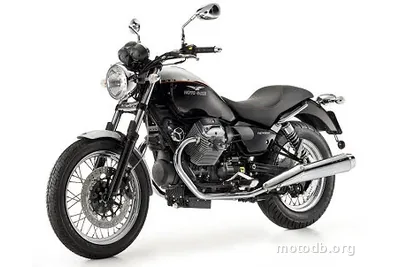
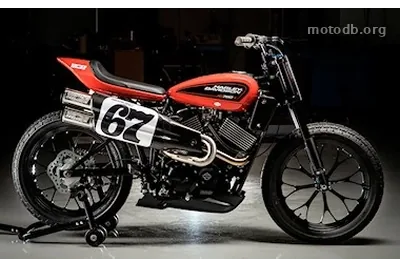
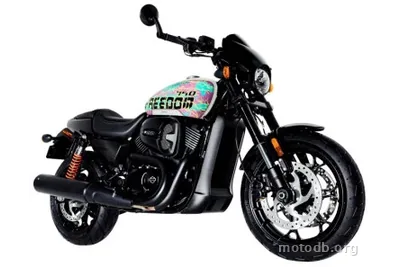
XG 750 Street Rod Freedom Edition
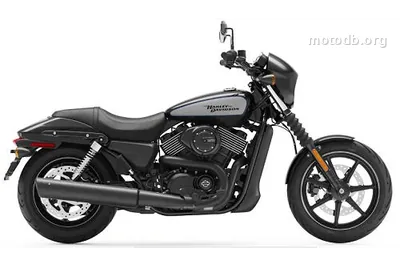
XG 750 Street
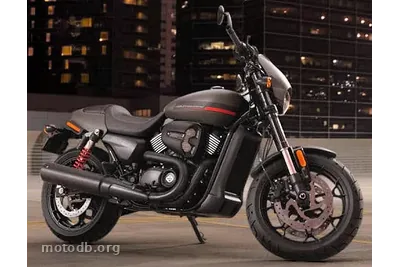
XG 750 Street Rod
Reviews & comments
No reviews yet. Be the first to share your opinion!