Key performance
Technical specifications
Engine
- Displacement
- 848 cc
- Power
- 70.0 ch @ 7500 tr/min (51.5 kW)
- Torque
- 75.5 Nm @ 5250 tr/min
- Engine type
- Bicylindre à plat, 4 temps
- Cooling
- combiné air / huile
- Compression ratio
- 10.3 : 1
- Bore × stroke
- 87.5 x 70.5 mm
- Valves/cylinder
- 4
- Camshafts
- 1 ACT
- Fuel system
- Injection
Chassis
- Frame
- bâti avant en alu coulé, bâti arrière en acier
- Gearbox
- boîte à 5 rapports
- Final drive
- Cardan
- Front suspension
- Fourche téléhydraulique Telelever Ø nc, déb : 190 mm
- Rear suspension
- Mono-amortisseur et monobras Paralever, déb : 200 mm
Brakes
- Front brakes
- Freinage 2 disques Ø 305 mm, étrier 4 pistons
- Rear brakes
- Freinage 1 disque Ø 276 mm, étrier 2 pistons
- Front tyre
- 110/80-19
- Front tyre pressure
- 2.20 bar
- Rear tyre
- 150/70-17
- Rear tyre pressure
- 2.50 bar
Dimensions
- Seat height
- 840.00 mm
- Fuel capacity
- 24.00 L
- Weight
- 243.00 kg
- Dry weight
- 225.00 kg
- New price
- 10 570 €
Overview
Picture the scene. We are at the turn of the 2000s, the road-going trail bike is not yet the commercial tidal wave it will become, and BMW has already ruled this segment for a quarter of a century. Within this Bavarian dynasty, the mighty R 1150 GS sits on the throne and sweeps the board. But in its shadow lives a younger sibling, more discreet, often forgotten by the spotlights. The BMW R 850 GS, 2001 vintage, nonetheless plays a specific role in the catalogue, that of the gateway to the shaft-driven flat-twin universe, sold at the time for 10,570 euros.
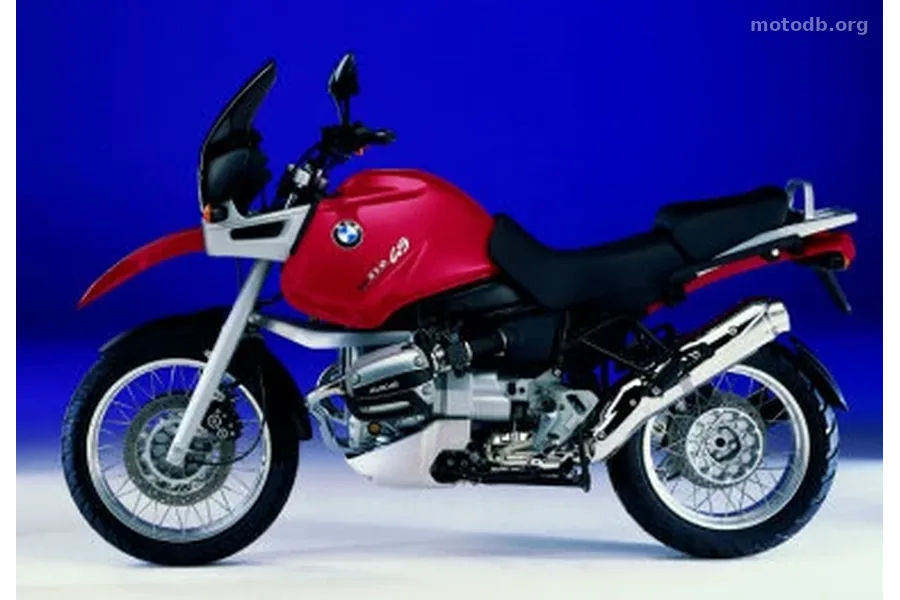
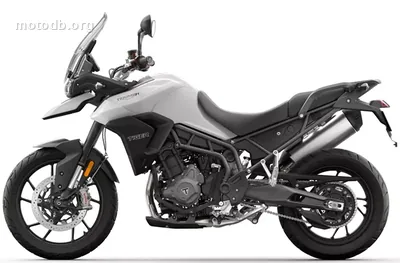
Visually, the sleight of hand is almost perfect. The lines are traced directly from the 1150, same duck beak, same massive silhouette, same generous 24-litre tank promising long stages without a fuel stop. Only the decal on the tank betrays the ruse. Beneath this identical bodywork, the boxer has slimmed its displacement down to 848 cc, with an 87.5 mm bore for a 70.5 mm stroke and a compression ratio of 10.3 to 1. The result, 70 horsepower at 7,500 rpm and 75.5 Nm of torque at 5,250 rpm, transmitted through a five-speed gearbox and the faithful in-house shaft drive. The fuel injection brings a welcome smoothness at low revs, and the twin retains that mechanical serenity typical of the propeller brand, far from the fury of a Triumph Tiger 955i or the bite of a contemporary KTM 950 Adventure.
The chassis remains the real trump card. The front Telelever limits dive under braking, backed up by the 305 mm twin discs clamped by four-piston calipers. At the rear, the Paralever single-sided swingarm erases the torque reactions inherent to shaft drive, a flaw that could weigh down many a rival Moto Guzzi. The mixed chassis, built with cast aluminium at the front and steel at the rear, absorbs the 243 kg fully fuelled without making the structure falter. On a poorly maintained back road, the 850 GS swallows imperfections with a serenity that commands respect.
Then comes the awkward question. Can we really call it a trail bike. With its bulk, its dry weight of 225 kg and its road tyres sized 110/80-19 at the front and 150/70-17 at the rear, the Bavarian has no desire to leave the tarmac. The 840 mm seat height reassures shorter riders, but as soon as the surface disappears, the adventurous promise evaporates. It excels rather on the secondary network, where its 185 km/h top speed is more than enough, especially as the rudimentary protection discourages long motorway stints. It is a tourer in disguise, and it half embraces the role.
Should you give in today to a used BMW R 850 GS. The answer depends on the rider profile. For the motorcyclist starting out on a big bike, for the easy-going tourer who wants a reliable flat-twin without the running costs of the 1150, the proposition holds up. The technical foundations are the same as the elder sister, the reliability of the Munich twin no longer needs proving, and the valuation remains contained on the second-hand market. Its main shortcoming is not mechanical, it is psychological. When you pay for the silhouette of a GS, you want the real rumble of the 1150. The younger sister does nearly as much, sometimes better in finesse, but it will always carry the label of the lightened version. A choice made with the head, rarely with the heart.
Practical info
- Moto bridable à 34 ch pour l'ancien permis A MTT1 - pas garanti pour le permis A2
- La moto est accessible aux permis : A, A (MTT1)
Indicators & positioning
Similar bikes
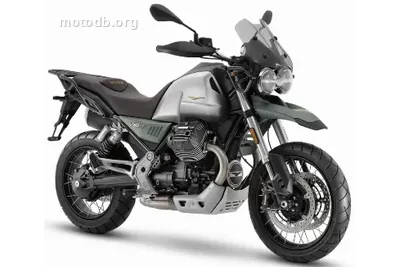
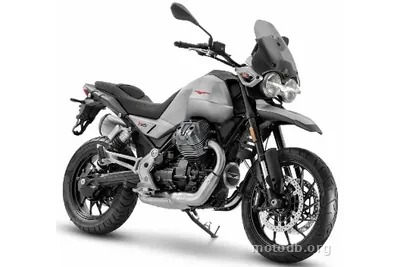
V85 TT Centenario
Reviews & comments
No reviews yet. Be the first to share your opinion!