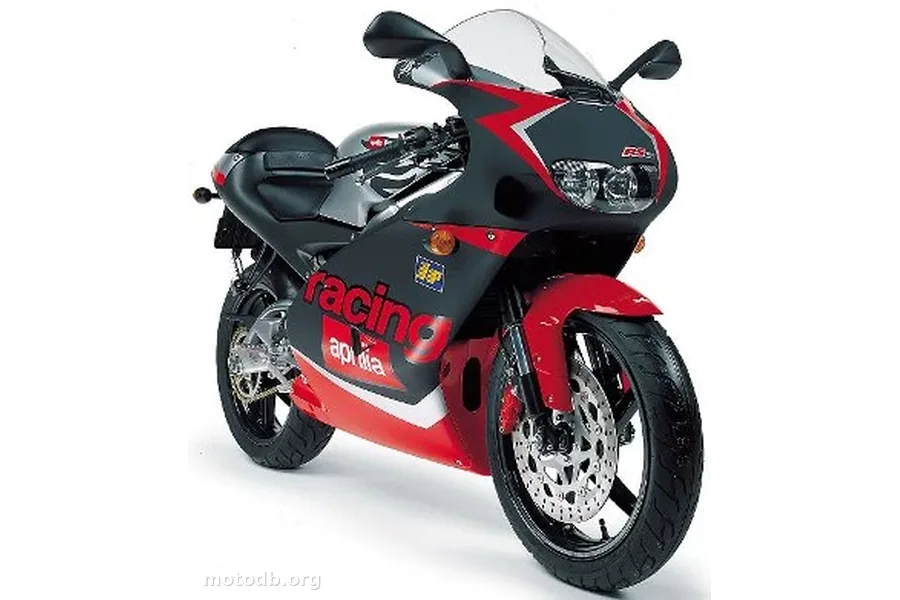
Key performance
Technical specifications
Engine
- Displacement
- 125 cc
- Power
- 35.0 ch @ 7000 tr/min (10.9 kW)
- Torque
- 15.0 Nm @ 6250 tr/min
- Engine type
- Single cylinder, two-stroke
- Cooling
- liquide
- Compression ratio
- 12.5 : 1
- Bore × stroke
- 54.0 x 54.5 mm (2.1 x 2.1 inches)
- Fuel system
- Carburettor
Chassis
- Frame
- périmétrique en aluminium
- Gearbox
- 6-speed
- Final drive
- Chain (final drive)
- Front suspension
- Fourche téléhydraulique inversée Ø 40 mm, déb : 120 mm
- Rear suspension
- Mono-amortisseur, déb : 120 mm
- Front wheel travel
- 120 mm (4.7 inches)
- Rear wheel travel
- 120 mm (4.7 inches)
Brakes
- Front brakes
- Single disc
- Rear brakes
- Single disc
- Front tyre
- 110/70-17
- Front tyre pressure
- 1.80 bar
- Rear tyre
- 150/60-17
- Rear tyre pressure
- 2.00 bar
Dimensions
- Seat height
- 805.00 mm
- Wheelbase
- 1345.00 mm
- Fuel capacity
- 14.00 L
- Weight
- 139.00 kg
- Dry weight
- 142.00 kg
- New price
- 5 189 €
Overview
Imagine slipping on Arnaud Vincent’s helmet after his world title, straddling something that looks exactly like his race machine, and feeling a two-stroke twin crackle under the throttle. That’s roughly what Aprilia promised with the RS 125 2t in the early 2000s. The brand from Noale wasn't kidding: it was translating the DNA of its Grand Prix machines to the road, with a consistency that few manufacturers dared at the time.
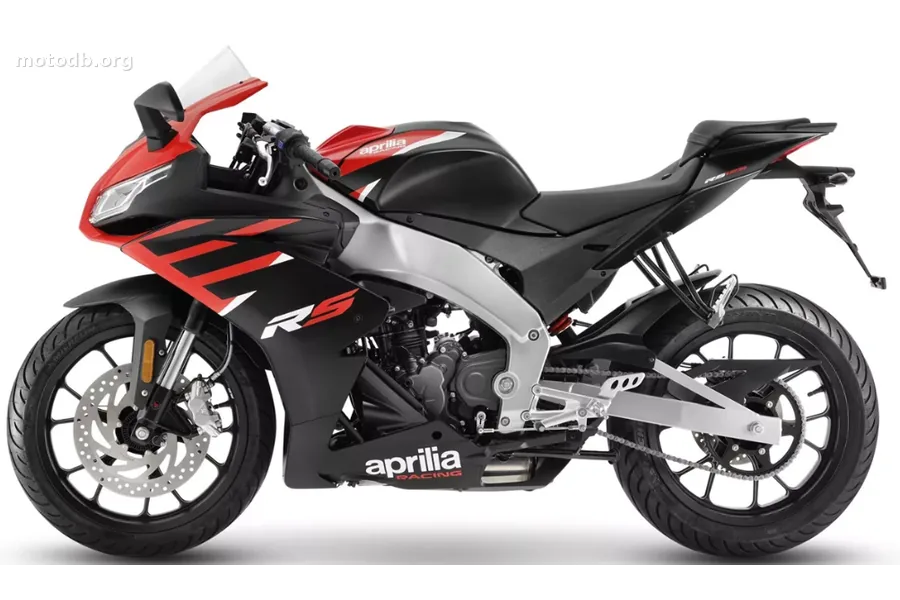
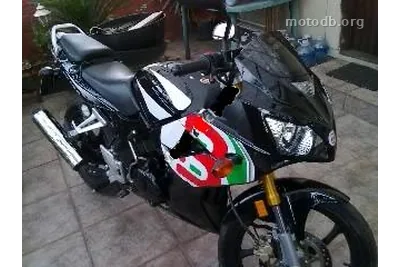
The technical specifications immediately set the tone. A perimeter aluminum frame, 40mm inverted forks, a banana swingarm, lightweight wheels, all for a wet weight contained to 139 kg. The two-stroke single-cylinder engine turns at a compression ratio of 12.5, with a square bore of 54 x 54.5 mm. In the restricted version, the legal power is capped at 11 kW according to A1 regulations. But the Aprilia RS 125 full power, the one that was de-restricted in garages with adapted Aprilia RS 125 parts, released around 34 horsepower for one liter of displacement. Reported to the 125 cc, this is a power density that most modern liter sportbikes struggle to match proportionally. The maximum speed of the de-restricted Aprilia RS 125 then far exceeded what the legal version allowed.
Its designated enemy on the market was the Cagiva Mito, another purist in the segment, built with the same concern for lightness and dynamism. Between the two, the war was fratricidal. The Aprilia responded with a stiffer chassis, a geometry closer to the circuit, and this Aprilia RS 125 bodywork with stretched lines that shamelessly imitated the RS 250 race machine. The result on the scales would often tip in favor of the Italian brand from Noale, especially for anyone looking to push the mechanics to their limits on a track. The Aprilia RS 125 engine had that particular characteristic of two-strokes: it lives within a narrow rev range; below the maximum torque of 15 Nm at 6,250 rpm, the bike drags its feet. Above, it bites.
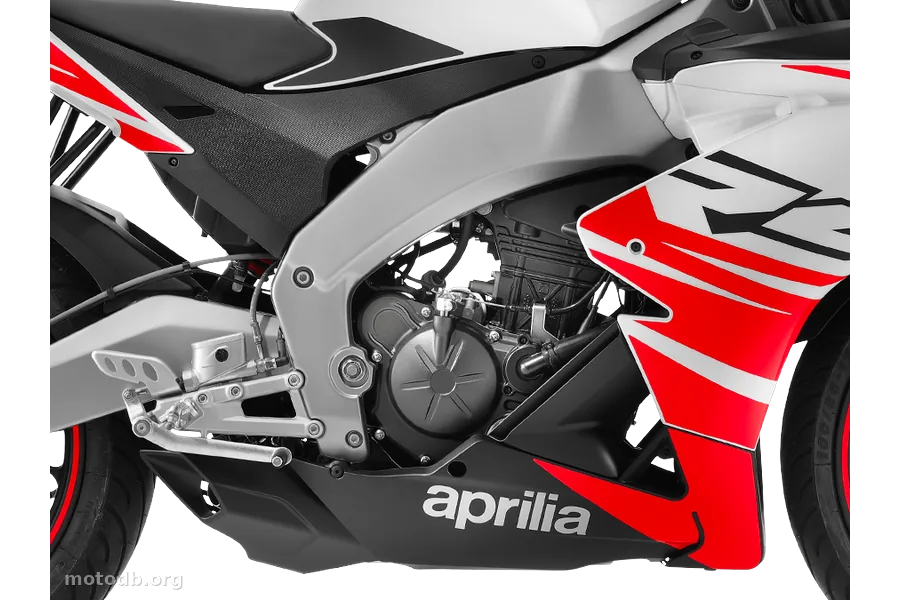
This sharp behavior clearly defines its audience. The RS 125 never claimed to seduce the Sunday tourist or the hurried urban rider. Its 805 mm seat height, its crouched riding position, its 14 liters of tank sufficient for a track session without hasty refueling, all speak to the sharp young rider, the one who reads his trajectories and knows how to exploit a 6-speed gearbox with method. The 1998, 1999, 2000 and 2001 models forged generations of riders in France, and the used Aprilia RS 125 continues to feed a market of enthusiasts on classified ads. Finding a beautiful used Aprilia RS 125 2t in good condition can sometimes be a battle, as demand remains strong.
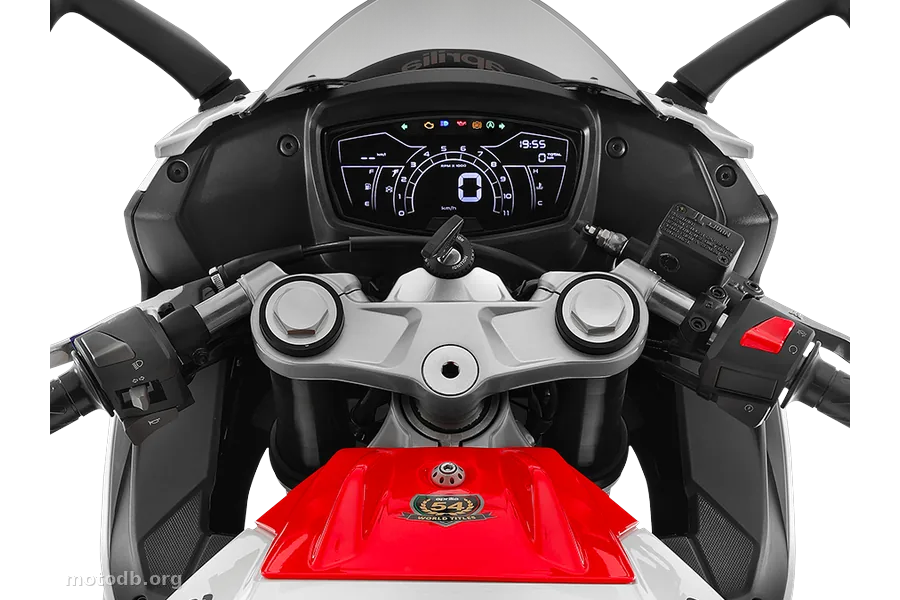
Displayed at 5,189 euros at its release, the Aprilia RS 125 price was that of a serious machine, not a end-of-season toy on sale. This assumed positioning explains why the brand continued to decline this model over several generations, until the more recent versions adopted four-stroke engines to comply with Euro standards. Purists of Aprilia RS 125 kit decoration and pure two-stroke retain a particular fondness for these early 2000s models, precisely because the mechanics had not yet surrendered to regulatory constraints. The 2001 RS 125 may represent the last vintage where you could still feel the track through every upshift.
Practical info
- La moto est accessible aux permis : A
Reviews & comments
No reviews yet. Be the first to share your opinion!