Key performance
Technical specifications
Engine
- Displacement
- 124 cc
- Engine type
- Single cylinder, two-stroke
- Cooling
- Liquid
- Compression ratio
- 8.6:1
- Bore × stroke
- 54.0 x 54.5 mm (2.1 x 2.1 inches)
- Fuel system
- Carburettor. Mikuni TMX 38
- Ignition
- Digital CDI
- Starter
- Electric
Chassis
- Frame
- Aluminum
- Gearbox
- 6-speed
- Final drive
- Chain (final drive)
- Front suspension
- Speed-sensitive system inverted fork
- Rear suspension
- Fully adjustable single shock
- Front wheel travel
- 300 mm (11.8 inches)
- Rear wheel travel
- 315 mm (12.4 inches)
Brakes
- Front brakes
- Single disc. Hydraulic disc. Hydraulic disc.
- Rear brakes
- Single disc
- Rear tyre
- 100/90-19
Dimensions
- Seat height
- 998.00 mm
- Wheelbase
- 1443.00 mm
- Ground clearance
- 386.00 mm
- Length
- 2136.00 mm
- Width
- 828.00 mm
- Height
- 1316.00 mm
- Fuel capacity
- 7.95 L
- Weight
- 93.90 kg
Overview
Who would have thought that a simple 125, born in the workshops of Hamamatsu, would become a living motocross myth? The Yamaha YZ125 is more than just a small two-stroke beast; it's a concentrated dose of racing DNA that, since its introduction decades ago, has trained generations of riders. With its 124 cc two-stroke engine, it delivers a dry power output of 40 horsepower, a real punch for a unit that, with its 7.95 liters of gasoline, weighs barely 94 kilos. At this price, it’s far from a beginner’s toy. For 6799 euros in 2013, you bought a real racing weapon, sharp, demanding, but terribly effective.
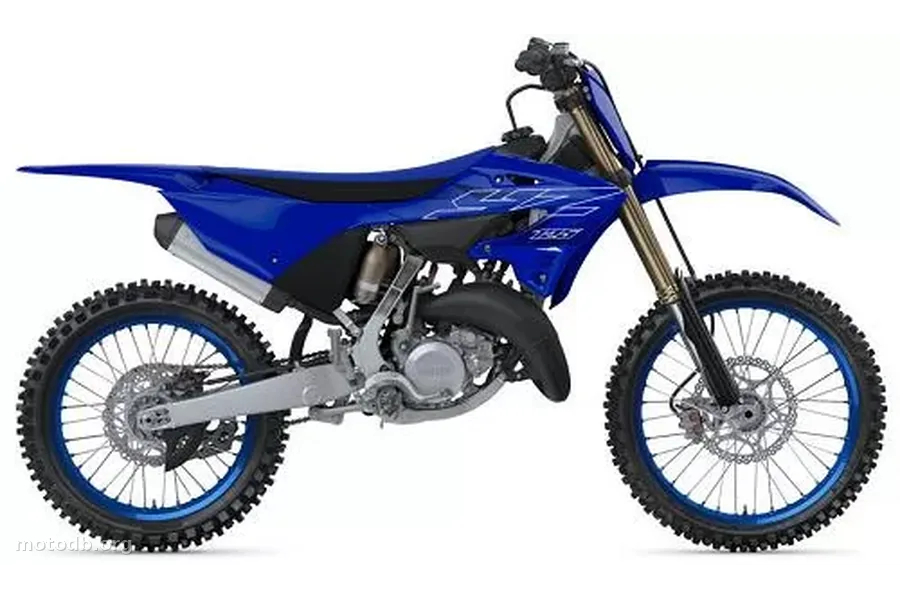
Consider its aluminum frame, its fully adjustable inverted fork, and its single shock absorber. These elements are not just for show; they are the result of honed expertise in the world championship. The result? Surgical handling. The bike dives into corners as if it’s reading your mind, and its phenomenal lightness makes it remarkably docile in the air. Compared to a KTM 125 SX of the time, often cited as its direct rival, the Yamaha perhaps plays less the card of raw nervousness, but it offers a balance and progressiveness that reassures while allowing for very strong attacks. It is this versatility that has made it, for many, the most performant 125cc motocross bike ever produced by the Japanese manufacturer.
Under the tank, the two-stroke breathes. You have to make it sing, keep it in the revs with the short six-speed gearbox, but when it’s in the powerband, the propulsion is addictive. It throws you from turn to turn with a liveliness that is astonishing. Be warned, this is not a bike for leisurely cruising. It's a rider's machine, designed for the track, which demands commitment and meticulous maintenance. Indeed, for purists who own older models, finding original parts can be a challenging quest. Specialized sites like CMSNL for Yamaha YZ125 parts are then a goldmine, whether you are looking for elements for a 1982 version or to restore a model celebrating Yamaha’s 70th anniversary.
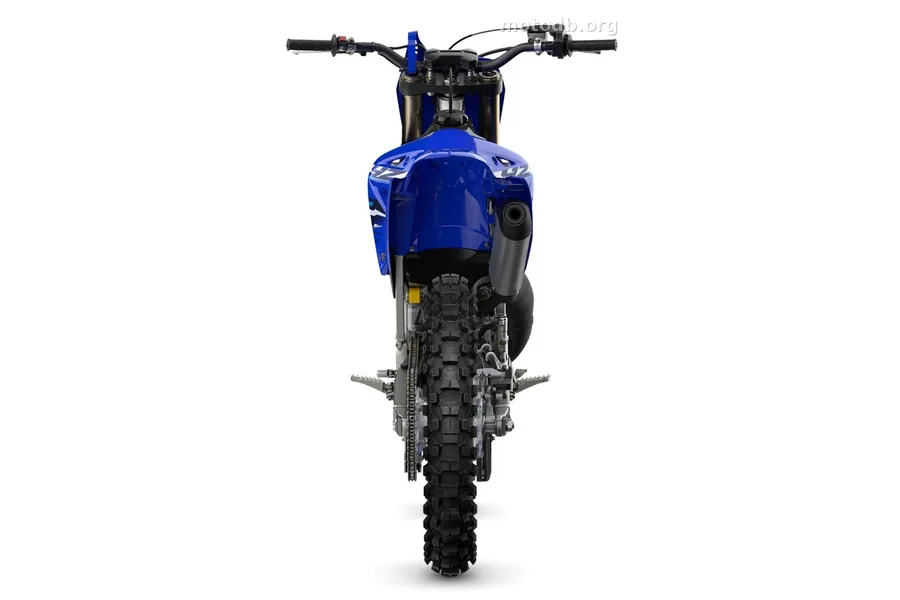
So, who is this YZ125 for? Clearly for the demanding track rider, the young competitor, or the informed enthusiast looking for a pure sensation, without electronic trickery. It is not homologated for the road, and that’s a good thing, as it preserves its wild spirit. As for whether the Yamaha YZ125 is automatic, the question elicits a smile: here, riding is a constant dialogue between the left hand on the clutch and the foot on the gear selector. A school of rigor. If you come across an opportunity, be wary of prices that are too tempting. The value of a 1993 Yamaha YZ125, for example, varies enormously with its condition and history. Count generally around $2700 for a specimen in good condition, which remains an investment for such a technical machine. Today, with recent models flirting with 9000 euros, this 2013 generation represents an excellent performance/price compromise for those who want to taste the very essence of motocross.
Reviews & comments
No reviews yet. Be the first to share your opinion!